
Pictures of Nawabs of Bahawalpur
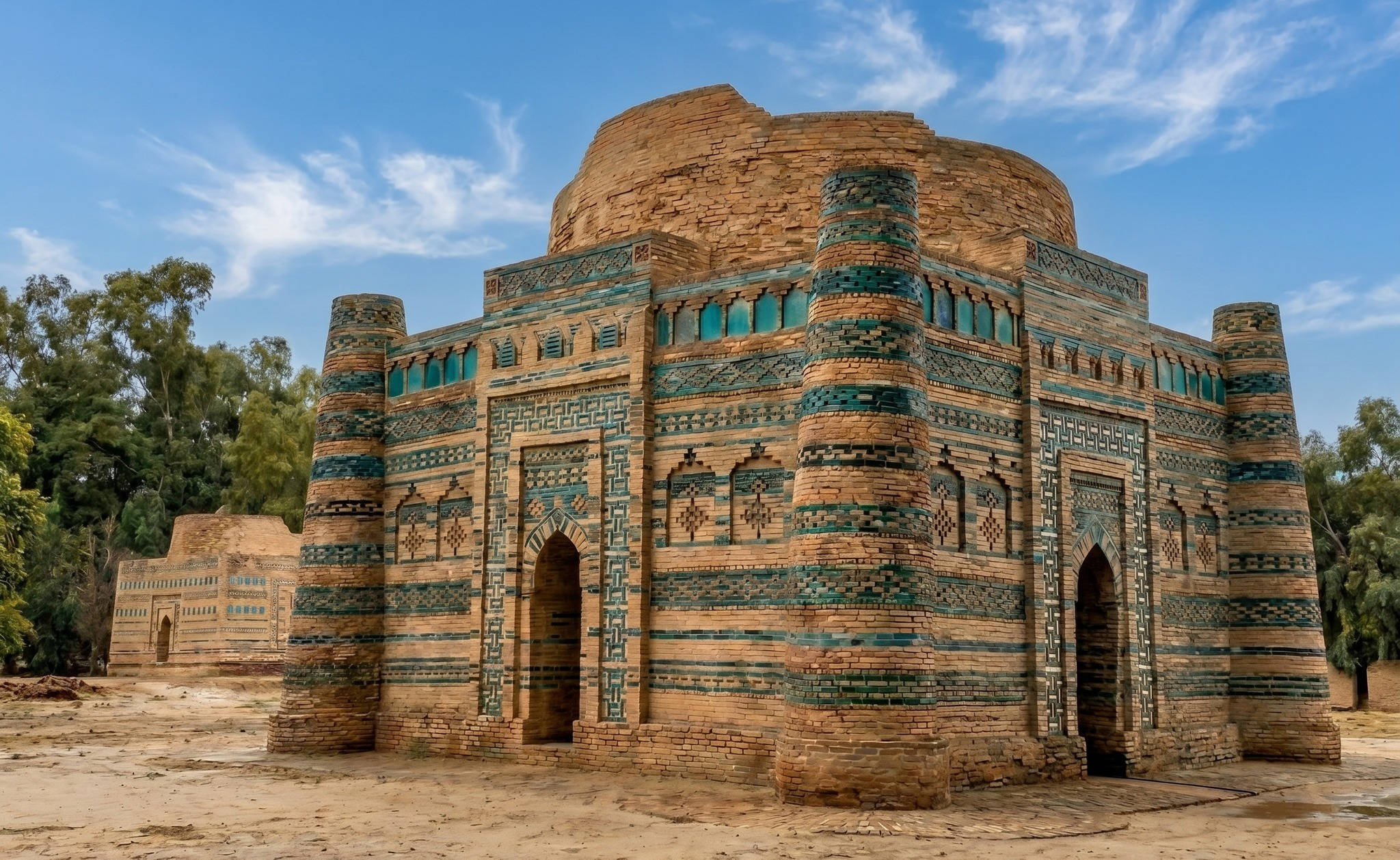
Bahawalpur is a popular city in the south Punjab. It has been cradle of the state of Bahawalpur ruled by the Abbasi Nawabs. The present city is a modern well planned city in Pakistan. It is the starting point to all adventures in the desert of Cholistan and in the rivers of Punjab.
History of Bahawapur.
The State of Bahawalpur was a princely state of the Punjab in what is now Pakistan, stretching along the southern bank of the Sutlej and Indus Rivers, with its capital city at Bahawalpur. The state was counted amongst the Punjab states rather than the neighboring Rajputana states (now Rajasthan) to the southeast. After two centuries of varying degrees of independence, the state became part of Pakistan in 1947. In 1941, the state had a population of 1,341,209 living in an area of 45,911 km² (17,494 sq mi). It was divided into three districts: Bahawalpur, Rahim yar Khan and Bahawalnagar.
The founder of the state of Bahawalpur was Nawab Bahawal Khan Abbasi I (pictures of Nawabs of Bahawalpur). The Abbasi family ruled over the State for more than 200 years (1748 to 1954). During the rule of the last Nawab Sir Sadiq Muhammad Khan Abbasi V, Bahawalpur State was merged with Pakistan in 1954. Bahawalpur was formerly the capital of the state and now is the District and Divisional Headquarters of Bahawalpur Division. It is an important marketing centre for the surrounding areas and is located on the crossroads between Peshawar, Lahore, Quetta and Karachi. Saraiki is the local language of the area. Urdu, Punjabi and English are also spoken and understood by most of the people.
Postage stamps of Bahawalpur
Bahawalpur used the postage stamps of British India until 1945. On 1st January 1945, it issued its own stamps, for official use only, a set of pictorials inscribed entirely in Arabic script.
On 1st December 1947 the state issued its first regular stamp, a commemorative stamp for the 200th anniversary of the ruling family, depicting Mohammad Bahawal Khan I, and inscribed "BAHAWALPUR". A series of 14 values appeared 1st April 1948, depicting various Nawabs and buildings. A handful of additional commemoratives ended with an October 1949 issue commemorating the 75th anniversary of the Universal Postal Union. After this the state adopted Pakistani stamps for all uses.
Rulers of Bahawalpur
The rulers of Bahawalpur took the title of Amir until 1740, when the title changed to Nawab Amir. Although the title was abolished in 1955, the current head of the House of Bahawalpur (Salar ud-din Muhammad Khan) uses the title informally. From 1942, the Nawabs were assisted by Prime Ministers.
| Tenure | Nawab Amir of Bahawalpur |
|---|---|
| 1690 - 1702 | Bahadur Khan II |
| 1702 - 1723 | Mobarak Khan I |
| 1723 - 11th April 1746 | Sadeq Mohammad Khan I |
| 11th April 1746 - 12th June 1750 | Mohammad Bahawal Khan I |
| 12th June 1750 - 4th June 1772 | Mobarak Khan II |
| 4th June 1772 - 13th August 1809 | Mohammad Bahawal Khan II |
| 13th August 1809 - 17th April 1826 | Sadeq Mohammad Khan II |
| 17th April 1826 - 19th October 1852 | Mohammad Bahawal Khan III |
| 19th October 1852 - 20th February 1853 | Sadeq Mohammad Khan III |
| 20th February 1853 - 3rd October 1858 | Fath Mohammad Khan |
| 3rd October 1858 - 25th March 1866 | Mohammad Bahawal Khan IV |
| 25th March 1866 - 14th February 1899 | Sadeq Mohammad Khan IV |
| 14th February 1899 - 15th February 1907 | Mohammad Bahawal Khan V |
| 15th February 1907 - 14th October 1955 | Sadeq Mohammad Khan V |
| 14th October 1955 | State of Bahawalpur abolished |
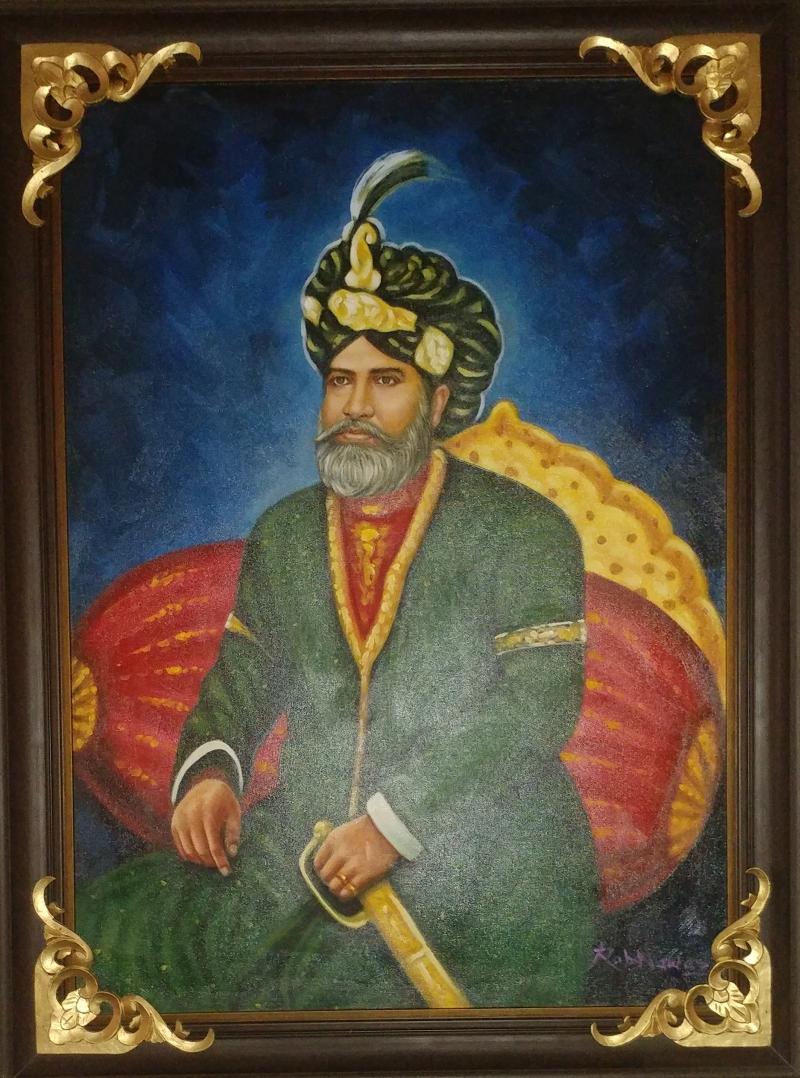
NAWAB SADIQ MUHAMMAD KHAN ABBASI-I 1723-1746
Enthroned in 1723 as head of Abbasid family, Nawab Sadiq Muhammad Khan Abbasi-i established himself on the banks of River Indus near Dera Ghazi Khan, after being evicted from Shikarpur by Kalhora cousins. He was granted area of Chaudan (modern day Liaqatpur) in 1727 by Governor of Multan on recommendation of Makhdooms of Uch Sharif; thus laying foundation of Bahawalpur State. Both the state and family prospered during his rule and saw a considerable increase[he area'^th 'ncl“s^ of Shehr Farid (modern day Chishtian) awarded by Governor of Multan, Derawar Fort (wrested from jaisalmir), Shikarpur, Larkana and Sehwastan (awarded by Nadir Shah). Nawab Sadiq Muhamamd Khan Abbasi-I died in 1746, during a battle with Kalhoras, near Shikarpur and was buried in Stewart Ganj near Shikarpur

NAWAB MUHAMMAD BAHAWAL KHAN ABBASi I 1746-1749//
Nawab Muhammad Sahawa! khan Abbas - ascended to the throve, after death of
Nawab Sadiq Khan in 1746 Oath was taken by Rawa’ fcai Stngh of J*«alm»r In 1747,
however, the state expanded wth add ^o-n or Adam Wa-han Lodh; gram** lease by
Governor of Multan in 1?4S m the same year stature o* a smai; ct, Sed~ci» .■' -
<• *a . r' •!
Bahawalpuf Vai cshes jnoud^ng Hasilpur. Qaimpur a*->d Tranda Al* Mured star-e
■>?
to thts flourishing cfty Constructor, c* Sahawai wah ano Knar Wah carta's staled
d<„-•• Haw .id. v*,. ■ * .>■■ -v
k; .. • A.v, • dred m 1749 and was bu <ed >n Sash Maioofc. g a*eya '
NAWAB MUBARAK KHAN ABBASI P? 1749-1772
With no male heir in progeny of Nawab Muhammad Bahawal Khan Abbasi-I, his younger brother, Nawab Mubarak Khan 4, Abbasi became his successor. The civic infrastructure flourished during his rule. Number of canals were constructed which irrigated large swathes of Bahawalpur, bringing prosperity in the region. Derawar Fort was retaken from Jaisalmer, Fort Marot, Fort Anupgarh, Fort Walhar and Fort Wingrot were added during this time, while construction and repair of other forts, such as Phulra, Dingarh and Mubarakpur was also commissioned. State of Bahawalpur expanded towards east of River Sutlej with inclusion of Mailsi, Dunyapur and Pakpattan and later some parts of Muzaffargarh were also annexed. Cities of Kot Sabzal, Ahmedpur East, Mubarikpur and Mad Manthar were also established during the rule. Nawab Mubarak Khan Abbasi died on 5 June 1772 and was laid to rest besides his brother in Basti Malook graveyard
NAWAB MUHAMMAD BAHAWAL KHAN ABBASI-II ^ pr 1772-1809
Nawab Mubarak Khan. Abbasi was nephew., .affar <nan took over the
r_e n 1772 arc *as rted Na*=D V_-=—.rvd 3a2*"*3 *r sr AbbasM \awab Muha~md Ba^awa!
<*>an ADbas:-lfs Bahatwalpur further exparced with nousion of Khasrptir,
Ahmedpur East and Kutabwah Cana! Dir ~g - s rea southern parts of Muzaffargarh
District comprising Alipur. Shahr Suftarv Srtpur and Khairpur *ere rece ved ^rcrr
V^v-doc-s of Sitp~r. Fort Wrnjhrot was renovated and excarrcec a~ e :r- -g for
Fort Khartgarh started Sikhs were expand ~g treir bou^cahes fn P^r-ar ~ e East a
Cc^za-, had aiso secured ' footTKHC - the sub-cor.~nent- Faced with a ptetnora
of threats, a treaty was s':gred w th Esst fndia Cor'par, to guard tne state of
Sahawa P-' aga'-ist poss7b*e aavaices of Maharaja Ra~ eet Sirgr \Si\3C Vu’f^ammad
Bahawal Khar Abbasi died in 1S09 3^c
I ‘-k.joiari if' ■Vi'-»JL'=r Pnrr
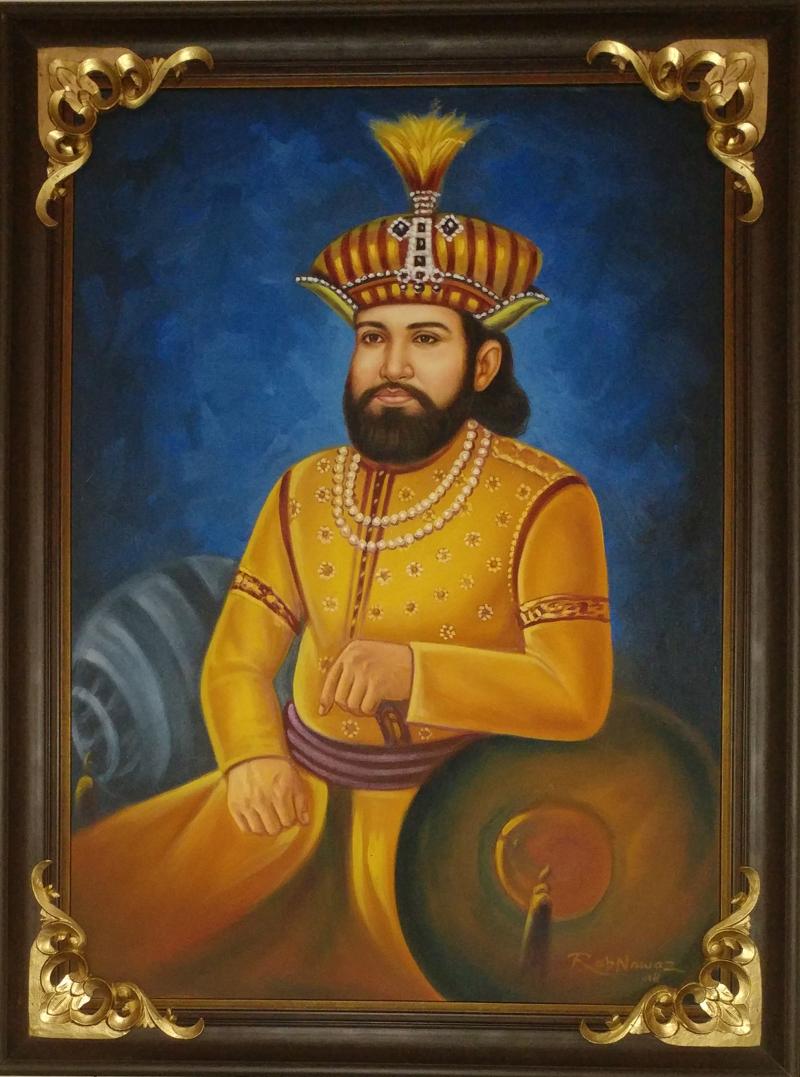
NAWAB SADIQ MUHAMMAD KHAN ABBASHI II 1809-1825
ST Succeeding Nawab Bahawal Khan Abbasi-ll after his demise, his son Sahibzada Abdullah Khan, titled Nawab Sadiq ^ Muhammad Khan Abbasi-ll ruled Bahawalpur. With unrest and political instability rising in the sub-continent at that time, he had to deal with internal intrigues and assaults from Sindh. Shah Shuja of Kabul faced defeat in Kabul and found sanctuary in Bahawalpur. Nawab Sadiq Muhammad Khan Abbasi-ll went on to aide Shah Shuja in capturing Dera Ghazi Khan. Shah Shuja on his return to Kabul after few years, installed his vicegerent in Dera Ghazi Khan. Maharaja Ranjeet Singh attacked and took over Dera Ghazi Khan in 1819 and granted it's accession to state of Bahawalpur for Rs 250000.00 per annum in return. Nawab Sadiq Muhammad Khan Ababsi-ll is known for his system of governance, establishing various departments to run the state affairs. Nawab Sadiq Muhammad Khan Abbasi-ll died in 1825
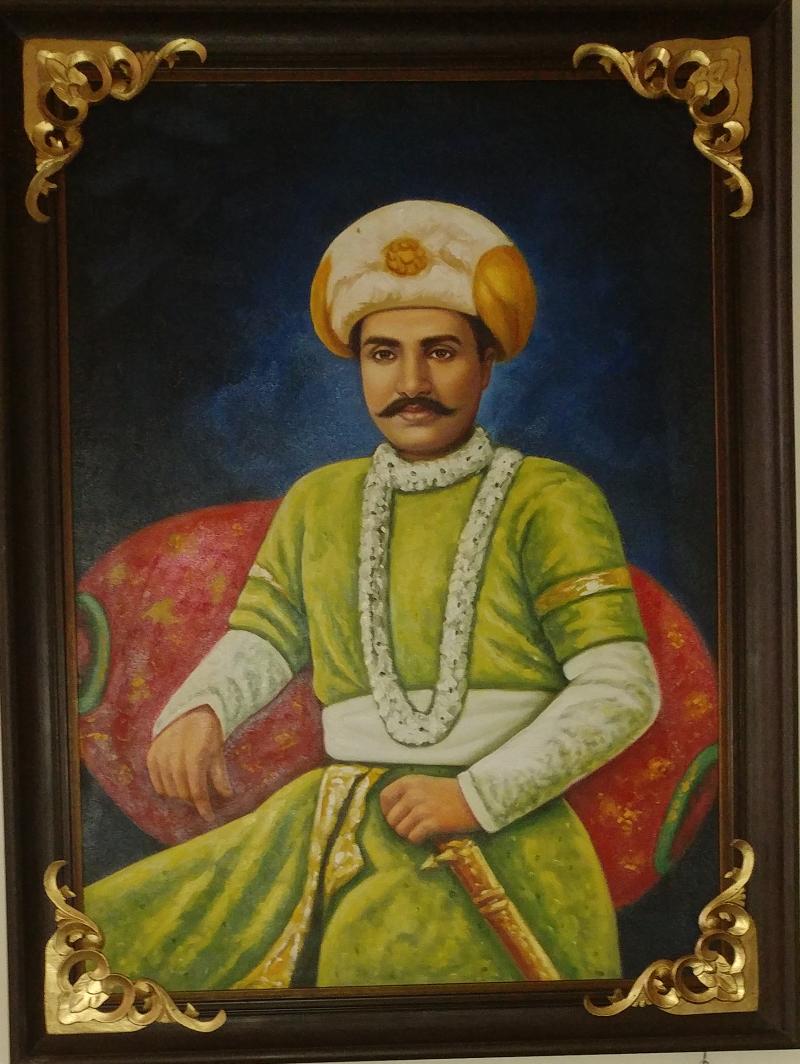
NAWAB MUHAMMAD BAHAWAL KHAN ABBASI-III 1826-1852
After the demise of Nawab Sadiq Muhammad Khan Abbasl Ill, his son Sahibzada Rahim Yar Khan Abbasi, adorning the title«> Nawab Muhammad Bahawal Khan Abbasi-lll, took over the realm. Nawab Muhammad Bahawal Khan Abbasi-lll ceased the payment of annual tax for Dera Gha/I Khan. Furious Raja Ranjeet Singh sent an Army to destroy Bahawalpur state. Nawab solicited support of East India Company to invoke it's intervention, fi sixteen point agreement between Nawab Muhammad Bahawal Khan Abbasi-lll and East India Company was concluded In 1833, thus preventing Bahawalpur state from falling to Sikhs Kot Sabzal, Bhara and Bhung were added to the territory. Under Nawab Muhammad Bahawal Khan Abbasi-lll, a proper system of provost was also set up to prevent crimes. Nawab Bahawal Khan Abbasi-lll died on 19 October 1952 at Derawar
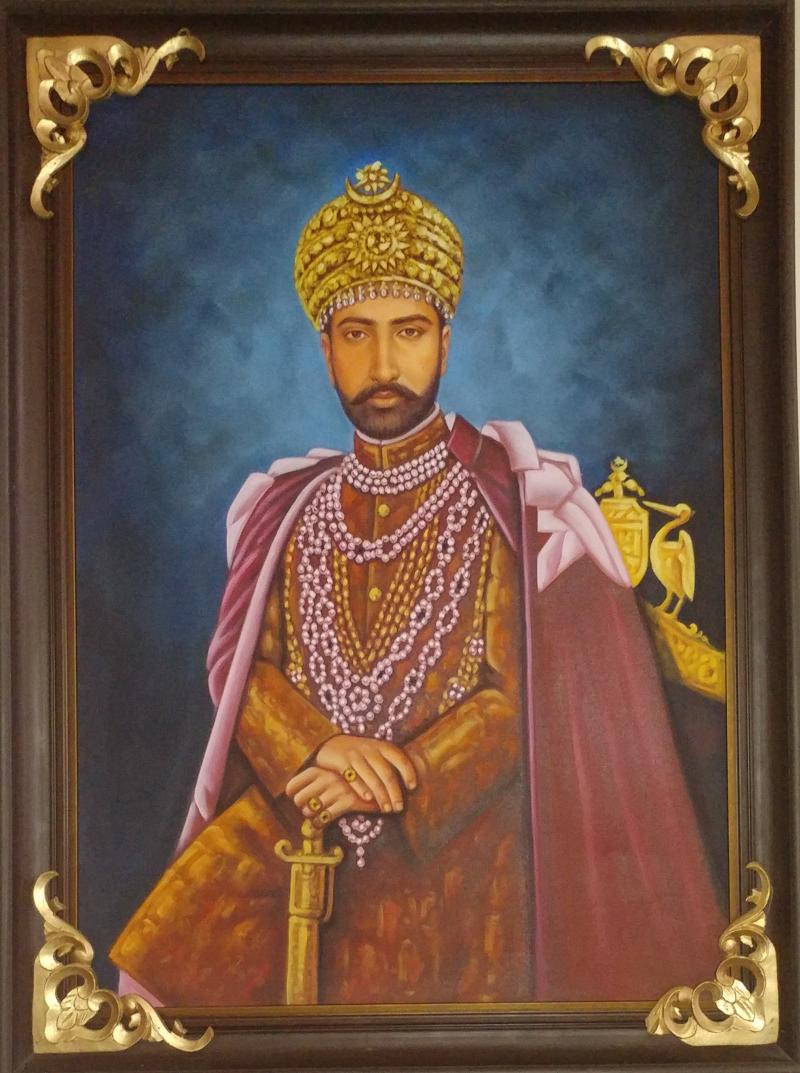
NAWAB MUHAMAMD BAHAWAL KHAN ABBASI-IV P? -1858-1866
Sahibzada Rahim Yar Khan Abbasi titled Nawab Muhammad Bahawal Khan Abbasi-IV succeeded Nawab Fateh Khan Abbasi ^ in 1858. The turbulent eight years of his rule were marked by great discord, upheavals and internal mutinies, which he managed to muddle through. Nawab Muhammad Bahawal Khan Abbasi-IV was poisoned by a maid in 1866
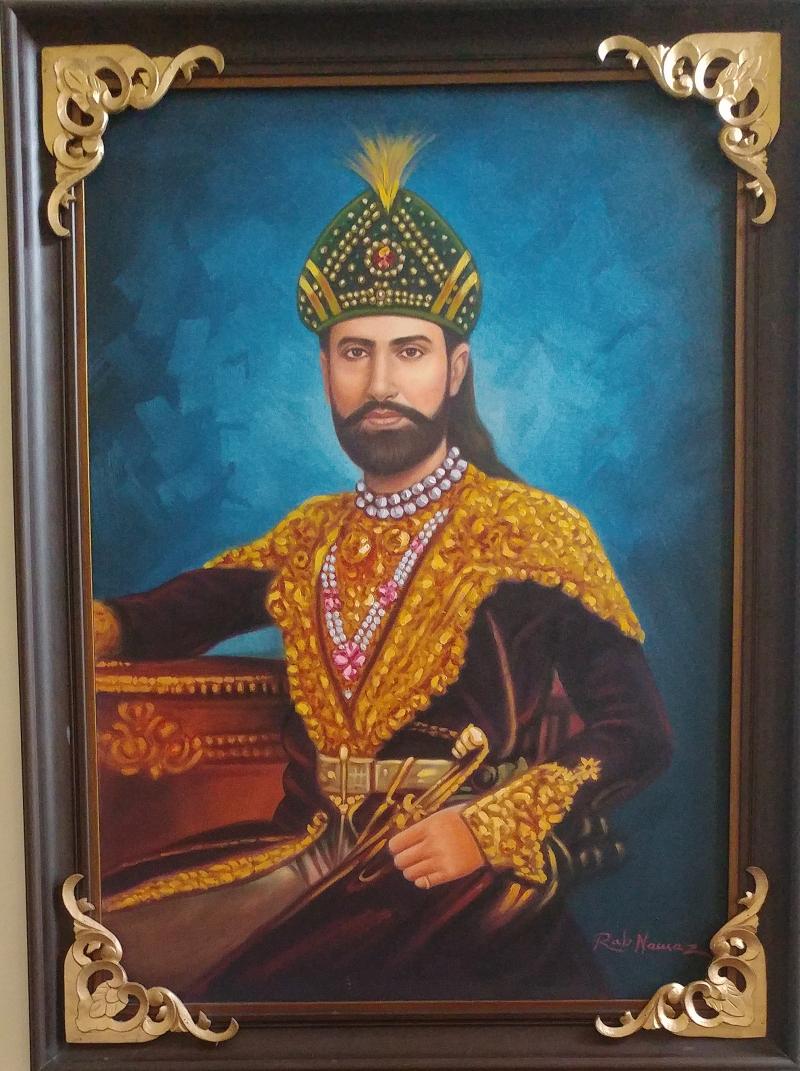
NAWAB FATEH KHAN ABBASI 1853-1858
Sahibzada Haji Khan Abbasi titled Nawab Fateh Khan Abbasi succeeded his brother in 1853. Nawab Fateh Khan Abbasi treated the deposed Nawab well and gave him a choice of settling in Lahore or Jallundar with pension of Rs 1600 from the state treasury, which he accepted with the addition to move alongwith his mother and brothers. Nawab Fateh Khan Abbasi, inter alia, improved the connectivity between Bahawalpur and Kot Sabzal. During his rule, 1857 war of independence began, five hundred foot soldiers and five hundred riders were sent to support East India Company for various missions. He was awarded the protocol status of Amir of Bahawalpur in 1855. Nawab Fateh Khan Abbasi also defeated number of internal conspiracies. He died of illness on 3 October 1858
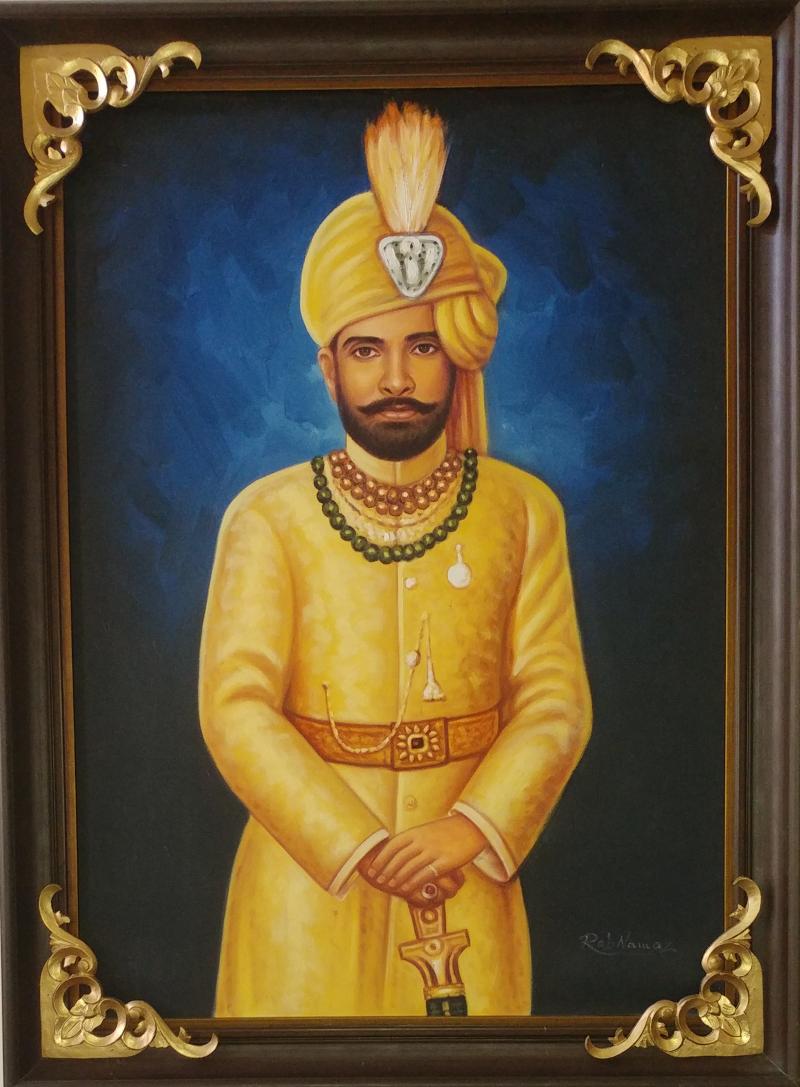
NAWAB SADIQ MUHAMMAD KHAN ABBASI III 1852-1853
Sahibzada Saadat Yar Khan Abbasi, titled Nawab Sadiq Muhammad Khan Abbasi-lll,
instead of Haji Khan Abbasi, was selected as next ru*er in 1850. Soon after
assuming the title, he placed Haji Khan Abbasi and his other brothers under
confinement. More so, a shuffle in major appointments and forced resignation of
many officers were made. As a result, a discontentment arose amongst other
Daudpotras and government officials. Haji Khan escaped from the confinement and
organized an Army which soon defeated Nawab Sadiq Khan Abbasi-lll and imprisoned
him in Derawar fort
Travel & Culture Services Pakistan
220A Panorama center Fatima Jinnah Road KarachiEmail : Click Here To contact us.
| Home | Pakistan Tours | MICE Conferences & Incentives | Hotels | Airfares | Islamabad | Karachi | Lahore | Peshawar | Quetta |
| Sibi | Faisalabad | Multan | Hyderabad | Sukkur | Hunza | Gilgit | Baltistan | Chitral | Swat | Karakorum Highway |
History of Pakistan | Archeology | Weather | Security | Contact Information |

Advertisement
Advertise on this site click for advertising rates