
 Pakistan
- Taxila
Pakistan
- Taxila
A land of Greatest Mountains & Colorful Culture - A Complete Guide to
Pakistan
 Basic Info History Climate
Places to Visit Slide Show Search Tours
Basic Info History Climate
Places to Visit Slide Show Search Tours
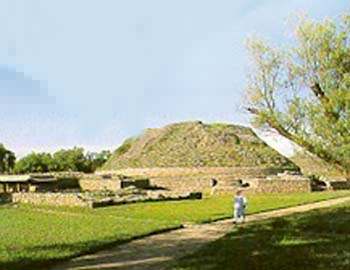 Taxila is the most important Buddhist sites in Pakistan housing
about 50 archeological remains from the 2nd century BC to 6th century AD. Taxila
was discovered in 1911 - 1922 by Sir Joh Marshal who has been regarded as the
discoverer of many other archeological sites including the Indus Civilization's
Moen Jo Daro & Harrappa.
Taxila is the most important Buddhist sites in Pakistan housing
about 50 archeological remains from the 2nd century BC to 6th century AD. Taxila
was discovered in 1911 - 1922 by Sir Joh Marshal who has been regarded as the
discoverer of many other archeological sites including the Indus Civilization's
Moen Jo Daro & Harrappa.
Take a Tour of Taxila from Islamabad
Taxila is situated 40 Kilometers away from Islamabad and Rawalpindi. As one drives to Peshawar on grand Trunk road just after Margala pass there is a sign of Taxila Remains on the right.
The archeological sites of Taxila include buildings and Buddhist Stupas from 5th century to 6th century AD. The main ruins of Taxila are divided into three major cities, each belonging to a distinct time period.
The oldest of these is the Hathial area, which yielded surface shards similar to burnished red wares (or 'soapy red wares') recovered from early phases at Charsadda, and may date between the 6th century BCE and the late 2nd millennium BCE. Bhir Mound dates from the 6th century BCE. The second city of Taxila is located at Sirkap and was built by Greco-Bactrian kings in the 2nd century BCE. The third and last city of Taxila is at Sirsukh and relates to the Kushan kings.
In addition to the ruins of the city, a number of Buddhist monasteries and stupas also belong to the Taxila area. Some of the important ruins of this category include the ruins of the stupa at Dharmarajika, the monastery at Jaulian, the monastery at Mohra Muradu in addition to a number of Stupas.
How to tour Taxila
Taxila can be visited as an excursion from Islamabad or can be seen enroute to Peshawar or to Besham either way it is best to see the archeological remains of Sirkap and Julian first which are the most important one. Sirkap is the citadal of the city and was a planned city having multicultural people living in it. When you visit Sirkap you can see the interesting style of masonry from Kashan period to the last period of 6th century when the city was destroyed by the while Huns. You will also see some well marked structures which include temples markets and halls the most important of them is the double headed eagle's temple which was a memorial to celebrate all the groups of cultures living in the city.
Julian is a 300 meters easy climb you will see a well preserved monastery and the main Stupa beautifully decorated with the statues of Buddha and other deities. THe local guide will explain all the important aspects of the monastery and Stupa. Julian was the place where Sanskirat script was invented and it was a well known college in its times (2nd to 6th century AD)
After visiting Julian & Sirkap it will be best to see the museum which is well organized and houses some of the most important
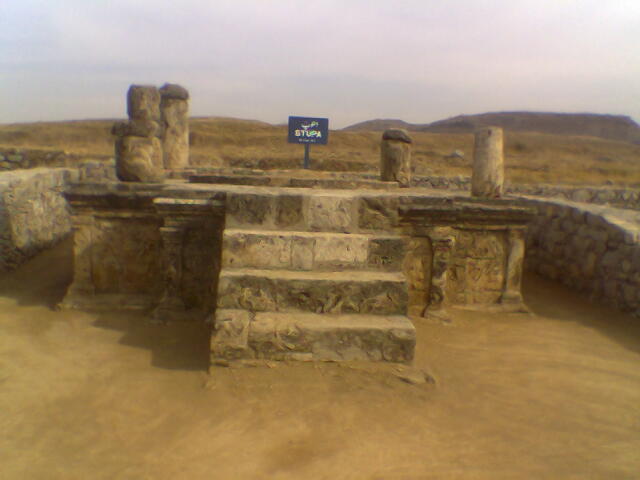
Jain Temple in Taxila
SITUATION OF T AKSH AS IL A (TAX I LA) ON THREE GREAT . TRADE-ROUTES (By Sir John Marshal)
THE city of Takshasila or Taxila, as it has more familiarly been known to Europeans ever since Alexander the Great's invasion of India, was situated at the head of the Sind Sagar Doab between' the Indus and Jhelum rivers and in the shadow of the Murree hills where they die down into the western plain. To be more precise it was a little over 20 miles north-west of the modern city of Rawalpindi and close beside the railway junction of Taxila, where the main line of the North-Western Railway is joined by a branch line from Havelian in the Haripur valley. Here also, in ancient days, was the meeting-place of three great trade-routes: one, from Hindustan and Eastern India, which was to become the ‘ royal highway' described by Megasthenes as running from Pataliputra to the north-west of the Mauria empire; the second from Western Asia through Bactria, KapisI and Pushkalavati and so across the Indus at Ohind to Taxila; and the third from Kashmir and Central Asia by way of the Srlnagar valley and Baramula to Mansehra and so down the Haripur valley.
These three trade-routes, which carried the bulk of the traffic passing by land between India and Central and Western Asia, played an all-important part in the history of Taxila, for it was mainly to them that the city owed its initial existence as well as its subsequent prosperity and greatness; and it was due to their diversion or decline, when trade contacts with foreign countries were interrupted, that Taxila sank eventually into insignificance.
SIGNIFICANCE OF TRADE-ROUTES FOR EARLY HISTORY OF TAXILA
This matter of trade-routes has an intimate bearing on the question of the date of Taxila's foundation. In the prehistoric days of the Indus civilisation, before roads and vehicular traffic had been developed, the urban population of the Panjab was almost wholly dependent for its transport and communication on the navigable rivers, which flow generally in a direction from north-east to south-west, and it was only on the banks of those rivers that human settlements of any considerable size could be
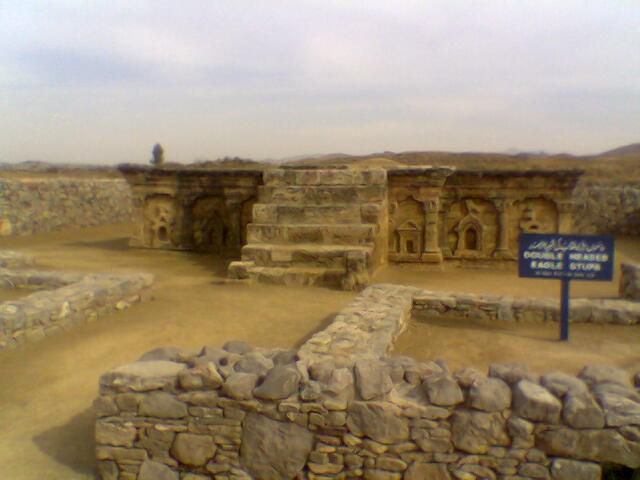
Double Headed Eagle's temple Taxila
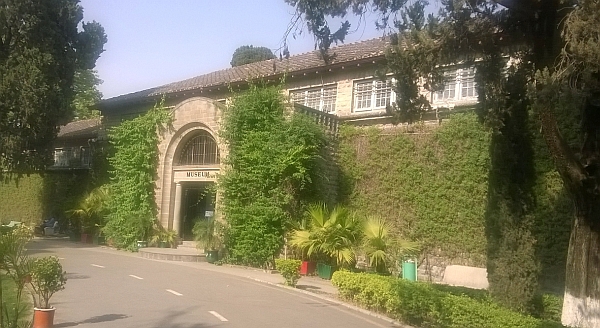
Taxila Museum
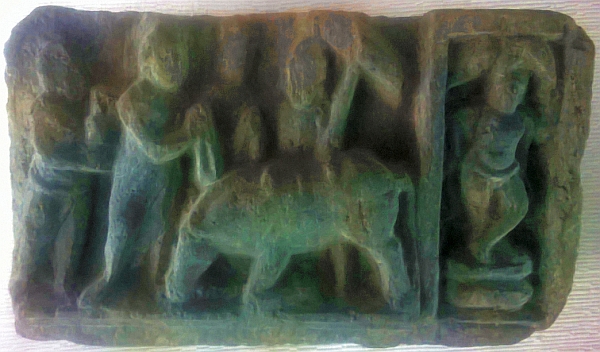
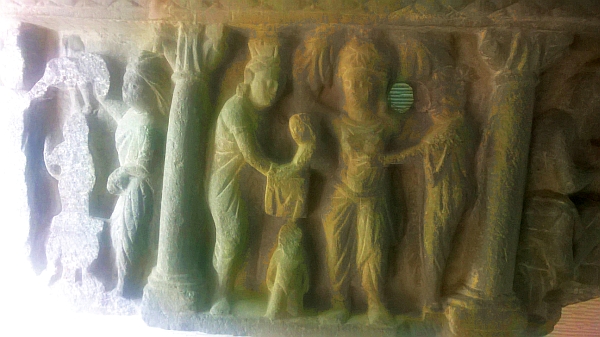
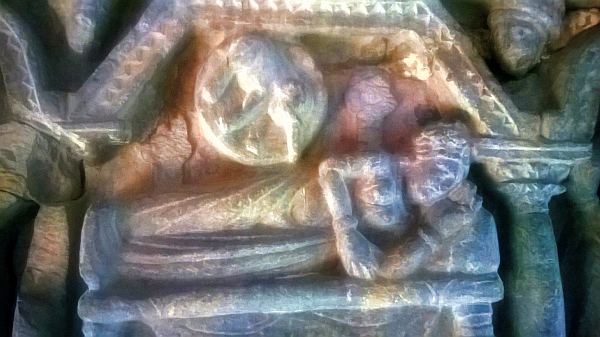
Taxila Museum is one of the oldest museums in Pakistan it has some of the most valuable Buddhist relics and statues from 2nd century BC to 6th century AD. The articles that are displayed are very high value and present the master craftsmanship of the Gandhara art.
Taxila Tour | Gandhara Art Exhibition in New York | Loosar Baoli Wah | Pakistan Gandhara Sites Tour
Travel & Culture Services Pakistan
| Home | Tours | Conferences & Incentives | Hotels | Islamabad | Karachi | Lahore | Peshawar| Quetta | Multan | Hyderabad | Hunza | Gilgit | Chitral | Swat | Karakorum Highway | History | Archeology | Weather | Security | Contact Information |

Advertisement
Advertise on this site click for advertising rates