
Lal Mahra Tombs – Ancient Islamic Heritage of Dera Ismail Khan
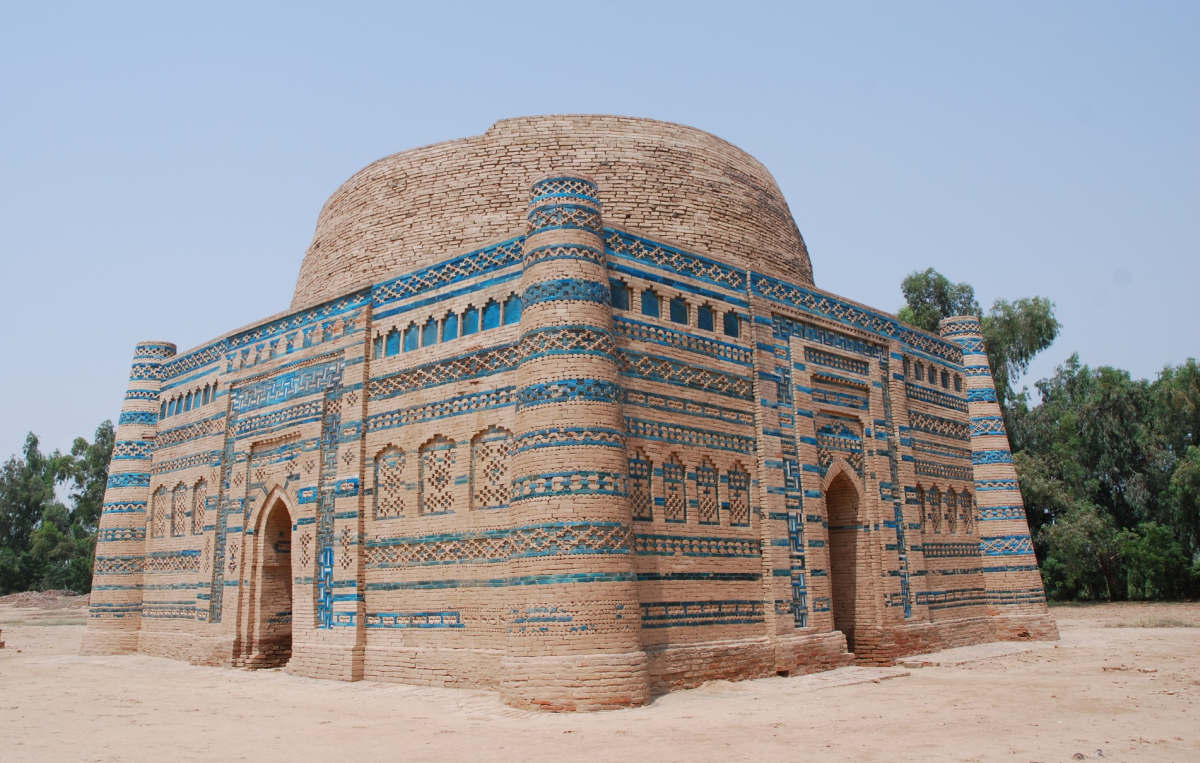
The Lal Mahra Tombs, also known as the Unknown Tombs of Lala Mara Sharif, represent one of the most important early Islamic architectural heritage sites in Dera Ismail Khan, Khyber Pakhtunkhwa. Located east of the city near the village of Proa, the site is locally referred to as “Andira” or “Udhaira,” possibly due to its ancient and weathered appearance.
This historic complex dates from approximately the 13th to early 14th century, although earlier traditions associate the wider graveyard area with the 11th and 12th centuries during the Ghaznavid and early Ghurid periods. The site reflects the architectural traditions that flourished under the influence of the Ghaznavid and Ghurid dynasties, whose cultural centers included Multan and Uch Sharif.
Location and Setting
The Lal Mahra Tomb Complex is located about 24 miles from the villages of Proa and Muhra near Dera Ismail Khan. The broader area, known locally as Andira, is a vast graveyard containing both historic and contemporary graves. The complex stands as a silent reminder of the region’s deep historical and spiritual roots.
Architectural Features
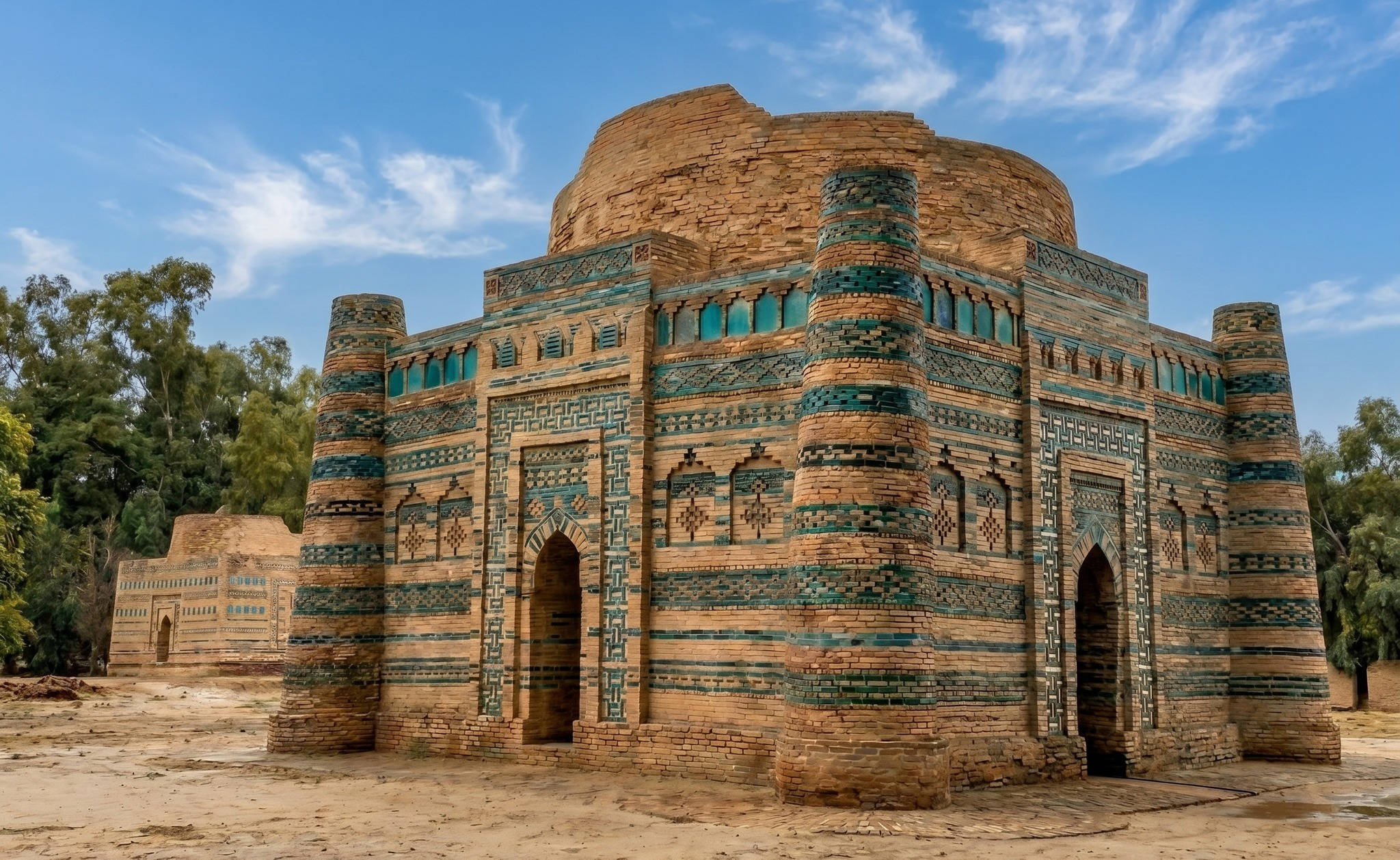
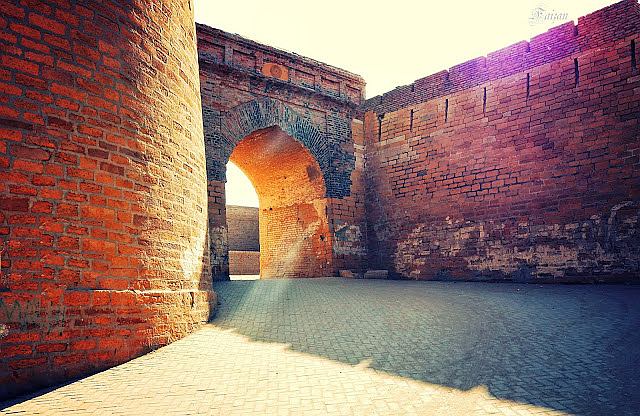
The tomb complex consists of four principal monumental tombs (Tombs A, B, C, and D), square in plan and constructed primarily of brick masonry with glazed tile decoration.
- Square layout with dome structures.
- Inward sloping circular towers at each corner (especially in Tombs 1 and 2), enhancing stability and grandeur.
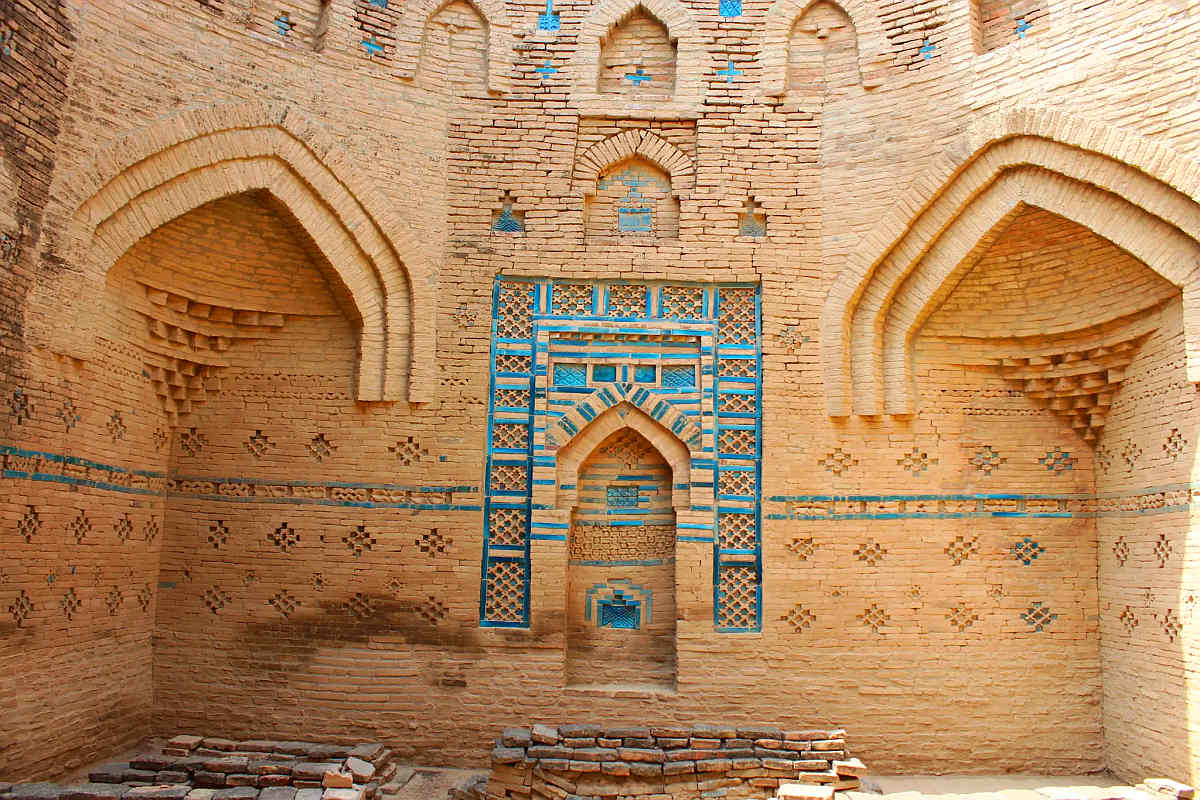
- Arched entrances on three sides; the western wall contains a mihrab.
- Projecting mihrabs in Tombs 1 and 2 extending outward from the western wall.
- Main eastern entrance more ornate than other sides.
- Decorative rectangular frames around arched openings.
- Use of plain X-shaped brick patterns and glazed square terracotta plugs.
- Wooden wall plates in Tomb 1 (except the qibla wall) to prevent settlement.
- Corner strengthening beams above squinch arches.
- Transitional squinch arches using tetrahedron brick arrangements formed by overlapping brick courses.
- Decorative friezes and horizontal ornamental bands.
The construction technique is distinctive and sophisticated, reflecting advanced engineering knowledge for its time. The use of squinch arches as transitional elements between square base and dome is particularly significant in early Islamic architecture of the region.
Historical and Cultural Importance
According to local traditions, when Baloch tribes settled in the Dera Jat region, this cemetery developed as an important burial ground. The tombs are believed to belong to Sufi saints, military commanders, or respected spiritual figures, which is why the site is sometimes referred to as Lal Mahra Sharif.
The site holds great importance in understanding the early cultural history of Dera Ismail Khan, following earlier civilizations such as Rehman Dheri and other historic settlements in the region. It also demonstrates the blend of cultural influences in Dera Ismail Khan, where Hindu, Muslim, and other traditions have coexisted for centuries.
Conservation Concerns
Unfortunately, many of these historic tombs are in deteriorating condition. Exposure to rain, natural erosion, and lack of conservation efforts have caused visible damage. Several structures have partially collapsed, reinforcing the local name “Andira,” meaning dark or ruined.
Immediate restoration and preservation measures are necessary to protect this nearly 700-year-old heritage site. Both the government and local community must work together to ensure that these monuments survive for future generations.
The Lal Mahra Tombs stand today not only as architectural treasures but also as witnesses to centuries of spiritual, cultural, and historical continuity in Dera Ismail Khan.

Advertisement
Advertise on this site click for advertising rates