
Hazrat Mian Mir – A Saint Revered by Muslims and Sikhs
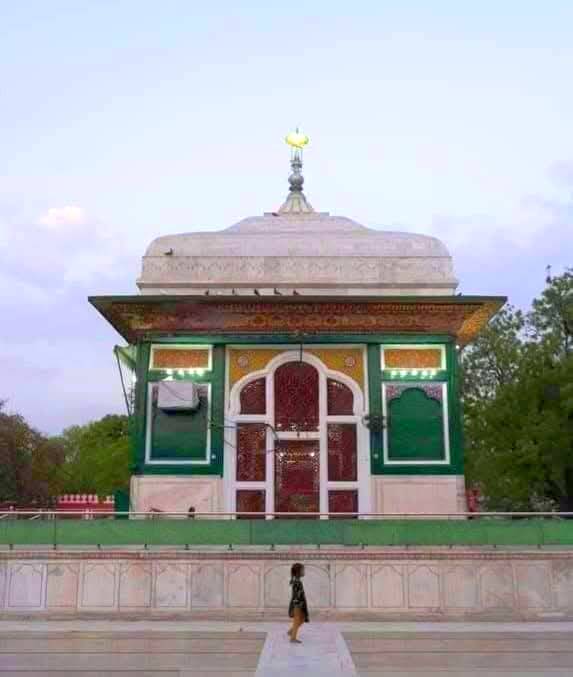
Lahore is home to the shrine of Ali Hujwiri, popularly known as Data Ganj Bakhsh, but alongside him rests another towering spiritual figure of South Asian history: Hazrat Mian Mir Rahmatullah Alaih. His tomb and shrine in Lahore remain a place of reverence, spirituality, and interfaith harmony.
Hazrat Mian Mir was originally from Sehwan Sharif in Sindh, from where he later migrated to Lahore and spent most of his life. What makes him truly unique is that he is held in equal respect by Muslims and Sikhs, a rare honor in the religious history of the region.
Birth, Lineage, and Early Life
Hazrat Mian Mir was born in 1550 CE (957 Hijri) in the historic city of Sehwan, Sindh. His original name was Mir Muhammad. His father, Qazi Saeen Ditta Farooqi, was a respected scholar and spiritual figure, known throughout Sindh, and traced his lineage to Hazrat Umar Farooq (RA). His mother was a learned and pious woman who played a significant role in his early spiritual education.
Hazrat Mian Mir was associated with the Qadiri Sufi order and later became a disciple of the renowned Sufi master Sheikh Khizr Qadiri (Sheikh Siwastani). He was also the grandson of the famous Sindhi poet Qazi Qadan, a prominent literary figure of the Sama period. Qazi Qadan’s contemporaries included Baba Guru Nanak, Sheikh Fariduddin Ganj Shakar, Bhagat Kabir, Mirabai, and Surdas—an extraordinary era of spiritual and poetic brilliance.
Migration to Lahore and Spiritual Influence
At the age of 25, Hazrat Mian Mir left Sehwan and settled permanently in Lahore. His life of extreme simplicity, piety, and devotion quickly earned him immense respect. Despite his avoidance of power and wealth, even the mighty Mughal emperors held him in deep reverence.
During the reign of Emperor Akbar, Hazrat Mian Mir had already left Sehwan. Emperor Jahangir was deeply devoted to him, while Emperor Shah Jahan frequently visited him personally. Shah Jahan’s eldest son, Dara Shikoh, was particularly influenced by Hazrat Mian Mir’s spiritual teachings and philosophy.
Connection with Sikhism and the Golden Temple
Hazrat Mian Mir’s most remarkable legacy is his connection with Sikh history. The fifth Sikh Guru, Guru Arjan Dev Ji, held immense love and respect for him. In a powerful symbol of interfaith harmony, Guru Arjan Dev invited Hazrat Mian Mir to lay the foundation stone of the Golden Temple (Harmandir Sahib) in Amritsar in the early 17th century.
This historic act made Hazrat Mian Mir one of the few Muslim saints deeply revered within Sikh tradition. To this day, Sikh pilgrims visiting Lahore often pay their respects at his shrine, bowing their heads in devotion.
Poetry, Philosophy, and Legacy
The spiritual philosophy of Hazrat Mian Mir centered on poverty (faqr), humility, and divine love. His teachings echo in famous verses attributed to the Sufi tradition:
“Faqr holds miracles greater than crowns and armies, Faqr is the king of saints and the king of kings.”
Renowned Pakistani journalist and writer Shah Waliullah described Hazrat Mian Mir as Qutb-ul-Aqtab, the spiritual axis of his time, whose influence transcended religious boundaries.
The Shrine of Hazrat Mian Mir Today
The shrine of Hazrat Mian Mir in Lahore remains an important spiritual and historical site. It is currently undergoing renovation and restoration to preserve its heritage for future generations. The shrine stands as a powerful symbol of Lahore’s tradition of tolerance, spirituality, and interfaith harmony.
Travel & Culture Services will be delighted to include the shrine of Hazrat Mian Mir in your Lahore City Tour, allowing visitors to explore this sacred site along with other historic landmarks of the city.
Learn more about our Lahore City Tour

Advertisement
Advertise on this site click for advertising rates