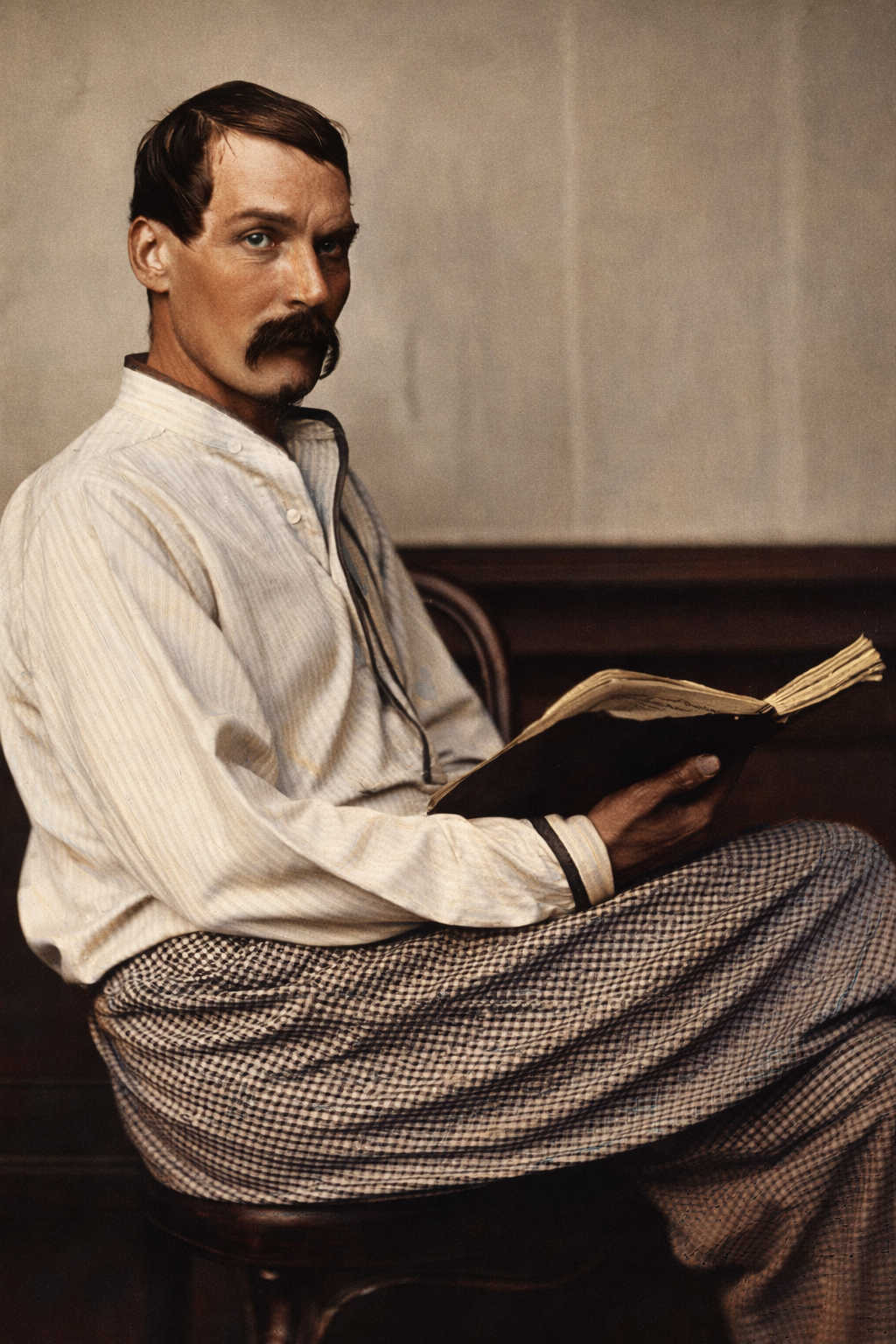
How a British officer’s curiosity about Karachi’s hidden life changed ethnography forever.
When Sir Richard Francis Burton arrived in Karachi in 1845 as a young officer of the British Indian Army, Sindh had just been annexed. The port city was small but cosmopolitan, and Burton—already fluent in Arabic and Persian—set out to study its languages and customs.
Burton’s most infamous document was the “Karachi Brothel Report”, written around 1845–1846. It examined prostitution and sexual practices in the city, including male brothels and cross-dressing performers. His frank descriptions shocked the colonial administration.
“Accidents will happen in the best regulated families… So help me, St. Dennis, I never saw such a tiger!” — Richard Burton, quoted in Gavan Tredoux’s 2016 study
According to historian Gavan Tredoux, Burton’s report may have led to his temporary suspension and later contributed to his reputation as a fearless, if scandalous, ethnographer.
Beyond the controversy, Burton’s Sindh research was groundbreaking. He documented local dialects, tribal customs, and religious practices, producing one of the first systematic studies of Sindhi society. His later book, Sindh and the Races That Inhabit the Valley of the Indus (1851), expanded these observations.
“The Sindhi is a man of many tongues and many gods, yet his hospitality is as boundless as his plains.” — Burton, Sindh and the Races That Inhabit the Valley of the Indus (1851)
Burton’s Karachi and Sindh reports blurred the line between anthropology and adventure. His curiosity about forbidden subjects—language, sexuality, and religion—anticipated modern ethnography. Later, he became famous for translating The Arabian Nights and Kama Sutra, works that continued his lifelong exploration of cultural taboos.
© 2026 Travel & Culture Blog | info@travel-culture.com | WhatsApp: +92 321 2424778
[an error occurred while processing this directive]