
Best Time to Visit Pakistan
Pakistan is a country with diverse temperatures and weather conditions across different regions, specially between the southern plains and the northern mountains. Understanding the seasonal variations is essential for planning a tour of Pakistan.
The northern areas experience dramatic changes throughout the year, while the south remains relatively hot for most months. This guide explores the best times to visit Pakistan by season and region.
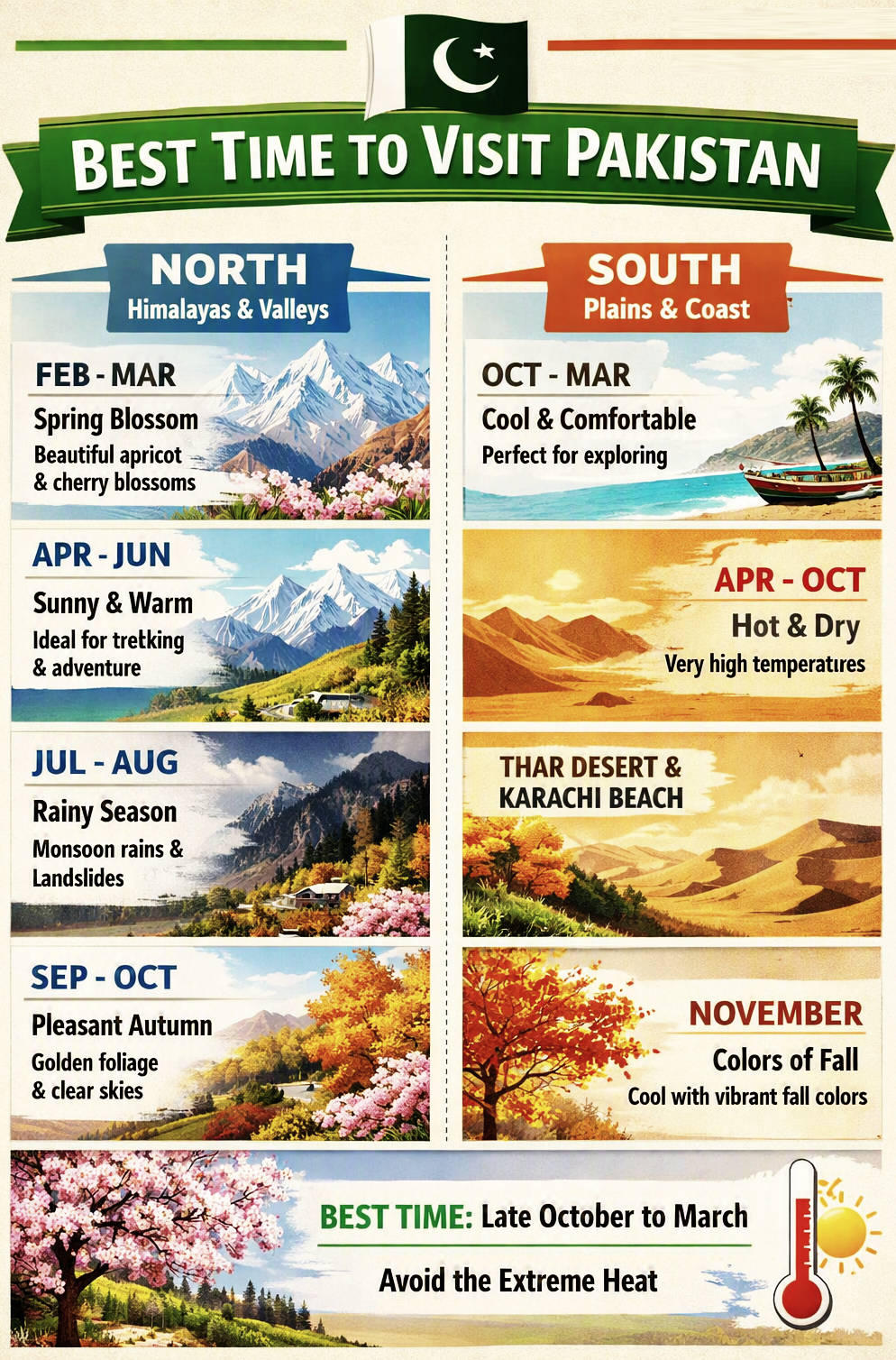
Spring in Northern Pakistan (February – March)
Spring is one of the most enchanting times to visit the northern valleys of Pakistan. From February to March, the landscapes of Hunza, Gilgit, and Skardu burst into life with apricot, cherry, and apple blossoms. The flowering season transforms the valleys into colorful gardens, attracting photographers and nature lovers from around the world.
- Perfect for cultural immersion and village walks.
- Ideal for photography of apricot blossom festivals.
- Moderate temperatures make trekking comfortable.

Early Summer in the North (April – June)
April to June brings warm, sunny days to the northern regions. This is the peak season for trekking, mountaineering, and adventure tourism. The snow begins to melt, opening routes to glaciers, lakes, and high passes. While days are hot, evenings remain pleasant, making it a popular time for both domestic and international travelers.
- Best for trekking to glaciers and alpine lakes.
- Clear skies for mountain views of Nanga Parbat and Rakaposhi.
- Tourist facilities are fully operational during this period.
Monsoon Season (July – August)
July and August mark the monsoon season in Pakistan. While the northern areas receive occasional rainfall, the southern plains and Punjab experience heavier showers. Travel during this time can be challenging due to landslides and road closures in mountainous regions. However, the lush greenery after rain offers a unique charm.
- Expect occasional landslides on Karakoram Highway.
- Valleys appear greener and fresher after rainfall.
- Not recommended for long trekking expeditions.
Autumn in Northern Pakistan (September – October)
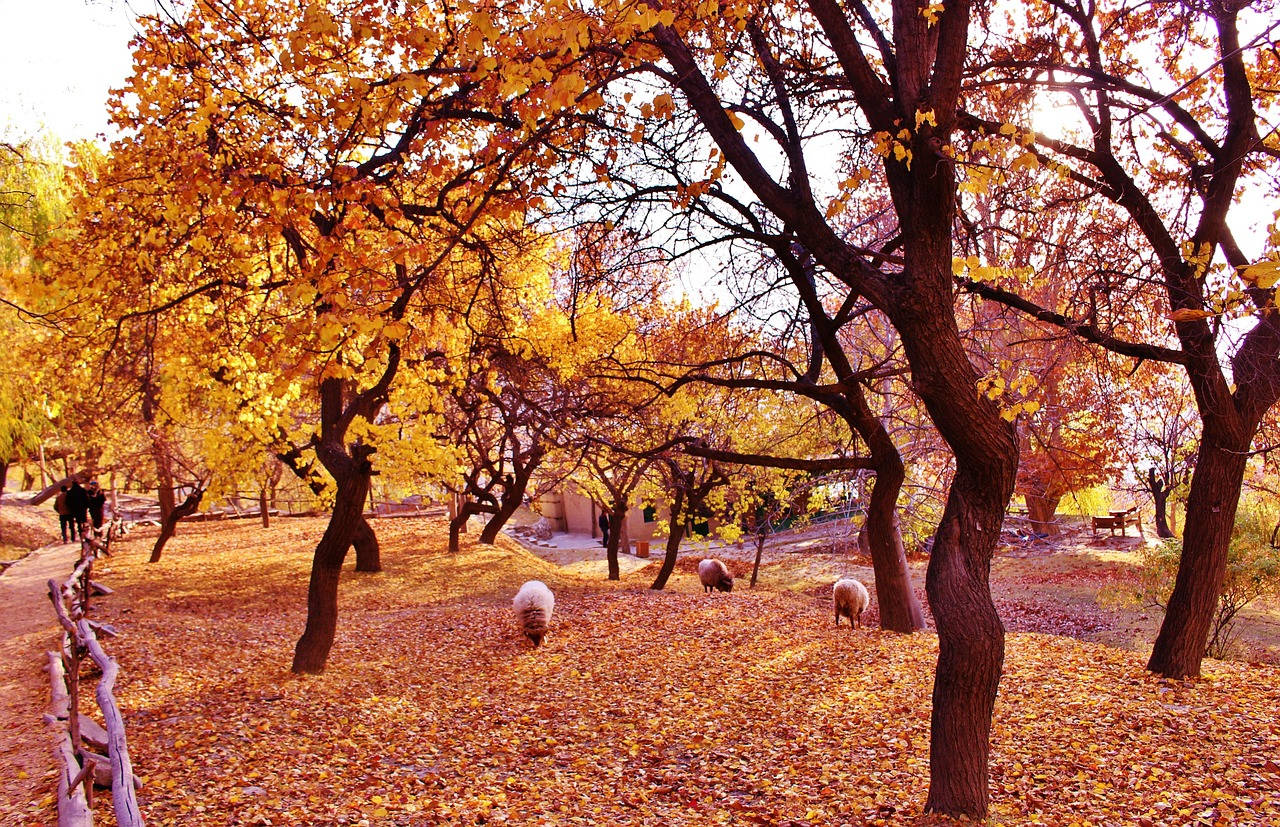
September and October are considered the most pleasant months in the northern regions of Pakistan. The weather is mild, skies are clear, and the valleys are painted with autumn colors. This is the ideal time for cultural festivals, trekking, and sightseeing without the crowds of summer.
- Perfect for photography of autumn foliage in Hunza and Gilgit.
- Comfortable temperatures for trekking and outdoor activities.
- Harvest season brings local fruits such as apples and walnuts.
Late Autumn (November)
November marks the transition into winter in the north. The valleys showcase golden and red hues as trees shed their leaves. This period is quieter, with fewer tourists, making it suitable for those who prefer peaceful travel experiences.
- Best for travelers seeking solitude and scenic landscapes.
- Cooler evenings require warm clothing.
- Local communities prepare for winter, offering authentic cultural experiences.
Winter in Southern Pakistan (November – March)
While the north becomes cold and snow‑covered, the southern regions of Pakistan, including Karachi, Hyderabad, and coastal Sindh, enjoy mild and pleasant weather. This is the best time to explore the south, as temperatures are comfortable and ideal for outdoor activities.
- Perfect season for exploring Karachi’s beaches and cultural sites.
- Suitable for desert tourism in Thar and Cholistan.
- Festivals and events are often scheduled during the cooler months.
Southern Climate (April – October)
From April to October, southern Pakistan experiences hot temperatures, often exceeding 40°C. Travel during this period can be challenging, especially in interior Sindh and Balochistan. Therefore, the recommended time for visiting the south is from late October to March.
- Hot and dry conditions dominate most of the southern plains.
- Not ideal for sightseeing or outdoor exploration.
- Travelers are advised to plan visits during the cooler months.
Frequently Asked Questions
What is the best time to visit Northern Pakistan?
Northern Pakistan is best visited from February to March for spring blossoms, April to June for trekking and sunny days, and September to October for pleasant weather and autumn colors.
When should I avoid traveling to the northern areas?
Avoid traveling in July and August due to monsoon rains and landslides, and in winter months (December to February) when heavy snowfall restricts access.
What is the best time to visit Southern Pakistan?
Southern Pakistan is best visited from late October to March when the weather is mild and pleasant. Summers are extremely hot and less suitable for tourism.
Which season is best for cultural festivals in Pakistan?
Spring and Autumn are the best seasons for cultural festivals, harvest celebrations, and traditional events in northern valleys.
Is Pakistan suitable for year-round travel?
Yes, Pakistan offers year-round travel opportunities, but the ideal regions vary by season. Northern Pakistan is best in spring, summer, and autumn, while Southern Pakistan is best during winter months.

Advertisement
Advertise on this site click for advertising rates