Quick Facts
Duration : 17 Days / 16 Nights
Tour Type : Private Cultural & Adventure Tour
Best Season : May to October
Starts : Islamabad
Ends : Karachi
UNESCO Sites : 1. Taxila 2. Lahore Fort 3. Shalimar Gardens 4. Harappa 5. Mohenjo-daro 6. Makli Necropolis
Tour Highlights
- Skardu
- Hunza Valley
- Khunjerab Pass
- Lahore
- Harappa
- Multan
- Derawar Fort
- Mohenjo-daro
- Karachi
Pakistan is one of Asia's most fascinating yet least explored travel destinations. Stretching from the snow-covered peaks of the Karakoram and Himalaya to the warm waters of the Arabian Sea, the country offers extraordinary diversity in landscapes, cultures, architecture and history. Within a single journey visitors can experience some of the world's highest mountains, thriving modern cities, ancient Buddhist monasteries, magnificent Mughal monuments, colourful bazaars, mighty deserts and archaeological sites dating back more than five thousand years.
This carefully planned Grand Tour of Pakistan has been designed for travellers who wish to experience the country's most significant historical, cultural and natural attractions in one unforgettable holiday. Beginning in Islamabad, the modern capital, the itinerary travels north into Gilgit-Baltistan where spectacular mountain scenery unfolds around Skardu and the enchanting Hunza Valley. After exploring the Karakoram Mountains, the tour returns south through Punjab and Sindh to discover Pakistan's ancient civilisations, magnificent forts, UNESCO World Heritage Sites and spiritual centres before concluding in the vibrant metropolis of Karachi.
Throughout the journey travellers encounter remarkable hospitality, colourful traditions and cuisines unique to each region. Every province visited possesses its own language, architecture, music, handicrafts and history, making this itinerary one of the finest introductions to Pakistan available today.
Tour Highlights
- Visit six UNESCO World Heritage Sites.
- Explore the breathtaking Karakoram Mountains.
- Experience the legendary Hunza Valley.
- Visit the world's highest international border at Khunjerab Pass.
- Explore Skardu and beautiful Shigar Valley.
- Discover Buddhist heritage at Taxila and Kargah Buddha.
- Visit Lahore, the cultural capital of Pakistan.
- Walk through Harappa and Mohenjo-daro, two of the world's oldest cities.
- Visit magnificent forts including Baltit Fort, Shigar Fort, Derawar Fort and Ranikot Fort.
- Experience Pakistan from the mountains to the Arabian Sea.
Highest Point
Khunjerab Pass 4,693 metresOldest Civilization
Harappa & Mohenjo-daro Approx. 2600 BCLongest Drive
Gilgit to Islamabad via domestic flightMountain Ranges
Himalaya Karakoram Hindu KushDetailed Tour Itinerary
| Day | Programme |
|---|---|
| Day 1 |
Arrival in IslamabadWelcome to Pakistan! Upon arrival at Islamabad International Airport, you will be met by our representative and transferred to your hotel. Depending upon your arrival time, enjoy an introductory drive through Pakistan's attractive capital city. Islamabad is widely regarded as one of South Asia's cleanest and greenest capitals. Carefully planned during the 1960s, it lies at the foot of the beautiful Margalla Hills National Park and offers wide tree-lined avenues, parks and modern architecture. The remainder of the day is free to recover from your international flight or explore nearby markets and cafés. Overnight: Islamabad |
| Day 2 |
Islamabad City Tour & Excursion to TaxilaAfter breakfast begin a fascinating exploration of Islamabad. Visits include:
|
| Day 3 |
Flight to Skardu – Explore the Heart of BaltistanAn early morning transfer takes you to Islamabad Airport for one of the world's most scenic commercial flights. Weather permitting, passengers enjoy unforgettable aerial views of Nanga Parbat, the Himalayas and Karakoram Mountains before landing in spectacular Skardu. Located at approximately 2,230 metres above sea level, Skardu serves as the gateway to many of the world's highest mountains including K2, Broad Peak and Gasherbrum. After checking into your hotel begin exploring this fascinating mountain town. Visits include:
|
| Day 4 |
Excursion to Shigar Valley & Katpana Cold DesertToday's excursion introduces the remarkable diversity of Baltistan. Begin with a visit to the famous Katpana Cold Desert, one of the highest deserts in the world. The golden sand dunes, surrounded by snow-covered mountains, create an extraordinary landscape found in very few places on Earth. Continue through fertile valleys to beautiful Shigar, once an important stop on ancient trade routes leading towards Central Asia. Visit the magnificent Shigar Fort, lovingly restored by the Aga Khan Trust for Culture and now recognised as one of Pakistan's finest examples of heritage conservation. Explore the centuries-old mosque, wander through traditional villages and meet local residents whose way of life has changed little over generations. Enjoy magnificent views of orchards, glaciers and mountain peaks before returning to Skardu during the evening. Overnight: Skardu |
| Day 5 |
Skardu – Gilgit – Hunza Valley via the Karakoram HighwayAfter breakfast depart Skardu for one of the most spectacular road journeys anywhere in Asia. The road follows the mighty Indus River through dramatic mountain scenery before joining the legendary Karakoram Highway, often called the "Eighth Wonder of the World." Constructed jointly by Pakistan and China over almost twenty years, the Karakoram Highway follows sections of the ancient Silk Road and passes through landscapes unlike anywhere else on Earth. Massive granite cliffs rise thousands of metres above the road while glaciers descend from snow-covered peaks into the valleys below. Throughout today's drive you will witness the remarkable meeting point of three of the world's greatest mountain systems:
Driving Time: 7–8 hours including sightseeing stops. Overnight: Hunza Valley |
| Day 6 |
Explore the Enchanting Hunza ValleyToday is devoted entirely to discovering one of Pakistan's most famous mountain regions. Hunza Valley has fascinated travellers for centuries because of its extraordinary natural beauty, remarkable history and welcoming people. Surrounded by snow-covered mountains exceeding 7,000 metres, the valley enjoys a pleasant climate during summer and has become one of the country's premier tourism destinations. The day begins with a visit to the magnificent Baltit Fort. Standing proudly above Karimabad for over seven centuries, Baltit Fort served as the royal residence of the Mirs (rulers) of Hunza until the twentieth century. The building combines Tibetan, Kashmiri and Central Asian architectural influences, demonstrating remarkable traditional engineering techniques designed to withstand harsh mountain winters and earthquakes. Inside the fort visitors discover beautifully restored royal chambers, audience halls, defensive towers and balconies overlooking the fertile Hunza Valley. From Baltit Fort enjoy magnificent views towards:
|
| Day 7 |
Excursion to Upper Hunza, Sost & Khunjerab PassToday's excursion follows the famous Karakoram Highway towards the Pakistan-China border through some of the most spectacular scenery anywhere in the Karakoram Mountains. Leaving Karimabad after breakfast, the road passes the turquoise waters of the famous Attabad Lake. Formed after a massive landslide in 2010, the lake has become one of Pakistan's most photographed natural attractions. Depending on time, optional boating may be arranged. Continue through Gulmit and the beautiful Upper Hunza region. Nearby stand the magnificent Passu Cathedral Peaks, often called the Passu Cones because of their distinctive pointed shape. These spectacular mountains are among the most recognisable landscapes in Pakistan and provide one of the finest photography locations in the country. The journey continues across the historic Hussaini Suspension Bridge. Originally built by local villagers to connect isolated communities across the Hunza River, the bridge has become famous among adventure travellers. Although a newer bridge now exists nearby, the original structure remains an iconic symbol of mountain life in northern Pakistan. Proceed to the mountain town of Sost, Pakistan's final settlement before the Chinese border. Sost serves as the country's highest dry port where goods travelling between Pakistan and China pass through customs facilities. Beyond Sost the road enters the magnificent Khunjerab National Park, one of Pakistan's most important protected wildlife reserves. This high-altitude park protects endangered species including:
Overnight: Hunza Valley |
| Day 8 |
Hunza – Rakaposhi View Point – GilgitFollowing breakfast depart Hunza and travel south along the magnificent Karakoram Highway. One of today's highlights is a stop at the famous Rakaposhi View Point, widely regarded as one of Pakistan's finest roadside mountain panoramas. Rakaposhi rises dramatically to an elevation of 7,788 metres, making it the twenty-seventh highest mountain in the world. Remarkably, the mountain rises almost directly from the valley floor, creating one of the greatest continuous elevation gains anywhere on Earth. Enjoy tea while admiring unforgettable views of glaciers cascading from the mountain's enormous slopes. Continue towards Gilgit, the administrative capital of Gilgit-Baltistan. For over two thousand years Gilgit occupied a strategic position along ancient caravan routes linking South Asia, Central Asia and China. Visit the remarkable Kargah Buddha, an enormous image carved directly into a cliff face during the seventh or eighth century when Buddhism flourished throughout the region. The monument provides fascinating evidence of the cultural exchanges that once occurred along the Silk Road. Later explore the lively Gilgit Bazaar where local merchants sell gemstones, carpets, embroidered clothing, traditional Balti handicrafts and dried mountain fruits. Depending upon the season visitors may sample delicious local cherries, apricots, mulberries and walnuts. Enjoy a relaxing evening in Gilgit before continuing the southern section of your Pakistan adventure. Driving Distance: Approximately 100 kilometres.Overnight: Gilgit |
| Day 9 |
Morning Flight to Islamabad – Khewra Salt Mine – LahoreAfter an early breakfast, transfer to Gilgit Airport for your scenic flight to Islamabad. Weather permitting, enjoy one final aerial view of the magnificent Karakoram and Himalayan ranges before descending into Pakistan's modern capital. Upon arrival, meet your guide and immediately begin the drive south along the M-2 Motorway towards one of Pakistan's most remarkable geological attractions — the famous Khewra Salt Mine. Located in the Salt Range of Punjab, approximately 250 kilometres from Islamabad, Khewra Salt Mine is the second-largest salt mine in the world and one of Pakistan's oldest continuously operating mines. The mine has been producing high-quality Himalayan rock salt for more than two thousand years. Legend states that the deposits were first discovered in 326 BC when the horses of Alexander the Great's army began licking salty rocks while passing through the region. Whether legend or history, the mine has remained an important source of salt ever since. Visitors travel underground aboard a small electric train before exploring beautifully illuminated chambers carved entirely from pink Himalayan salt. Highlights include:
Overnight: Lahore |
| Day 10 |
Full Day Tour of Lahore – The Cultural Capital of PakistanToday is devoted to exploring one of South Asia's greatest historic cities. For centuries Lahore served as the capital of the Mughal Empire and attracted artists, architects, poets and scholars from across Asia. Today the city combines magnificent Islamic architecture with lively bazaars, beautiful gardens and an internationally famous culinary tradition. The morning begins with a visit to the spectacular Lahore Fort, a UNESCO World Heritage Site whose origins date back over one thousand years. Although earlier fortifications existed, much of the present structure was constructed by Emperor Akbar and later expanded by Jahangir and Shah Jahan. Within the enormous complex visitors discover:
|
| Day 11 |
Lahore – Harappa – MultanAfter breakfast depart Lahore and travel south through the fertile agricultural plains of Punjab. Today's highlight is a visit to the extraordinary archaeological site of Harappa, one of the world's oldest planned cities. Dating from approximately 2600 BC, Harappa formed part of the sophisticated Indus Valley Civilization which flourished thousands of years before Ancient Rome or Classical Greece. Excavations have revealed remarkably advanced urban planning including:
Overnight: Multan |
| Day 12 |
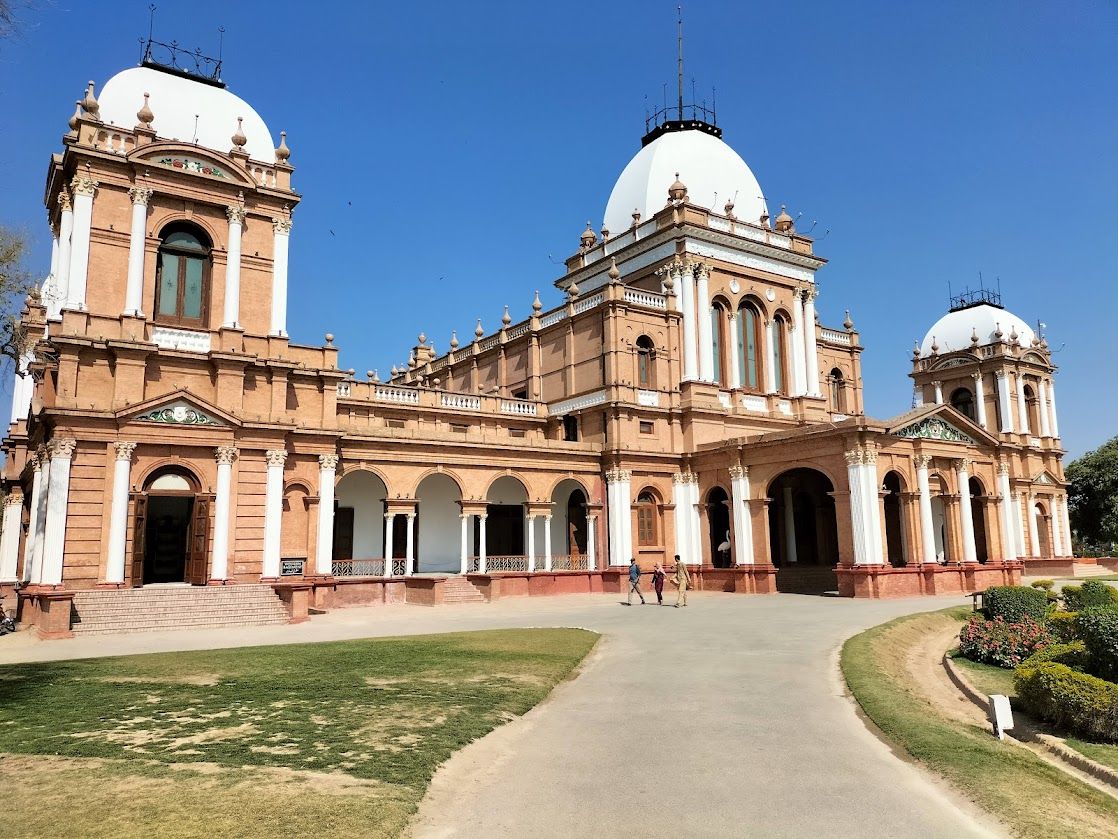
Multan – Uch Sharif – BahawalpurBegin the day exploring historic Multan. The city has witnessed the rise and fall of numerous civilisations including the Greeks, Kushans, Arabs, Ghaznavids, Delhi Sultanate, Mughals and the British Empire. Visits include the magnificent Shrine of Shah Rukn-e-Alam, widely regarded as one of the greatest masterpieces of Islamic architecture in South Asia. Built during the fourteenth century, its massive brick dome, blue glazed tiles and elegant proportions dominate Multan's skyline. Continue through the old city where narrow streets are lined with traditional markets selling embroidered textiles, camel-skin lamps, ceramics, spices and sweets. Later depart for the ancient town of Uch Sharif. Founded over one thousand years ago, Uch became one of the subcontinent's most important centres of Sufi learning. Visit the beautifully decorated Tomb of Bibi Jawindi, celebrated for its magnificent blue tile decoration and intricate geometric patterns. Nearby are several other historic shrines reflecting centuries of Islamic scholarship and spirituality. After lunch continue through the fertile Cholistan region towards Bahawalpur. Formerly the capital of the princely State of Bahawalpur, the city retains many elegant palaces and colonial buildings dating from the nineteenth century. One of the day's highlights is the magnificent Noor Mahal. Constructed in 1875 for the Nawabs of Bahawalpur, this beautiful Italian-inspired palace combines European architecture with traditional Islamic decorative elements. Its marble halls, grand staircases and ornate interiors offer a fascinating glimpse into the luxurious lifestyle of the former royal family. If available during your visit, enjoy the spectacular Sound and Light Show, which brings the history of Noor Mahal to life through music, narration and colourful illumination. Driving Distance: Approximately 270 kmOvernight: Bahawalpur |
| Day 13 |
Bahawalpur – Derawar Fort – SukkurAfter breakfast leave Bahawalpur and begin an unforgettable journey into the mysterious Cholistan Desert. Covering more than 26,000 square kilometres, this vast desert once formed part of the ancient caravan routes linking Central Asia with the Indian Subcontinent. Even today camel caravans, nomadic settlements and centuries-old wells can still be found throughout this remarkable landscape. The highlight of today's excursion is the magnificent Derawar Fort, one of Pakistan's most spectacular historical monuments. Standing dramatically in the middle of the desert, Derawar Fort is instantly recognisable by its forty enormous circular bastions which rise almost thirty metres above the surrounding plains. The impressive fortress stretches for nearly 1,500 metres around its perimeter and can be seen from many kilometres away. Although earlier fortifications existed, the present structure was largely rebuilt during the eighteenth century by the Nawabs of Bahawalpur and became an important military stronghold controlling trade routes across the Cholistan Desert. Walk around the mighty walls and admire one of the finest examples of desert military architecture in South Asia. Nearby stands the beautifully decorated Abbasi Mosque, built from white marble and inspired by Mughal architecture. The peaceful surroundings provide excellent opportunities for photography, particularly during the early morning when the golden desert light enhances the colours of the sandstone walls. After exploring Derawar Fort continue south through Punjab into Sindh Province. As the landscape gradually changes from desert to fertile river plains, arrive in the historic city of Sukkur, situated on the banks of the mighty Indus River. Sukkur has served as an important trading centre for centuries because of its strategic location on Pakistan's longest river. After checking into your hotel there may be time for an evening walk along the Indus River where local families gather to enjoy the cooler evening temperatures. Driving Distance: Approximately 500 kilometresOvernight: Sukkur |
| Day 14 |
Discover Sukkur & Kot Diji FortFollowing breakfast begin a fascinating exploration of Sukkur, one of Sindh's oldest river cities. The Indus River has shaped life here for thousands of years, supporting agriculture, commerce and civilisation since prehistoric times. Visit the famous Lansdowne Bridge, completed in 1889 and regarded as one of the greatest engineering achievements of the British Empire. Nearby stands the Ayub Bridge, creating one of Pakistan's most iconic river landscapes. Continue to Sadhu Bela Temple, located on a picturesque island in the Indus River. This beautiful Hindu temple reflects Sindh's long tradition of religious harmony and cultural diversity. Later drive to the impressive Kot Diji Fort, situated approximately 35 kilometres south of Sukkur. Built between 1785 and 1795 by Mir Sohrab Khan Talpur, the fort occupies a commanding hilltop position overlooking the surrounding plains. Massive defensive walls, watchtowers and gateways remain remarkably well preserved, providing magnificent panoramic views across the countryside. Below the fort lies the archaeological site of Kot Diji, where excavations have revealed evidence of settlements predating the Indus Valley Civilisation by several centuries. These discoveries have helped archaeologists better understand the development of one of humanity's earliest urban cultures. Return to Sukkur during the afternoon. If time permits, enjoy a visit to the bustling local bazaar where colourful textiles, handicrafts, dates and traditional Sindhi ajrak shawls are available. Overnight: Sukkur |
| Day 15 |
Sukkur – Mohenjo-daro – Sehwan SharifToday is one of the most important historical days of the tour. After breakfast depart Sukkur and travel towards the legendary archaeological site of Mohenjo-daro, one of the greatest cities of the ancient world and a UNESCO World Heritage Site. Constructed around 2500 BC, Mohenjo-daro was among the largest and most sophisticated cities of the Indus Valley Civilisation. Remarkably, the city featured carefully planned streets laid out on a grid pattern, advanced drainage systems, public baths, brick houses and sophisticated urban planning thousands of years before many famous civilisations elsewhere. Visit the excellent site museum where beautifully preserved seals, pottery, jewellery, bronze tools and sculptures illustrate the remarkable achievements of this ancient civilisation. Highlights of the archaeological site include:
Overnight: Sehwan Sharif |
| Day 16 |
Sehwan Sharif – Ranikot Fort – KarachiBegin the morning with a visit to the magnificent Shrine of Lal Shahbaz Qalandar, Pakistan's most celebrated Sufi saint. Built over the tomb of Syed Usman Marwandi (1177–1274), the shrine attracts millions of pilgrims every year from across Pakistan and beyond. The atmosphere is filled with devotion, colourful decorations, traditional qawwali music and the famous dhamaal, a spiritual devotional dance performed by worshippers. Visitors experience an unforgettable glimpse into Pakistan's rich Sufi heritage and centuries-old spiritual traditions. Continue south to the extraordinary Ranikot Fort. Often referred to as "The Great Wall of Sindh", Ranikot Fort is believed to be the largest fortification in the world. Stretching approximately 32 kilometres around rugged hills, its enormous defensive walls remain one of the greatest architectural mysteries in South Asia. Explore impressive gateways, ancient bastions and scenic viewpoints while learning about the many legends surrounding the fort's construction. After lunch continue towards Karachi via the modern motorway. As Pakistan's largest city and economic capital, Karachi presents a striking contrast to the peaceful mountains and ancient archaeological sites visited earlier in the journey. Upon arrival transfer to your hotel. Driving Distance: Approximately 380 kilometresOvernight: Karachi |
| Day 17 |
Thatta Excursion & Karachi City Tour – DepartureFollowing breakfast depart Karachi for a full-day excursion to the historic city of Thatta, once the prosperous capital of Sindh during the Samma and Mughal periods. Your first stop is the remarkable Chaukundi Tombs, famous for their beautifully carved sandstone graves decorated with intricate geometric and floral designs. Dating from the fifteenth and sixteenth centuries, these monuments represent one of the finest examples of Sindhi stone craftsmanship. Continue to the vast Makli Necropolis, a UNESCO World Heritage Site and one of the largest funerary complexes anywhere in the world. Spread across more than ten square kilometres, Makli contains hundreds of thousands of tombs, mausoleums and monuments built between the fourteenth and eighteenth centuries. Its unique architecture combines influences from Central Asia, Persia, Gujarat and local Sindhi traditions. Nearby visit the magnificent Shah Jahan Mosque, constructed during the reign of the Mughal Emperor Shah Jahan in 1647. The mosque is celebrated for its elegant brick construction, beautiful blue glazed tiles and exceptional acoustics. Unlike most Mughal mosques, it contains no central dome, yet its ninety-three smaller domes create remarkable sound resonance throughout the prayer hall. Return to Karachi during the afternoon for a sightseeing tour of Pakistan's largest city. Visits include:
|
UNESCO Sites Visited
TaxilaLahore Fort
Shalimar Gardens
Harappa
Mohenjo-daro
Makli Necropolis
Highest Altitude
Khunjerab Pass 4,693 metresOldest Heritage
Indus Valley Civilisation Approx. 2600 BCJourney
Mountains to the Arabian SeaTour Includes
- Airport meet and greet upon arrival in Islamabad.
- Airport transfer on arrival and departure.
- Domestic flight: Islamabad – Skardu.
- Domestic flight: Gilgit – Islamabad.
- Private air-conditioned transport throughout the tour.
- Professional English-speaking driver.
- Accommodation in carefully selected hotels.
- Daily breakfast.
- Sightseeing as per itinerary.
- Road tolls, fuel and parking fees.
- Government taxes where applicable.
- Tour coordination throughout the journey.
- 24-hour emergency assistance.
Tour Excludes
- International airfare.
- Pakistan Visa fees.
- Lunches and dinners unless specified.
- Travel insurance.
- Personal expenses.
- Laundry services.
- Tips for guides and drivers.
- Optional activities not mentioned in the itinerary.
- Expenses caused by weather delays or flight cancellations.
Best Time to Visit Pakistan
The Grand Tour of Pakistan covers several climatic regions ranging from the cool mountains of Gilgit-Baltistan to the warm plains of Punjab and Sindh. The ideal travel period is from May until October, when mountain roads are open and weather conditions are generally favourable.
| Month | Northern Mountains | Punjab | Sindh | Recommendation |
| March | Cold | Pleasant | Warm | Good (Southern Pakistan) |
| April | Cool | Warm | Hot | Very Good |
| May | Excellent | Warm | Hot | Excellent |
| June | Excellent | Warm | Hot | Excellent |
| July | Excellent | Monsoon | Warm | Very Good |
| August | Excellent | Monsoon | Warm | Very Good |
| September | Outstanding | Pleasant | Warm | Excellent |
| October | Outstanding | Pleasant | Pleasant | Excellent |
Approximate Altitudes
| Destination | Altitude |
| Islamabad | 540 m |
| Taxila | 510 m |
| Skardu | 2,230 m |
| Shigar | 2,300 m |
| Hunza | 2,500 m |
| Khunjerab Pass | 4,693 m |
| Gilgit | 1,500 m |
| Lahore | 217 m |
| Multan | 122 m |
| Bahawalpur | 117 m |
| Sukkur | 67 m |
| Karachi | 10 m |
Packing Checklist
- Valid passport and Pakistan visa.
- Travel insurance documents.
- Comfortable walking shoes.
- Warm jacket for the mountains.
- Light clothing for southern Pakistan.
- Rain jacket.
- Hat and sunglasses.
- High SPF sunscreen.
- Personal medications.
- Power bank.
- Universal travel adaptor.
- Camera with spare memory cards.
- Refillable water bottle.
- Small day backpack.
- Light gloves (May & October departures).
Responsible Tourism
Pakistan's spectacular mountains, deserts, archaeological sites and historic monuments deserve to be preserved for future generations. We encourage all travellers to respect local customs, support local businesses and minimise their environmental impact throughout the journey.
- Do not leave litter in national parks or heritage sites.
- Dress respectfully when visiting mosques and shrines.
- Ask permission before photographing local people.
- Support local handicraft makers and family businesses.
- Avoid damaging archaeological remains.
- Use refillable water bottles whenever possible.
- Respect wildlife and avoid feeding animals.
Why Choose Travel.web.pk?
Experienced Tour Operator
Over 25 years of experience arranging tours throughout Pakistan.Local Knowledge
Our guides know the history, culture and hidden attractions of every destination.Flexible Itineraries
Private departures can be customised to suit your interests.Safe & Comfortable
Reliable transport, carefully selected hotels and experienced drivers.Frequently Asked Questions
1. What is the best month for this tour?
May, June, September and October offer the most pleasant weather throughout the itinerary.
2. Is Pakistan safe for tourists?
Yes. Popular tourist destinations receive thousands of domestic and international visitors each year. As with travel anywhere, sensible precautions and local guidance should be followed.
3. Do I need a visa?
Most international visitors require a Pakistan visa before travelling.
4. Can the itinerary be customised?
Yes. Additional days or destinations can easily be added.
5. Is this a private tour?
Yes. The itinerary can be operated as a private journey.
6. Are domestic flights included?
Yes. Islamabad–Skardu and Gilgit–Islamabad flights are included if booked as part of the package.
7. How much walking is involved?
Most sightseeing involves easy walking with occasional stairs at forts and archaeological sites.
8. Is altitude sickness common?
Most travellers experience no problems, although Khunjerab Pass reaches 4,693 metres and visitors should avoid strenuous activity there.
9. Can vegetarians be catered for?
Yes. Vegetarian meals are widely available.
10. What currency is used?
The Pakistani Rupee (PKR).
11. Is Wi-Fi available?
Most hotels offer Wi-Fi, although speeds in mountain areas may vary.
12. What languages are spoken?
Urdu is the national language, while English is widely used in tourism.
13. Are credit cards accepted?
Major hotels accept cards, but cash is recommended in remote areas.
14. What vehicles are used?
Comfortable private cars, SUVs or vans depending on group size.
15. Can solo travellers join?
Yes.
16. Is photography allowed?
Photography is permitted at most locations except where specifically restricted.
17. Are hotels comfortable?
Yes. Accommodation is selected for comfort, cleanliness and location.
18. What wildlife may be seen?
Ibex, marmots, golden eagles and many mountain bird species may be observed.
19. What should I wear?
Comfortable clothing with layers for changing temperatures.
20. Can children join?
Yes, this tour is suitable for families.
21. What is the highest point?
Khunjerab Pass at 4,693 metres.
22. How many UNESCO sites are included?
Six UNESCO World Heritage Sites are included in the itinerary.
23. Is tipping expected?
Tipping is appreciated but always optional.
24. Can I extend my stay?
Yes. Extensions to Skardu, Fairy Meadows, Chitral or the Makran Coast can be arranged.
25. How do I reserve this tour?
Contact Travel.web.pk by email or complete the online enquiry form to receive a personalised quotation.
Experience Pakistan Like Never Before
From the snow-covered Karakoram Mountains and the legendary Hunza Valley to the ancient cities of the Indus Valley Civilization, magnificent Mughal monuments, colourful bazaars and the Arabian Sea coast, this carefully designed Grand Tour showcases the very best of Pakistan in one unforgettable journey.
Travel.web.pk
Pakistan Cultural Tours • Heritage Tours • Mountain Adventures • Archaeological Expeditions • Private Holidays
Email: info@travel.web.pk
Islamabad – Pakistan's Beautiful Capital City
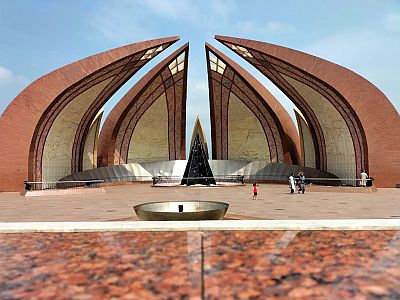
Islamabad, the capital of Pakistan, is one of the newest planned capitals in the world and is widely regarded as one of South Asia's cleanest, greenest and most attractive cities. Constructed during the 1960s to replace Karachi as the national capital, Islamabad was carefully designed by the Greek architect Constantinos Doxiadis using a modern grid layout surrounded by parks, forests and the scenic Margalla Hills. Unlike many large Asian cities, Islamabad offers a peaceful atmosphere with broad tree-lined avenues, beautifully landscaped parks and impressive government buildings. The city combines modern architecture with abundant natural beauty, making it an ideal introduction to Pakistan. The most famous landmark is the magnificent Faisal Mosque, one of the largest mosques in the world. Designed by Turkish architect Vedat Dalokay and financed by King Faisal of Saudi Arabia, the mosque's unique tent-shaped structure and four elegant minarets have become a symbol of Pakistan. Visitors also enjoy the Pakistan Monument, Lok Virsa Heritage Museum, Daman-e-Koh viewpoint, Saidpur Village and numerous hiking trails within Margalla Hills National Park. Wildlife including monkeys, barking deer, wild boar and over 250 bird species inhabit the surrounding forests. Islamabad is also an excellent base for exploring nearby attractions including Taxila, Murree, Khanpur Lake and the northern mountains. Excellent hotels, restaurants and shopping centres make the city a comfortable starting point for any journey through Pakistan.
Taxila – UNESCO World Heritage Site
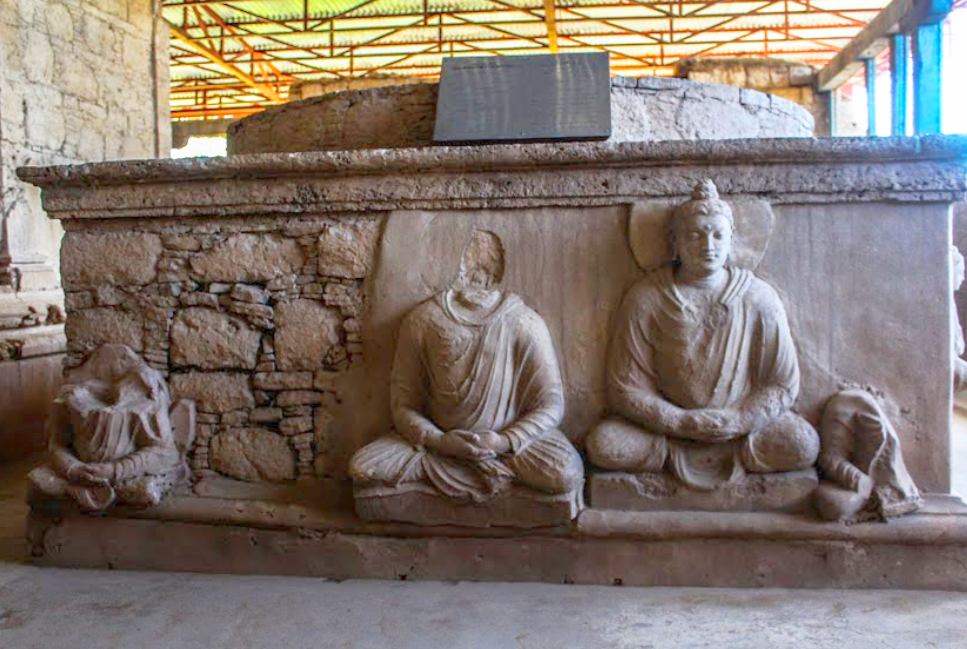
Only 35 kilometres from Islamabad lies one of Asia's greatest archaeological treasures. Taxila flourished for over one thousand years as a centre of education, trade, philosophy and Buddhism, attracting scholars from across Central Asia, Persia and the Indian Subcontinent. Its strategic position along the ancient Silk Road allowed ideas, religions and cultures to meet here long before the modern concept of international universities existed. Many historians consider Taxila among the earliest centres of higher learning in human history. Today the archaeological complex consists of numerous excavated cities, monasteries, temples and stupas dating from the sixth century BC through the Kushan period. The excellent Taxila Museum displays hundreds of remarkable Buddhist sculptures, coins, jewellery, pottery and everyday objects discovered during excavations. Nearby attractions include the Dharmarajika Stupa, Sirkap, Jaulian Monastery and Mohra Moradu. Recognised by UNESCO for its outstanding cultural significance, Taxila provides fascinating insight into the spread of Buddhism throughout Asia and the remarkable cultural exchanges that once occurred along ancient trade routes. Walking among these peaceful ruins allows visitors to imagine the scholars, monks and merchants who once made Taxila one of the intellectual capitals of the ancient world.
Skardu – Gateway to the Karakoram Mountains
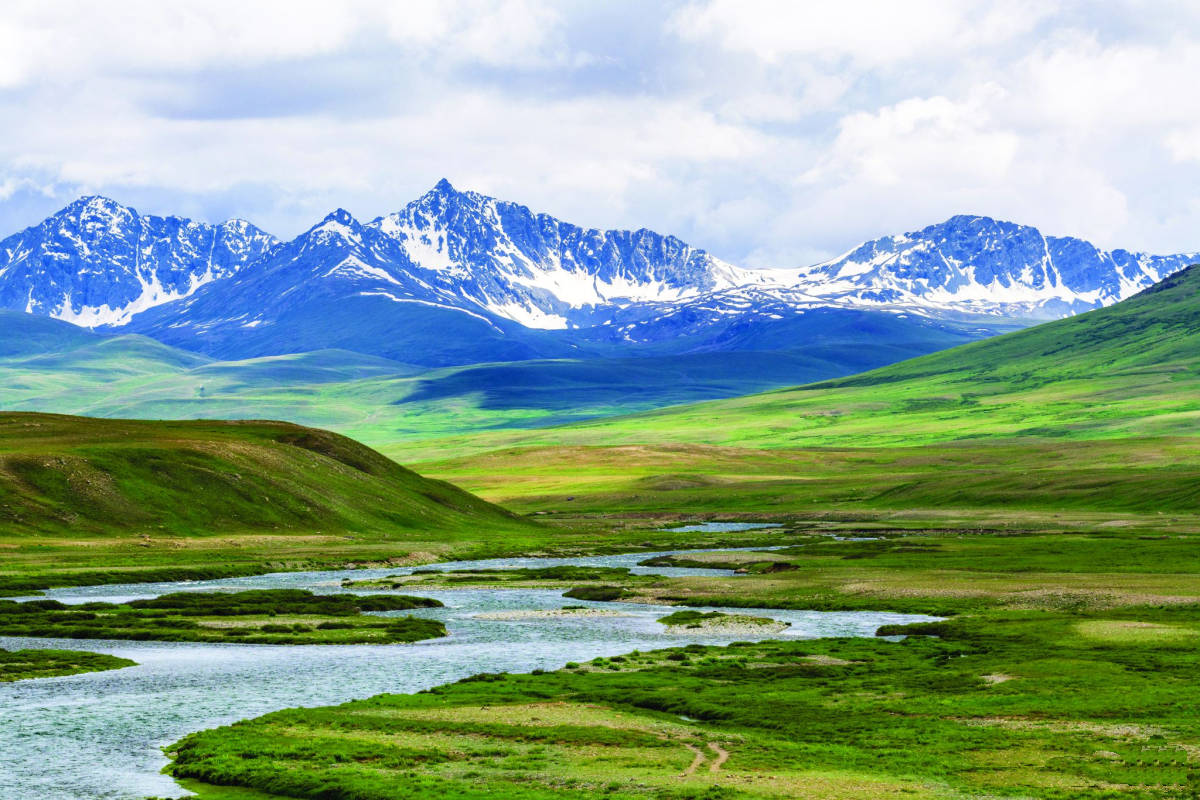
Situated at an altitude of approximately 2,230 metres above sea level, Skardu is the capital of Baltistan and one of Pakistan's most spectacular mountain destinations. Surrounded by dramatic peaks, glaciers and crystal-clear rivers, the town serves as the starting point for expeditions to K2, Broad Peak, Gasherbrum and many of the world's highest mountains. The fertile Skardu Valley contrasts beautifully with the rugged Karakoram landscape. Poplar trees, apricot orchards and green fields flourish beside the Indus River while snow-covered summits dominate the horizon. Popular attractions include Satpara Lake, Shangrila Resort, Upper Kachura Lake, Buddha Rock, Skardu Bazaar and Skardu Fort. The lively market offers traditional Balti handicrafts, gemstones, embroidered clothing and dried mountain fruits. Skardu has also become one of Pakistan's leading destinations for trekking, mountaineering, jeep safaris and landscape photography. During summer, colourful wildflowers bloom throughout the surrounding valleys while autumn transforms the region into brilliant shades of gold, orange and crimson. Balti hospitality, influenced by Tibetan culture and centuries of mountain traditions, makes every visitor feel welcome in this extraordinary corner of the Karakoram.
Shigar Valley – The Gateway to K2
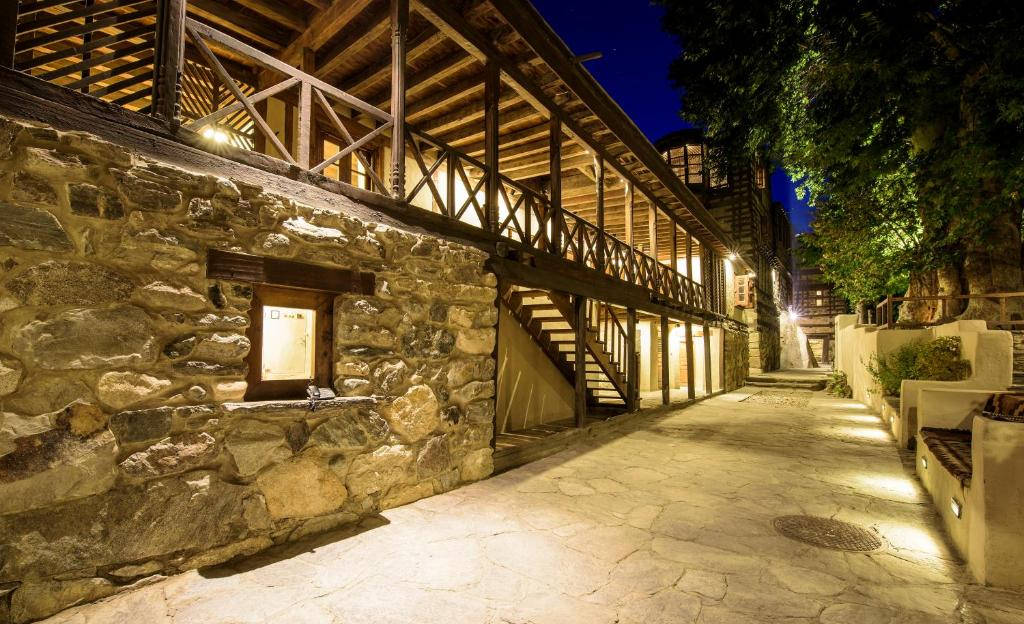
Located only thirty kilometres from Skardu, the picturesque Shigar Valley is one of Baltistan's most beautiful and culturally significant regions. The valley follows the Shigar River towards the mighty Baltoro Glacier, making it the traditional gateway for expeditions heading to K2 and the central Karakoram. The highlight of Shigar is the beautifully restored Shigar Fort, originally constructed during the seventeenth century as the residence of the local Raja. After extensive restoration by the Aga Khan Trust for Culture, the fort has become one of Pakistan's finest examples of heritage conservation. Visitors can explore elegant wooden balconies, traditional stone architecture, peaceful gardens and museum galleries explaining the history of Baltistan and the ancient rulers of Shigar. Nearby villages preserve traditional Balti lifestyles where irrigation channels, stone houses and terraced farms have changed little for centuries. Local residents continue to cultivate barley, wheat, potatoes and fruit using methods passed from generation to generation. The surrounding mountains provide unforgettable scenery, making Shigar one of the most rewarding day excursions from Skardu.
Katpana Cold Desert – Sand Dunes Among Snowy Mountains
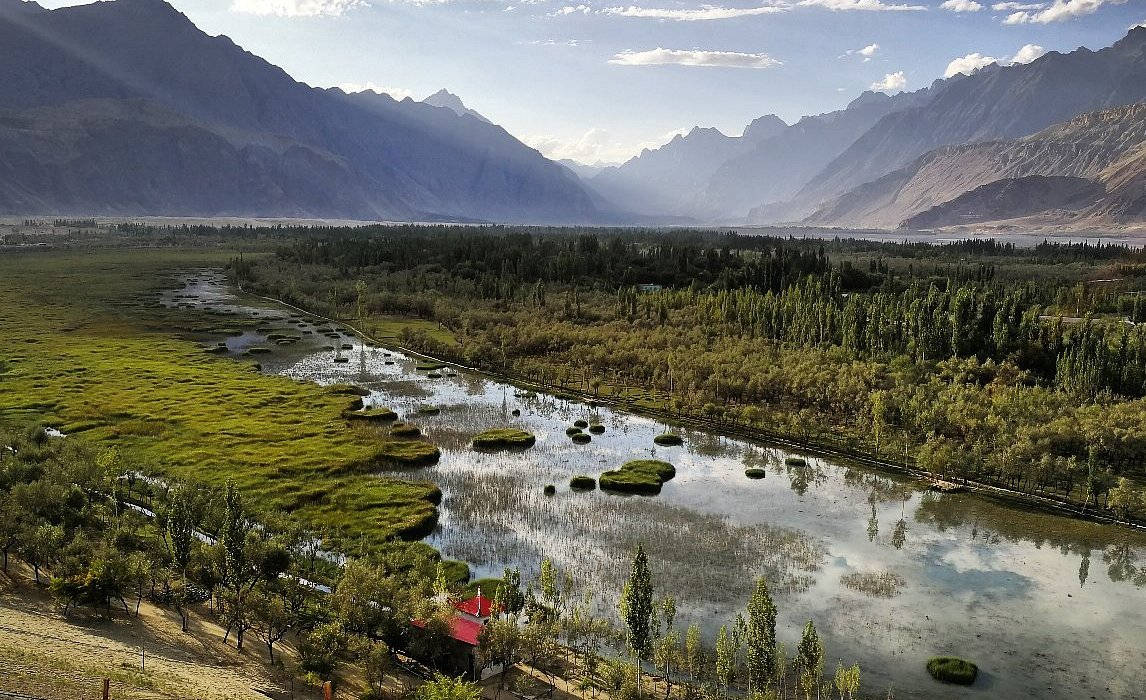
The Katpana Cold Desert is one of the most unusual landscapes in Pakistan and among the highest deserts on Earth. Located just outside Skardu, this remarkable natural wonder consists of golden sand dunes surrounded by snow-covered mountains exceeding 6,000 metres. Unlike the hot deserts of southern Pakistan, Katpana experiences freezing winter temperatures with heavy snowfall. During summer the contrast between bright blue skies, golden dunes and white mountain peaks creates spectacular photographic opportunities rarely found elsewhere in the world. The desert extends across large areas of the Skardu Valley and has become increasingly popular among photographers, filmmakers and adventure travellers. Sunrise and sunset are particularly beautiful as changing light creates dramatic colours across the dunes. Camel rides, jeep excursions and peaceful walks through the desert provide visitors with unforgettable memories. The nearby villages offer a glimpse into traditional Balti culture where local people have successfully adapted to one of the world's most unique environments.
Hunza Valley – Pakistan's Mountain Paradise
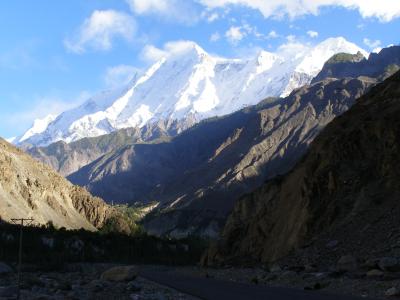
Hunza Valley is undoubtedly one of Pakistan's most famous travel destinations and is often described as one of the most beautiful mountain valleys anywhere in the world. Nestled within the Karakoram Range at an altitude of approximately 2,500 metres, Hunza is surrounded by spectacular peaks including Rakaposhi, Ultar Sar, Ladyfinger Peak, Diran Peak and Golden Peak. For centuries the valley prospered as an independent mountain kingdom controlling an important section of the ancient Silk Road between China and South Asia. Today its rich cultural heritage, traditional villages and extraordinary scenery attract visitors from around the globe. The historic town of Karimabad is home to the magnificent Baltit Fort, colourful bazaars and welcoming cafés overlooking snow-covered mountains. The valley is also famous for its fruit orchards producing apricots, cherries, apples, walnuts and almonds. During spring millions of blossoms transform Hunza into a breathtaking landscape of pink and white flowers, while autumn brings brilliant golden colours that make the valley a paradise for photographers. Hunza is renowned for its high literacy rate, peaceful atmosphere and exceptional hospitality. Walking through the ancient irrigation channels, exploring traditional villages and meeting local families provides visitors with an authentic insight into mountain life that has remained remarkably unchanged for generations. Whether you are interested in culture, history, trekking, photography or simply relaxing amidst spectacular scenery, Hunza Valley offers an unforgettable experience and is rightly considered one of the highlights of any journey through Pakistan.
Explore More Destinations on This Tour
The journey continues through some of Pakistan's most spectacular landscapes. In the next section you'll discover the history and beauty of Baltit Fort, Hopper Glacier, Attabad Lake, Passu, Hussaini Suspension Bridge, Sost, Khunjerab Pass, Gilgit and Rakaposhi, complete with detailed destination guides and image placeholders.
Baltit Fort – The Ancient Royal Palace of Hunza
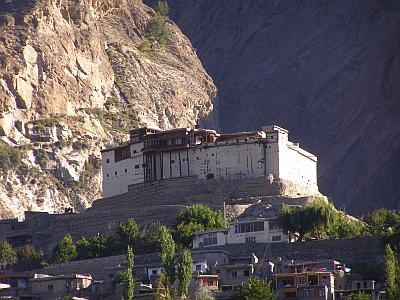
Standing proudly above Karimabad for more than 700 years, Baltit Fort is one of Pakistan's finest historical monuments and one of the country's best-preserved mountain forts. The fort served as the royal residence of the Mirs of Hunza until 1945 and reflects centuries of Tibetan, Kashmiri and Central Asian architectural influences. Constructed using stone, timber and mud, Baltit Fort was designed to survive harsh mountain winters, heavy snowfall and earthquakes. Narrow staircases, thick defensive walls, watch towers and wooden balconies reveal how the rulers of Hunza protected their kingdom while overlooking the ancient Silk Road below. Following an award-winning restoration by the Aga Khan Trust for Culture, the fort has become a museum showcasing royal chambers, traditional kitchens, audience halls, armour, furniture and exhibits explaining Hunza's remarkable history. From the rooftop terraces visitors enjoy breathtaking panoramic views across Karimabad, the surrounding apricot orchards and some of the Karakoram's most famous peaks including Ultar Sar, Ladyfinger Peak and Rakaposhi. A visit to Baltit Fort offers an unforgettable journey into the fascinating history of the mountain kingdoms that once controlled trade between China and South Asia.
Hopper Glacier – A River of Ice in Nagar Valley
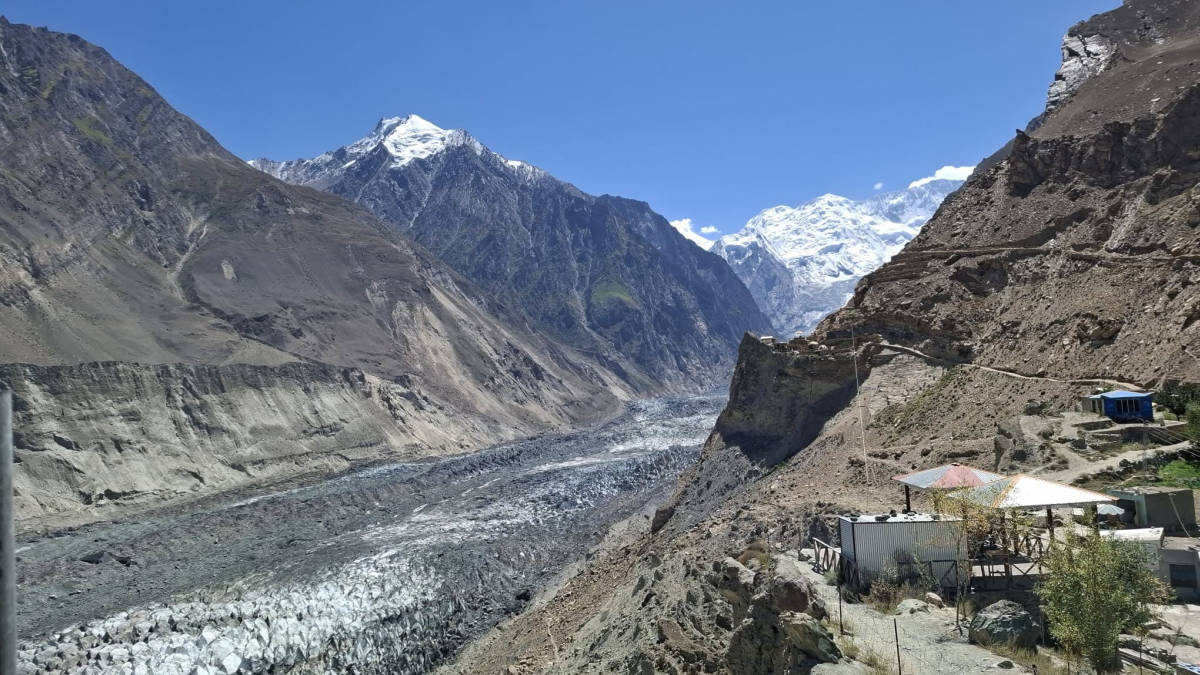
Located in neighbouring Nagar Valley, the spectacular Hopper (Hopar) Glacier is among the most impressive glacier systems accessible by road in Pakistan. The journey itself is part of the experience. Winding mountain roads pass traditional villages, terraced farms, fruit orchards and dramatic cliffs before revealing enormous rivers of ice descending from the surrounding Karakoram Mountains. The glacier forms part of the Bualtar Glacier system, nourished by some of the highest peaks in the region including Golden Peak (Spantik) and neighbouring summits. Visitors are rewarded with magnificent scenery where towering ice walls, waterfalls and rocky moraines combine to create unforgettable landscapes. During summer the contrast between lush green villages and brilliant white glaciers makes Hopper one of the most photogenic locations in Gilgit-Baltistan. The peaceful village of Hopper also offers opportunities to meet local residents and experience traditional life in the mountains, where agriculture still depends upon ancient irrigation channels carrying glacial meltwater.
Attabad Lake – The Turquoise Jewel of Hunza

Attabad Lake is one of Pakistan's newest natural attractions and has rapidly become one of the country's most photographed destinations. The lake was formed in January 2010 when a massive landslide blocked the Hunza River, creating a stunning body of turquoise water stretching more than twenty kilometres through the valley. Although the event initially caused considerable hardship for local communities, Attabad Lake has since become a symbol of resilience and renewal. Today visitors enjoy boating, kayaking, jet skiing and lakeside cafés while admiring the crystal-clear blue water surrounded by dramatic mountain scenery. The engineering achievements that followed the landslide, including a series of modern tunnels constructed along the Karakoram Highway, have restored travel through Upper Hunza while creating spectacular viewpoints overlooking the lake. Whether viewed from the highway or explored by boat, Attabad Lake is undoubtedly one of the highlights of northern Pakistan.
Passu – Home of the Famous Cathedral Peaks
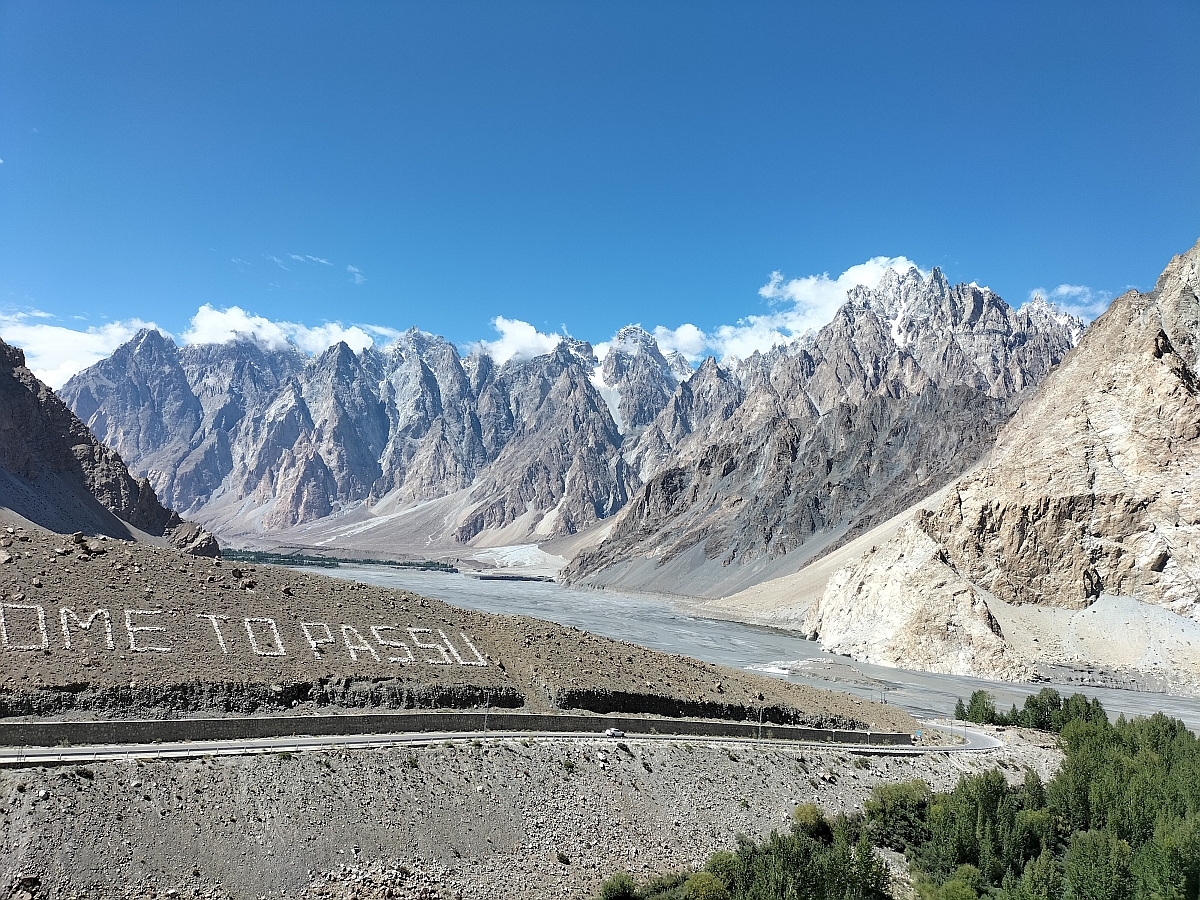
The tiny village of Passu enjoys an international reputation thanks to the extraordinary mountain skyline known as the Passu Cathedral Peaks or Passu Cones. These sharply pointed granite spires are among the most recognisable mountain landscapes anywhere in the Karakoram and have become an iconic image of Pakistan. Passu also lies beside the magnificent Passu Glacier, one of the region's most accessible glaciers, where adventurous travellers can enjoy short walks accompanied by local guides. The surrounding area offers exceptional opportunities for landscape photography throughout the year, particularly during sunrise and sunset when changing light transforms the mountains into brilliant shades of gold and crimson. Traditional Wakhi culture remains strong in Passu, where friendly local communities warmly welcome visitors travelling along the Karakoram Highway.
Hussaini Suspension Bridge
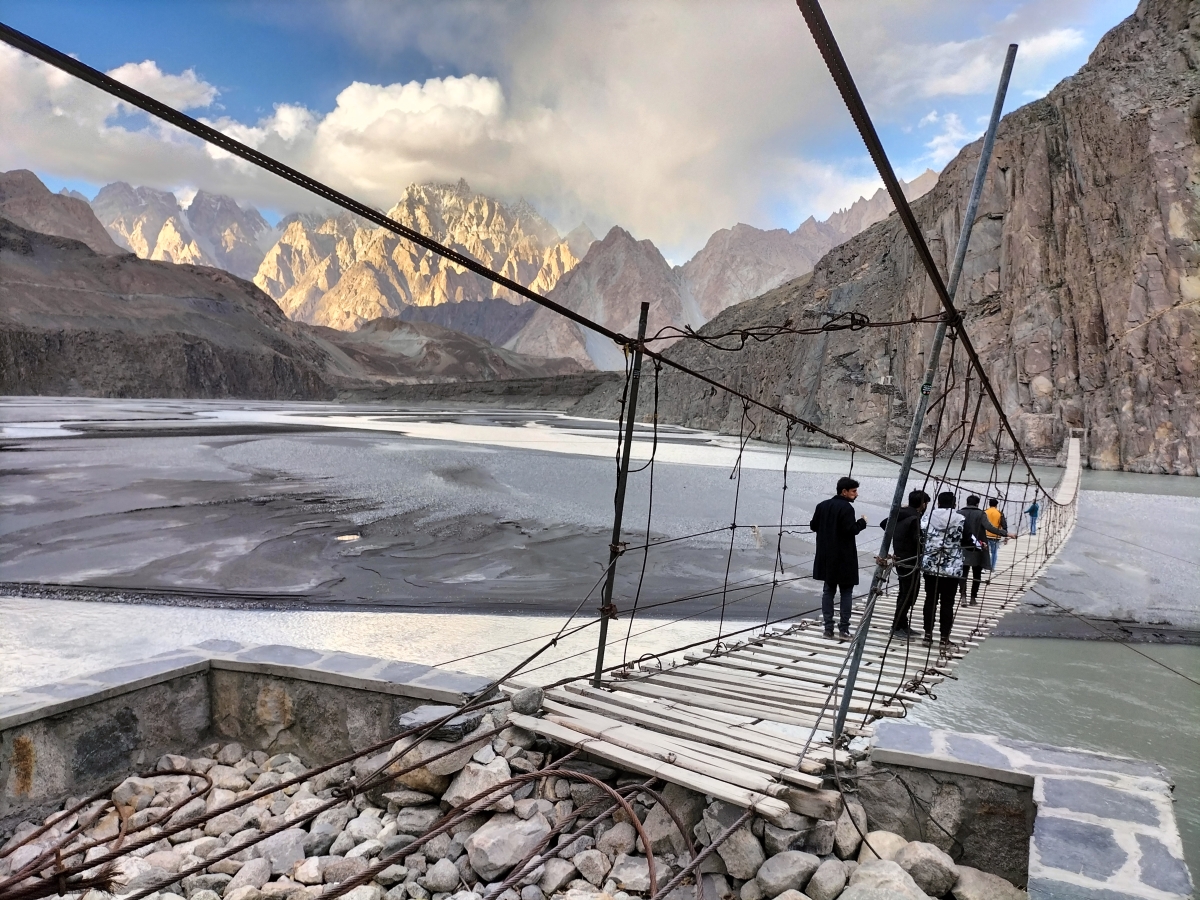
Often described as one of the world's most exciting suspension bridges, the historic Hussaini Suspension Bridge stretches across the Hunza River near the village of Hussaini. Originally built by local villagers using wooden planks and steel cables, the bridge provided an essential crossing between isolated communities before modern infrastructure reached the valley. Although a newer bridge now carries most local traffic, the original structure remains a popular attraction for adventurous visitors. Crossing the bridge offers magnificent views of the Hunza River, Passu Cathedral Peaks and surrounding glaciers. Even travellers who choose not to cross enjoy photographing one of Pakistan's most famous landmarks. The bridge symbolises the determination and ingenuity of mountain communities living in one of the world's most challenging environments.
Sost – Pakistan's Highest Dry Port
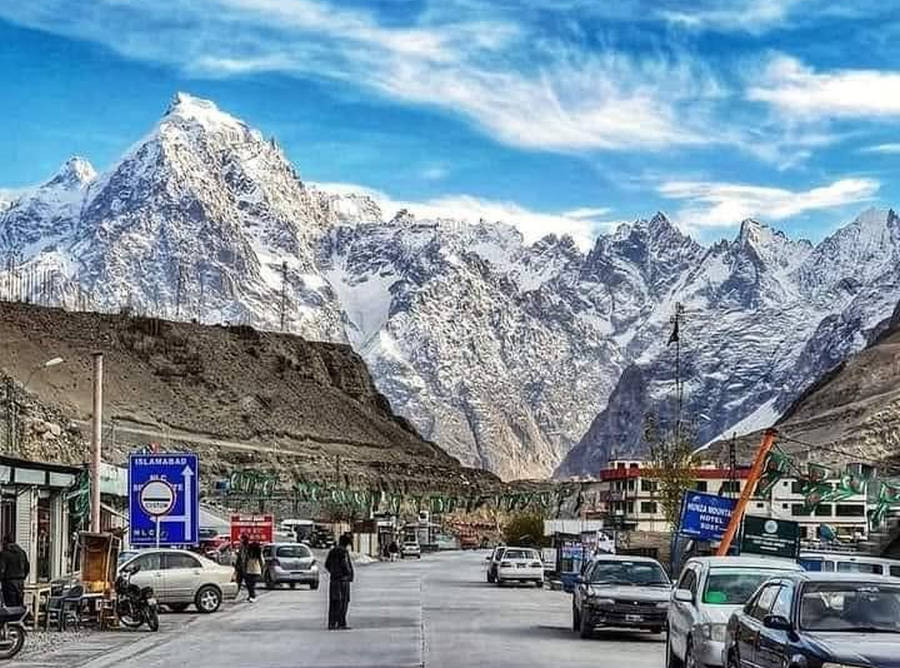
Situated at an altitude of approximately 2,800 metres, Sost is Pakistan's last major settlement before the Chinese border. The town serves as the country's highest dry port where goods travelling between Pakistan and China's Xinjiang Province pass through customs and immigration facilities. Its strategic position has made Sost an important commercial centre along the Karakoram Highway, continuing a tradition of international trade that dates back to the ancient Silk Road. Visitors often stop here for refreshments while enjoying magnificent mountain scenery before continuing towards Khunjerab National Park. Despite its remote location, Sost plays a vital role in strengthening economic and cultural links between Pakistan and China.
Khunjerab Pass – The Highest Paved Border Crossing in the World
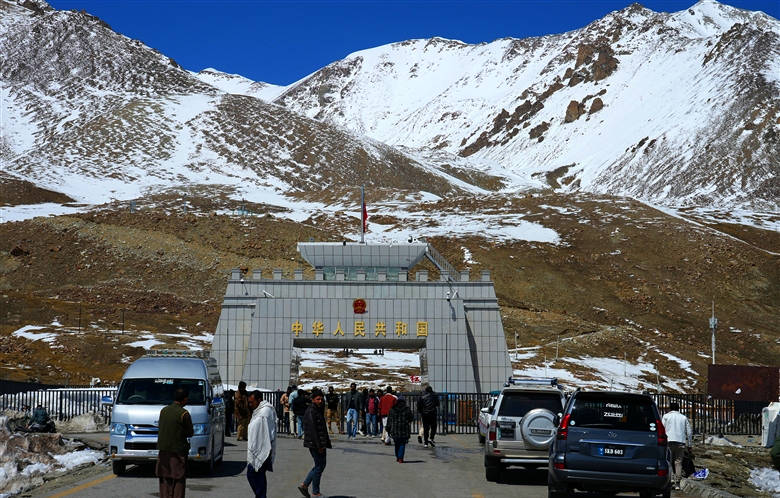
At an elevation of approximately 4,693 metres, Khunjerab Pass is the highest paved international border crossing in the world and one of Pakistan's most extraordinary travel experiences. Located inside Khunjerab National Park, the pass marks the international boundary between Pakistan and China's Xinjiang Uyghur Autonomous Region. The surrounding plateau is home to a remarkable variety of wildlife including Himalayan ibex, marmots, foxes, golden eagles and the elusive snow leopard. Because of its extreme altitude, vegetation is sparse, creating a dramatic landscape of rolling alpine meadows surrounded by snow-covered peaks. Standing beneath the famous Pakistan–China Friendship Gate is a memorable highlight for visitors travelling the Karakoram Highway. The pass remains closed during periods of severe winter weather, making summer and early autumn the ideal seasons to visit.
Gilgit – Historic Crossroads of the Silk Road
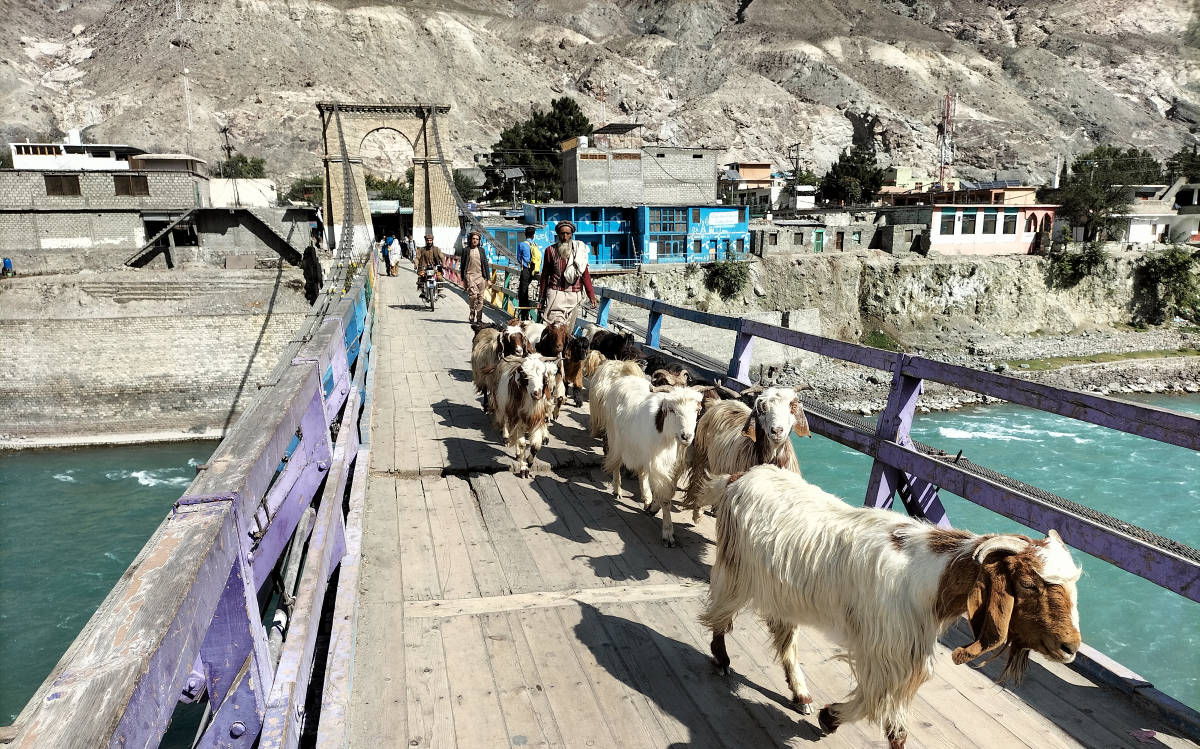
Gilgit is one of the oldest continuously inhabited settlements in northern Pakistan and has served as an important trading centre for more than two thousand years. Situated at the meeting point of ancient caravan routes connecting China, Central Asia, Kashmir and the Indian Subcontinent, Gilgit became an essential stop for merchants, explorers and Buddhist pilgrims travelling along the Silk Road. Today the city combines modern facilities with traditional mountain culture. Visitors explore the lively Gilgit Bazaar, famous for gemstones, handicrafts, carpets, embroidered clothing and dried fruits. A major attraction is the remarkable Kargah Buddha, an enormous rock carving believed to date from the seventh or eighth century, reflecting the region's Buddhist heritage before the arrival of Islam. Gilgit also serves as an important gateway for expeditions into the Karakoram, Himalaya and Hindu Kush mountain ranges.
Rakaposhi – One of the World's Most Beautiful Mountains
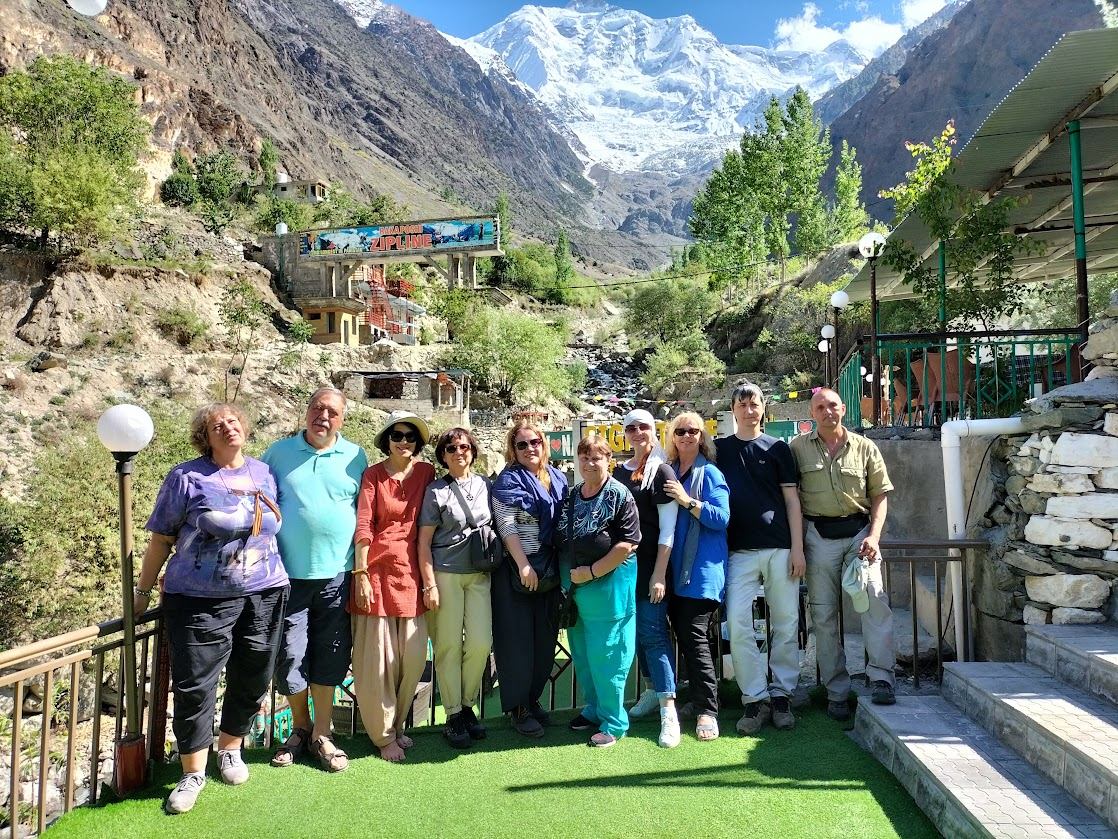
Towering to an impressive height of 7,788 metres, Rakaposhi is widely regarded as one of the most beautiful mountains in the world. Unlike many Himalayan peaks hidden deep within remote valleys, Rakaposhi rises dramatically almost directly above the Karakoram Highway, allowing travellers to enjoy spectacular views without undertaking difficult trekking expeditions. The famous Rakaposhi View Point offers panoramic vistas of the mountain's immense snow-covered slopes, glaciers and surrounding forests. Many visitors stop here for tea while admiring one of Pakistan's most iconic landscapes. Rakaposhi is part of the Karakoram Range and was first successfully climbed in 1958 by a British-Pakistani expedition. The mountain's name is often translated as "Shining Wall," a fitting description as its enormous white face reflects the changing colours of sunrise and sunset. For photographers, nature lovers and mountain enthusiasts, Rakaposhi provides one of the unforgettable highlights of any journey through northern Pakistan.
Continue Your Journey Through Pakistan
The next section explores the cultural heart of Pakistan, including the fascinating Khewra Salt Mine, the Mughal splendour of Lahore, the ancient ruins of Harappa, the Sufi city of Multan, the historic shrines of Uch Sharif, the royal city of Bahawalpur and the magnificent Noor Mahal.
Khewra Salt Mine – The World's Second Largest Salt Mine
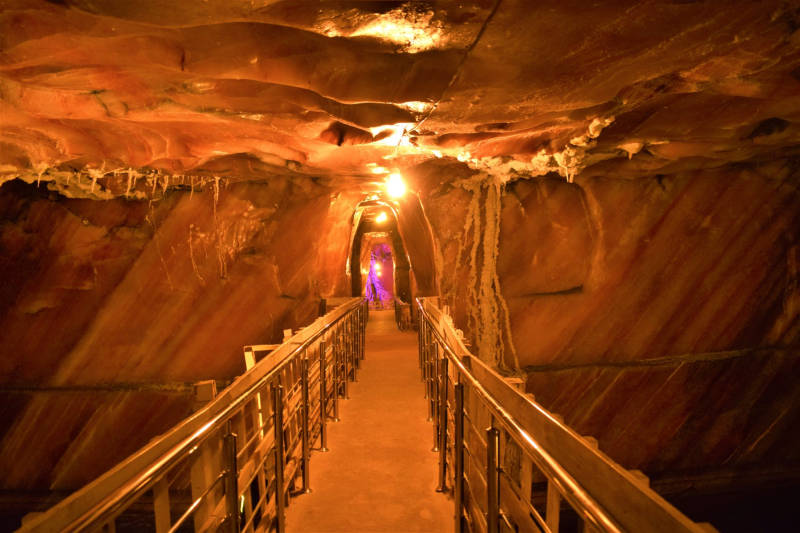
Located in Pakistan's historic Salt Range, approximately 160 kilometres south of Islamabad, the Khewra Salt Mine is the second largest salt mine in the world and one of Pakistan's most visited geological attractions. The mine contains vast reserves of pink Himalayan rock salt that were formed more than 500 million years ago when an ancient sea once covered this region. According to local tradition, the deposits were discovered during the campaign of Alexander the Great in 326 BC when soldiers noticed their horses licking unusually salty rocks. Commercial mining has continued for centuries, and today Khewra produces hundreds of thousands of tonnes of salt annually. Visitors enter the underground mine aboard a charming narrow-gauge electric train before exploring kilometres of illuminated tunnels carved entirely from pink salt. Among the highlights are the famous Salt Mosque, miniature replicas of Pakistan's national monuments built from salt bricks, crystal-clear underground lakes and beautifully lit chambers that sparkle beneath the mine lights. The mine also houses a therapeutic health centre where the naturally clean, mineral-rich atmosphere is believed to benefit visitors suffering from asthma and other respiratory conditions. Khewra combines natural wonder, geology, history and engineering into one unforgettable experience and remains one of Pakistan's most unique tourist attractions.
Lahore – The Cultural Heart of Pakistan

Lahore is Pakistan's second-largest city and is affectionately known as the "Heart of Pakistan." For centuries it served as the capital of the Mughal Empire, becoming one of the most beautiful cities in Asia through its magnificent gardens, palaces, mosques and bustling bazaars. Today Lahore perfectly blends history with modern life. Visitors can explore UNESCO World Heritage monuments, enjoy traditional Punjabi cuisine, shop in colourful bazaars and experience one of South Asia's richest cultural traditions. The magnificent Lahore Fort, originally expanded by Emperor Akbar and enhanced by Jahangir and Shah Jahan, contains elegant royal apartments, audience halls, defensive walls and the breathtaking Sheesh Mahal or Palace of Mirrors. Facing the fort stands the famous Badshahi Mosque, completed in 1673 by Emperor Aurangzeb. Built from red sandstone and white marble, it remains one of the world's great masterpieces of Mughal architecture. Within the old Walled City, visitors discover narrow streets filled with traditional craftsmen, spice markets, jewellery shops and beautifully restored heritage buildings. Wazir Khan Mosque, with its intricate Persian-style tile work, is considered among the finest examples of Islamic decorative art anywhere in the world. Lahore is equally celebrated for its lively food streets, literature, music, art galleries and warm hospitality. Every visitor quickly discovers why people proudly say, "Those who have not seen Lahore have not truly lived."
Harappa – One of the World's Oldest Planned Cities
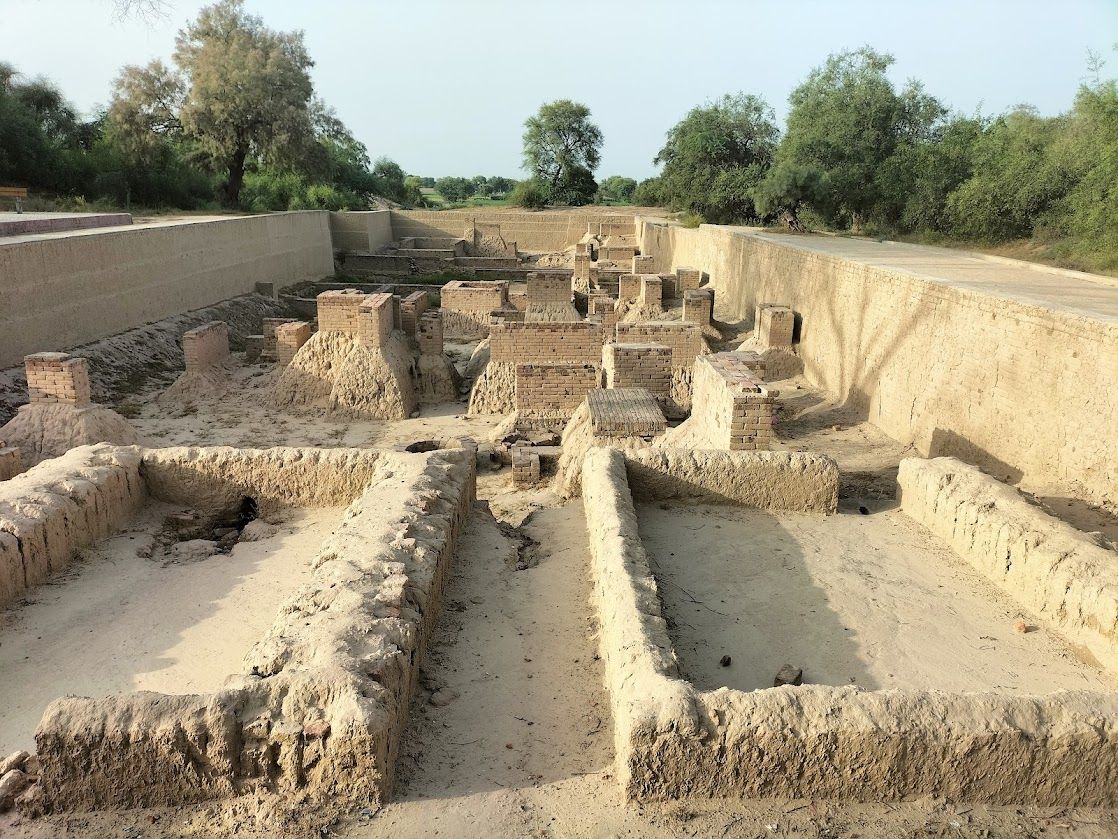
Harappa is one of the most important archaeological sites in Asia and represents one of humanity's earliest urban civilisations. Flourishing between approximately 2600 and 1900 BC, Harappa formed part of the remarkable Indus Valley Civilisation alongside Mohenjo-daro and several other ancient cities. Excavations have revealed a remarkably advanced society with carefully planned streets, sophisticated drainage systems, brick-built homes, granaries, wells and public buildings. These achievements demonstrate an extraordinary level of urban planning that existed thousands of years before many other famous ancient civilisations. The excellent Harappa Museum displays seals engraved with the still undeciphered Indus script, elegant pottery, bronze tools, jewellery, toys and sculptures that illustrate daily life more than four thousand years ago. Walking through the archaeological remains allows visitors to appreciate the scale and sophistication of this Bronze Age metropolis. Historians continue to study Harappa in hopes of solving one of archaeology's greatest mysteries—the meaning of the Indus script and the eventual decline of this extraordinary civilisation. A visit to Harappa provides a fascinating glimpse into Pakistan's ancient heritage and the origins of urban civilisation in South Asia.
Multan – The City of Saints

Believed to be one of the oldest continuously inhabited cities in South Asia, Multan has welcomed traders, conquerors, scholars and pilgrims for more than two thousand years. Located on the fertile plains of southern Punjab, the city became famous as a centre of Islamic learning and Sufism, earning the title "City of Saints." The skyline is dominated by the magnificent Shrine of Shah Rukn-e-Alam, one of the greatest masterpieces of Islamic architecture in the region. Constructed during the early fourteenth century, its massive brick dome, colourful blue glazed tiles and elegant proportions have become symbols of Multan. Visitors also enjoy the shrines of Bahauddin Zakariya, Shah Shams Sabzwari and many other revered Sufi saints whose teachings continue to influence spiritual life throughout Pakistan. The old city contains narrow bazaars where skilled craftsmen produce beautiful blue pottery, camel-skin lamps, embroidered textiles, ceramics and traditional sweets. Multan is also famous for its delicious mangoes, which are widely regarded among the finest in the world. Combining spirituality, craftsmanship, history and hospitality, Multan offers travellers an unforgettable introduction to the rich cultural traditions of southern Punjab.
Uch Sharif – A Centre of Sufi Heritage
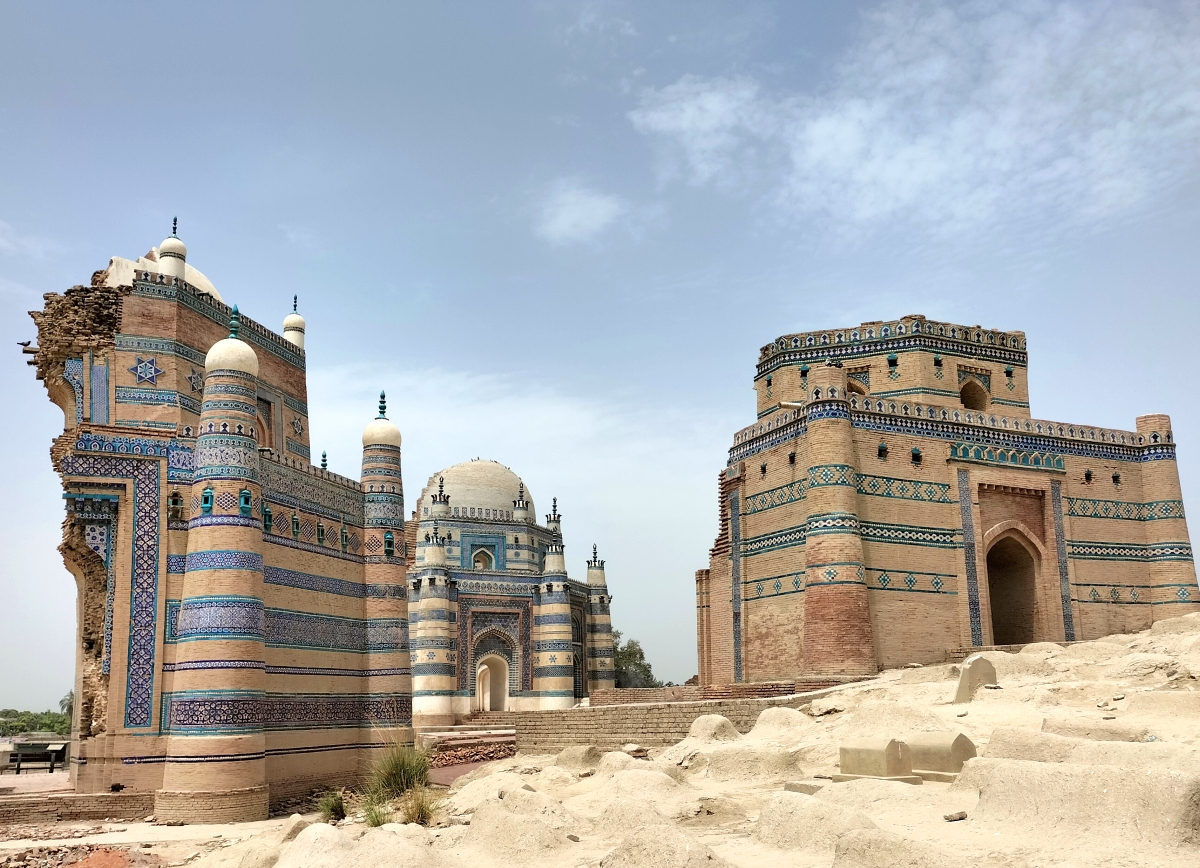
Located near the confluence of the Sutlej and Chenab rivers, Uch Sharif has been an important centre of Islamic scholarship and Sufi spirituality for more than eight centuries. The town became renowned after celebrated Sufi saints established religious schools and spiritual centres that attracted students from across Central and South Asia. The most famous monument is the beautifully decorated Tomb of Bibi Jawindi, built during the fifteenth century. Its octagonal design, intricate blue tile work and elegant calligraphy represent some of the finest examples of early Islamic architecture in Pakistan. Nearby stand the shrines of Hazrat Jalaluddin Surkh-Posh Bukhari and several other distinguished scholars whose influence helped shape the spiritual traditions of the region. Despite the passage of centuries, Uch Sharif remains a peaceful town where visitors can experience authentic religious heritage, remarkable architecture and the warm hospitality for which southern Punjab is famous.
Bahawalpur – The Royal City of the Desert
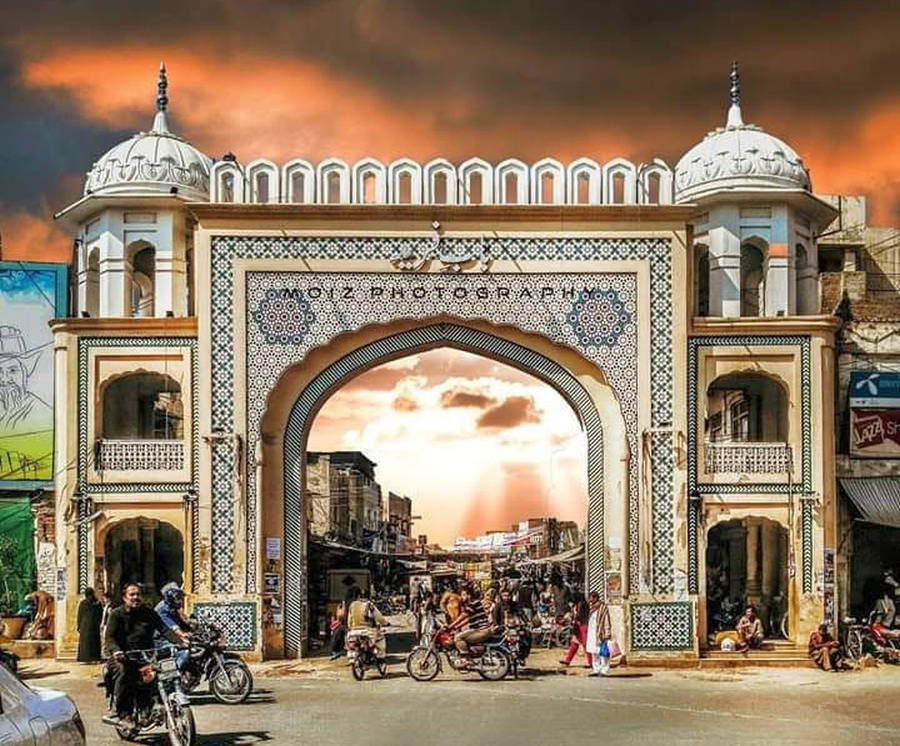
Bahawalpur was once the capital of the princely State of Bahawalpur, one of the wealthiest and most progressive princely states in the Indian Subcontinent. The city still reflects its royal heritage through elegant palaces, broad avenues, colonial-era buildings and beautifully maintained gardens. Situated on the edge of the Cholistan Desert, Bahawalpur serves as the gateway to Derawar Fort, Lal Suhanra National Park and numerous historical monuments associated with the former Nawabs. Visitors enjoy exploring local markets where colourful handicrafts, camel leather products, embroidered textiles and traditional Cholistani crafts are available. The city's relaxed atmosphere, fascinating history and strategic location make it an important stop on journeys through southern Pakistan. Bahawalpur also hosts several cultural festivals celebrating the music, dance, handicrafts and traditions of the Cholistan Desert, providing visitors with a deeper understanding of the unique heritage of this remarkable region.
Noor Mahal – A Palace Fit for Royalty
Completed in 1875 for Nawab Sadiq Muhammad Khan IV, Noor Mahal is one of Pakistan's most elegant royal palaces. Designed by a British architect in an Italian Renaissance style, the palace combines European grandeur with traditional Islamic decorative elements, creating one of the country's most distinctive architectural masterpieces. The palace features magnificent marble staircases, crystal chandeliers, richly decorated reception rooms, elegant balconies and beautifully landscaped gardens. Antique furniture, royal portraits and historical artefacts help visitors imagine the luxurious lifestyle of the Nawabs of Bahawalpur during the late nineteenth and early twentieth centuries. Although parts of the palace have served official functions over the years, extensive restoration has allowed visitors to once again appreciate its original splendour. Evening sound and light shows, when available, dramatically recount the history of Bahawalpur State through music, narration and colourful illumination. Noor Mahal stands as a remarkable reminder of Pakistan's royal heritage and is considered one of the country's finest surviving palace buildings.
The Journey Continues into Sindh
The final section of this Grand Tour explores the birthplace of the Indus Valley Civilisation and the cultural treasures of Sindh. Discover the mighty Derawar Fort, the historic river city of Sukkur, Kot Diji Fort, the UNESCO World Heritage Site of Mohenjo-daro, the spiritual centre of Sehwan Sharif, the vast walls of Ranikot Fort, the ancient city of Thatta, the remarkable Makli Necropolis, the beautiful Shah Jahan Mosque, the carved tombs of Chaukundi and finally the vibrant metropolis of Karachi.
Derawar Fort – The Majestic Fortress of the Cholistan Desert
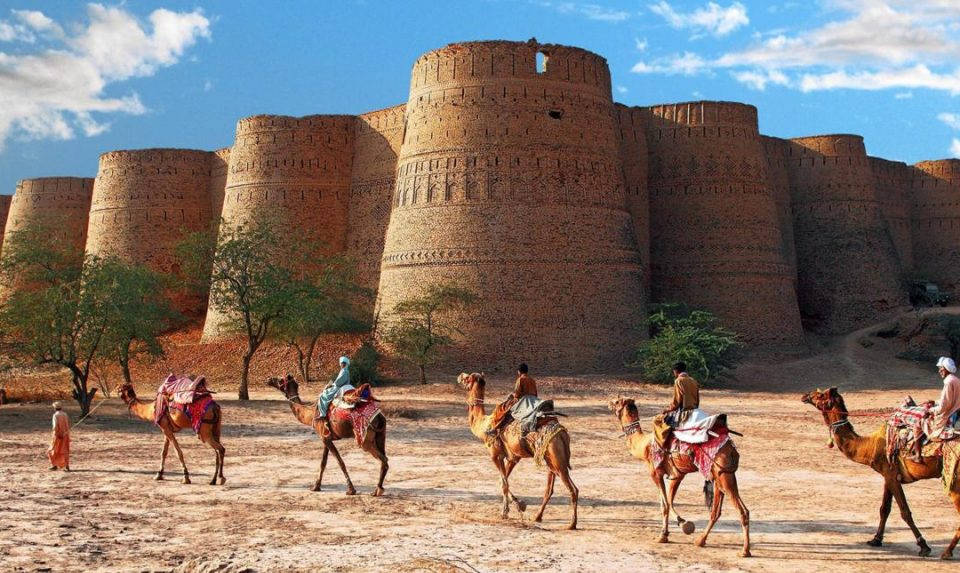
Rising dramatically from the golden sands of the Cholistan Desert, Derawar Fort is one of Pakistan's most spectacular historical monuments. Its forty massive circular bastions dominate the surrounding landscape and can be seen from many kilometres away. Covering an enormous area, the fort has become one of the most photographed landmarks in southern Pakistan. Although the original fort is believed to date back many centuries, the present structure was extensively rebuilt during the eighteenth century by the Nawabs of Bahawalpur. It served as an important military fortress protecting caravan routes that crossed the Cholistan Desert and linked Central Asia with the Indian Subcontinent. Visitors are amazed by the enormous defensive walls, elegant gateways and peaceful desert surroundings. Nearby stands the beautiful white marble Abbasi Mosque and the royal cemetery of the Bahawalpur rulers, making the area an important historical and cultural destination. Photographers particularly enjoy visiting Derawar during sunrise and sunset when the changing light transforms the massive sandstone walls into shades of gold, orange and crimson.
Sukkur – The Historic City on the Indus River
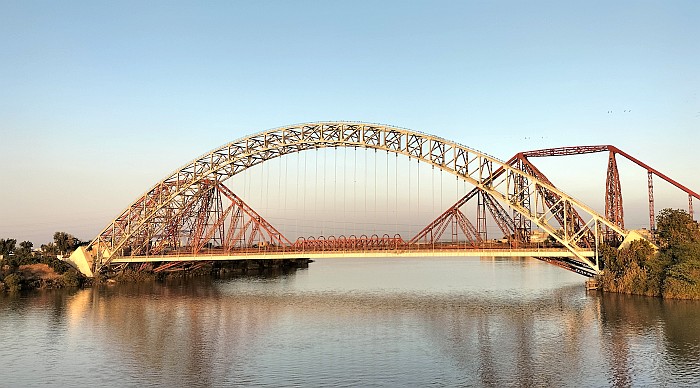
Situated on the banks of the mighty Indus River, Sukkur has served as a strategic trading centre for thousands of years. Its location at one of the most important crossing points of the Indus made it an essential stop for merchants, travellers and armies moving between northern and southern Pakistan. The city is famous for the elegant Lansdowne Bridge, completed in 1889, which was considered a masterpiece of nineteenth-century engineering. Nearby, the Ayub Bridge creates one of Pakistan's most recognisable river panoramas. Sukkur Barrage, completed in 1932, remains one of the world's largest irrigation systems and transformed agriculture across Sindh by supplying water to millions of hectares of farmland. Visitors also enjoy boat rides on the Indus, visits to Sadhu Bela Temple, bustling local markets and riverside promenades where families gather during the evening. Sukkur offers a fascinating combination of engineering, commerce, history and river culture that has shaped Sindh for centuries.
Kot Diji Fort – Guardian of the Indus Plains

Perched atop a rocky hill overlooking the fertile Indus plains, Kot Diji Fort is one of Sindh's finest surviving defensive structures. Built between 1785 and 1795 by Mir Sohrab Khan Talpur, the fort occupies a commanding strategic position from which approaching armies could easily be observed. Massive stone walls, watchtowers, gateways and defensive bastions remain remarkably well preserved. Visitors climbing to the summit are rewarded with sweeping views across surrounding villages, agricultural fields and distant hills. Equally important is the nearby archaeological site of Kot Diji, where excavations uncovered evidence of a sophisticated civilisation predating the Indus Valley Civilisation. These discoveries have greatly expanded our understanding of South Asia's earliest urban development. Together, the fort and archaeological site illustrate more than four thousand years of continuous human history in this remarkable region.
Mohenjo-daro – UNESCO World Heritage Site
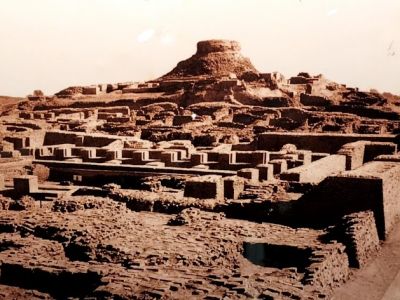
Few archaeological sites anywhere in the world can rival the historical importance of Mohenjo-daro. Built around 2500 BC, this extraordinary city was one of the principal urban centres of the Indus Valley Civilisation and is recognised as a UNESCO World Heritage Site. The city's carefully planned grid layout, sophisticated drainage systems, brick-built houses, public wells and monumental Great Bath demonstrate remarkable engineering and civic planning more than four thousand years ago. Walking through its ancient streets provides visitors with a rare opportunity to experience one of humanity's earliest planned cities. The nearby museum displays beautifully preserved pottery, jewellery, bronze tools, seals engraved with the mysterious Indus script and the famous bronze "Dancing Girl" replica, offering fascinating insights into one of history's most advanced Bronze Age societies. For archaeologists, historians and curious travellers alike, Mohenjo-daro remains one of Pakistan's greatest cultural treasures.
Sehwan Sharif – Spiritual Heart of Sindh

For centuries, Sehwan Sharif has been one of Pakistan's most important centres of Sufi spirituality. The town is home to the magnificent shrine of Hazrat Lal Shahbaz Qalandar, whose teachings of peace, tolerance and compassion continue to inspire millions of devotees. Pilgrims from every corner of Pakistan gather here throughout the year to pay their respects and participate in traditional devotional music known as Qawwali. The famous evening Dhamaal, a spiritual dance accompanied by rhythmic drums, creates an unforgettable cultural and religious experience. The beautifully decorated shrine combines Islamic architecture, colourful tile work and centuries of spiritual tradition, making Sehwan one of the country's most meaningful pilgrimage destinations. Visitors often remark on the remarkable atmosphere of harmony, hospitality and devotion that characterises this ancient town.
Ranikot Fort – The Great Wall of Sindh
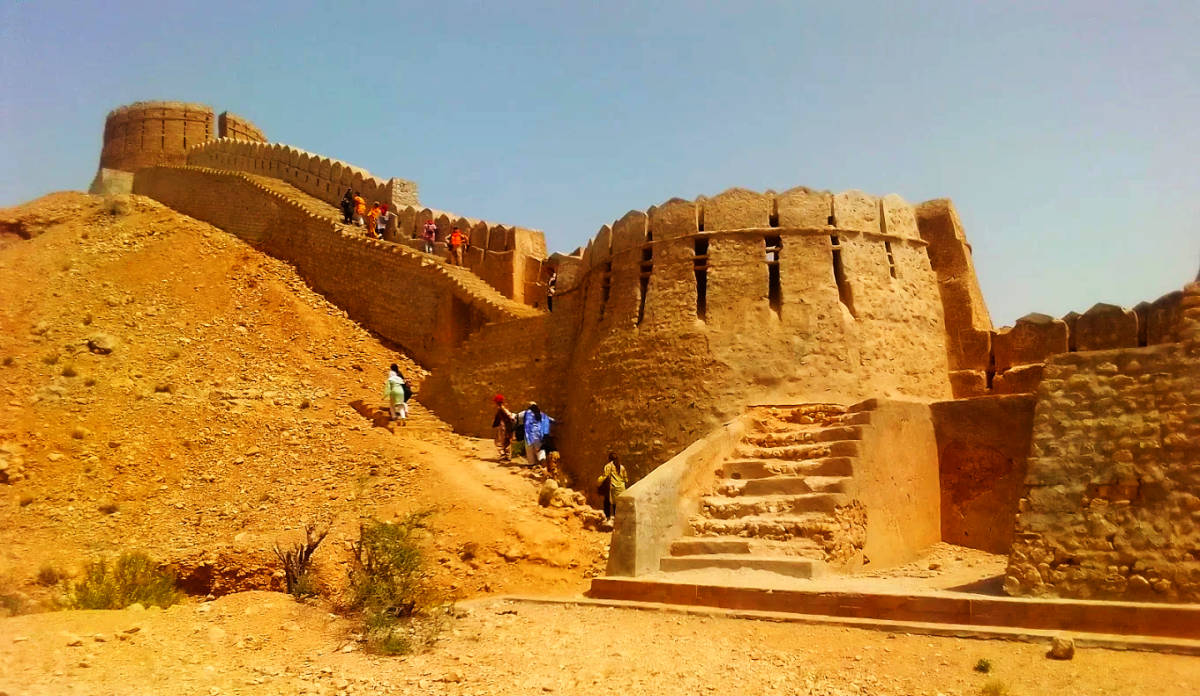
Known as the "Great Wall of Sindh", Ranikot Fort is widely believed to be the largest fortification in the world. Its massive defensive walls stretch for approximately 32 kilometres across rugged hills, enclosing valleys, watchtowers and ancient gateways. The exact origins of the fort remain uncertain, adding an element of mystery to this remarkable monument. Historians believe the structure has been repaired and expanded by several dynasties over many centuries. Within the enormous enclosure stand the historic forts of Meeri and Shergarh, while the surrounding hills offer outstanding hiking opportunities and panoramic views. Despite its immense size, Ranikot remains relatively undiscovered by international tourism, making it one of Pakistan's hidden historical gems. Visitors interested in military architecture, history and landscape photography will find Ranikot an unforgettable destination.
Thatta – Former Capital of Sindh
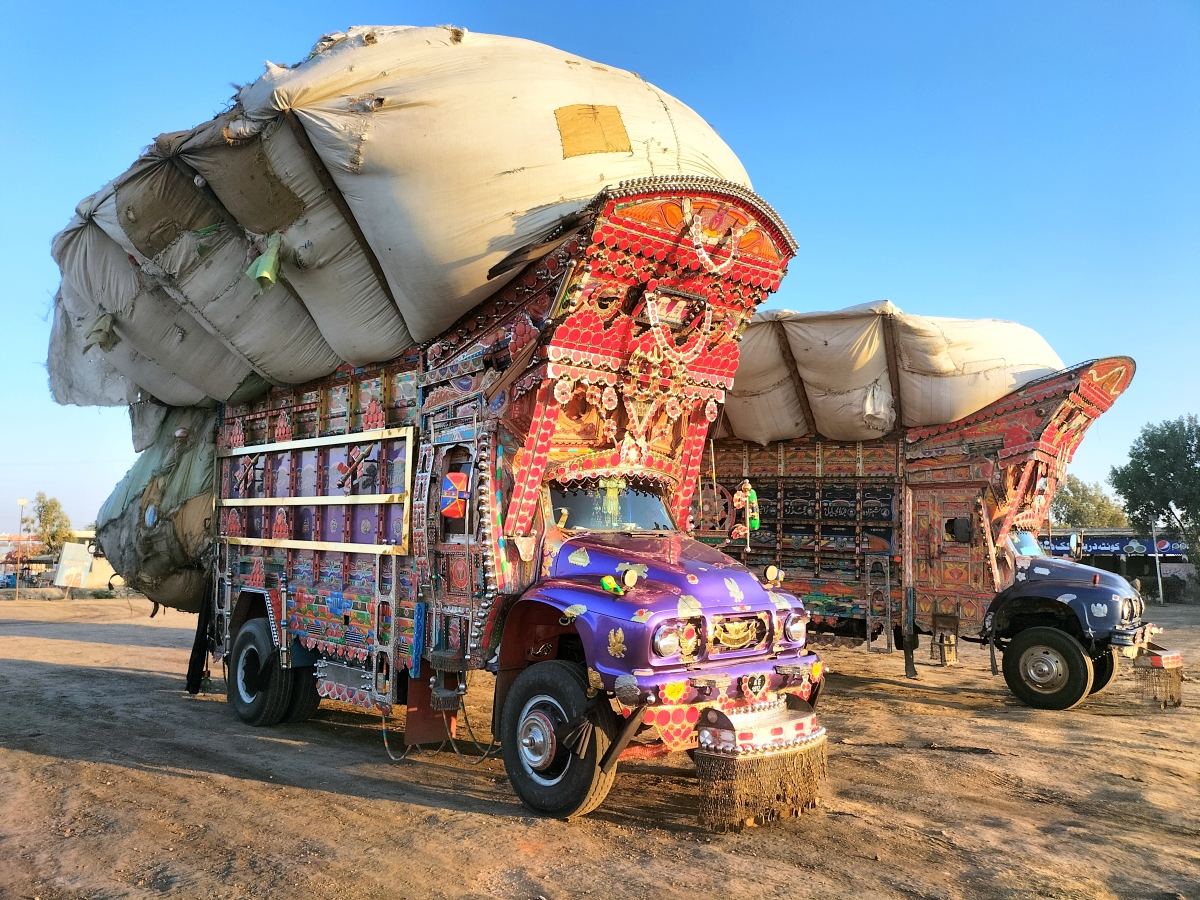
Located approximately 100 kilometres east of Karachi, Thatta was once among the richest and most influential cities of South Asia. During the Samma, Arghun and Mughal periods it flourished as an important centre of trade, scholarship and Islamic architecture. Merchants from Persia, Arabia and Central Asia visited Thatta, making it one of the great commercial cities of the medieval world. Today visitors explore magnificent monuments including the Shah Jahan Mosque, Makli Necropolis and Chaukundi Tombs, all within a short distance of one another. The surrounding countryside also produces some of Sindh's finest mangoes, bananas and vegetables thanks to irrigation from the Indus River. Thatta remains one of Pakistan's most rewarding destinations for travellers interested in history, architecture and cultural heritage.
Makli Necropolis – One of the World's Largest Cemeteries
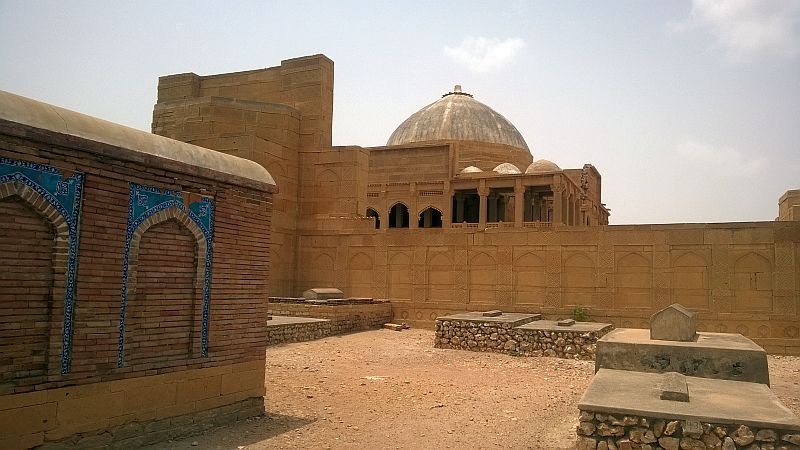
The remarkable Makli Necropolis is recognised by UNESCO as one of the world's largest funerary complexes. Covering more than ten square kilometres, it contains hundreds of thousands of tombs, mausoleums and monuments dating between the fourteenth and eighteenth centuries. Kings, queens, governors, generals, scholars, saints and poets were buried here, creating an extraordinary open-air museum of Islamic architecture. The monuments display remarkable craftsmanship featuring carved sandstone, glazed tiles, Persian calligraphy, intricate geometric patterns and beautiful floral decoration. Walking through Makli offers visitors a unique opportunity to explore centuries of Sindh's political, religious and artistic history within a peaceful and atmospheric landscape.
Shah Jahan Mosque – Masterpiece of Mughal Architecture
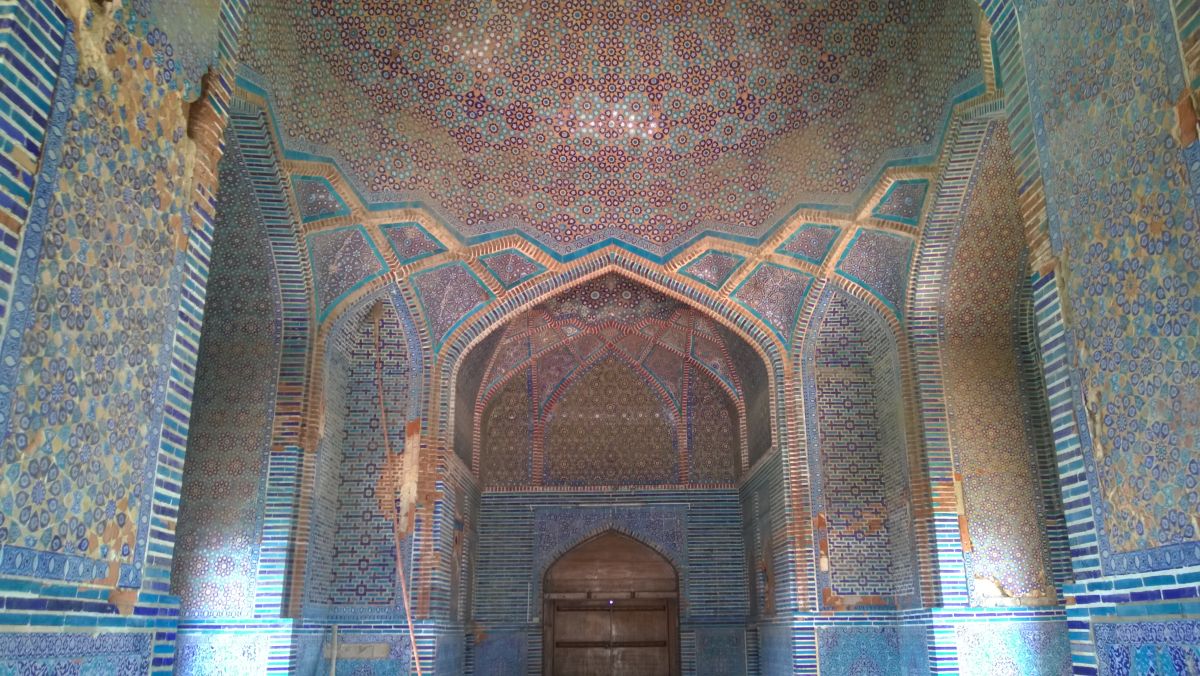
Constructed in 1647 during the reign of the Mughal Emperor Shah Jahan, the Shah Jahan Mosque in Thatta is regarded as one of Pakistan's finest examples of Islamic architecture. Unlike many Mughal mosques, it was built entirely from brick rather than red sandstone or marble. The structure contains ninety-three elegant domes designed to create remarkable natural acoustics, allowing the Imam's voice to be heard throughout the prayer hall without amplification. The interior is richly decorated with blue glazed tiles, floral patterns, geometric motifs and exquisite calligraphy inspired by Persian artistic traditions. Architects and historians consider the mosque one of the greatest surviving masterpieces of Mughal engineering and decorative design.
Chaukundi Tombs – Stone Masterpieces of Sindh
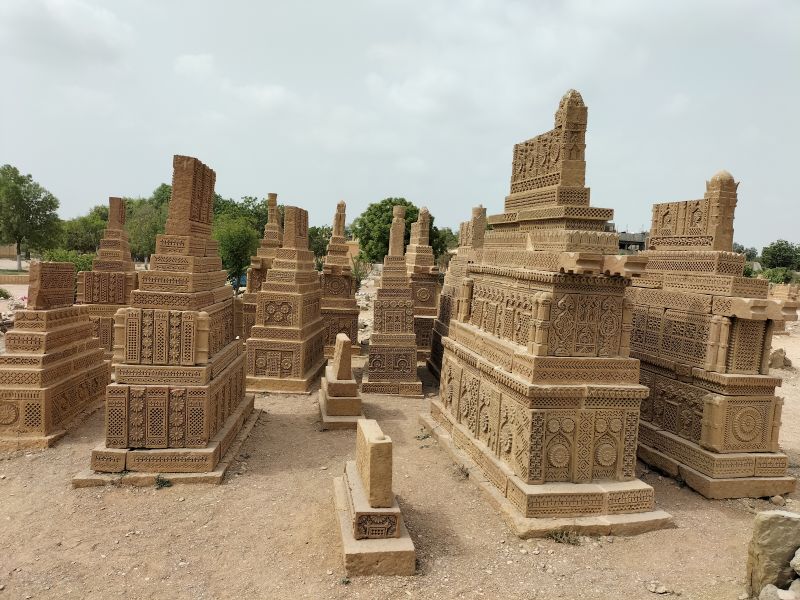
Located on the outskirts of Karachi, the Chaukundi Tombs are famous for their beautifully carved sandstone graves dating from the fifteenth and sixteenth centuries. The monuments belong primarily to the Jokhio and Baloch tribes and are decorated with intricate floral designs, geometric patterns, horse riders, jewellery motifs and detailed calligraphy. Every tomb tells a unique story, preserving centuries of local history and artistic tradition. The exceptional craftsmanship displayed here makes Chaukundi one of the finest examples of medieval stone carving in South Asia and an important stop for visitors interested in archaeology and Islamic art.
Karachi – Pakistan's Gateway to the Arabian Sea
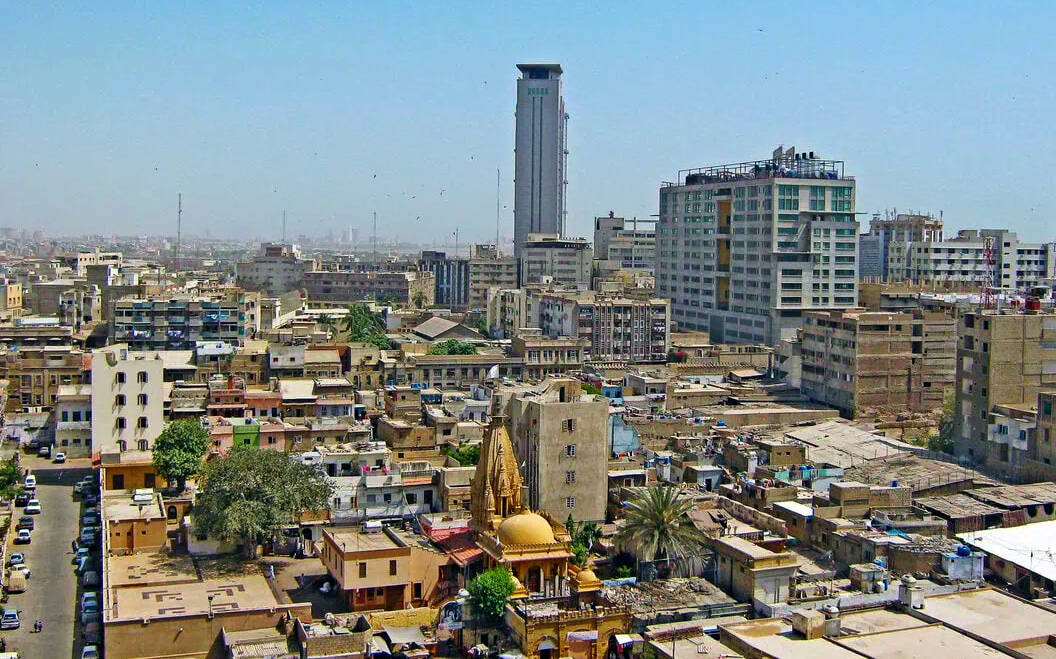
Karachi, Pakistan's largest city and financial capital, is a vibrant metropolis where history, culture and modern development come together on the shores of the Arabian Sea. Home to more than twenty million people, the city serves as Pakistan's principal seaport and commercial centre. Visitors can explore numerous attractions including the magnificent Mazar-e-Quaid, the final resting place of Pakistan's founder Muhammad Ali Jinnah, the elegant Mohatta Palace Museum, Frere Hall, Empress Market, Clifton Beach and the modern waterfront developments along the coast. Karachi is equally celebrated for its diverse cuisine. From traditional Sindhi and Balochi dishes to fresh seafood and international restaurants, the city offers one of South Asia's richest culinary experiences. The city's multicultural population reflects centuries of migration and trade, creating a fascinating blend of languages, religions and traditions. As the final destination of this Grand Tour, Karachi provides a fitting conclusion to an unforgettable journey through Pakistan's mountains, deserts, ancient civilisations, Mughal monuments and vibrant modern cities.
Discover the Real Pakistan with Travel.web.pk
This carefully designed Grand Tour takes you from the spectacular peaks of the Karakoram to the shores of the Arabian Sea, revealing over 5,000 years of history, six UNESCO World Heritage Sites, magnificent mountain scenery, ancient civilisations, colourful bazaars and the legendary hospitality of the Pakistani people. Whether you are passionate about archaeology, photography, wildlife, culture, architecture or adventure, this journey offers an unrivalled introduction to one of the world's most fascinating travel destinations.
Travel.web.pk
Specialists in Pakistan Cultural Tours, Historical Expeditions, Adventure Holidays, Private Tours and Tailor-Made Travel throughout Pakistan.
Email: info@travel-culture.com
Website: https://www.travel-culture.com