
Mausoleum of Hazrat Khaliq Wali (Also Known as Khalid Waleed Tomb) – A 900-Year-Old Glory of Kabirwala
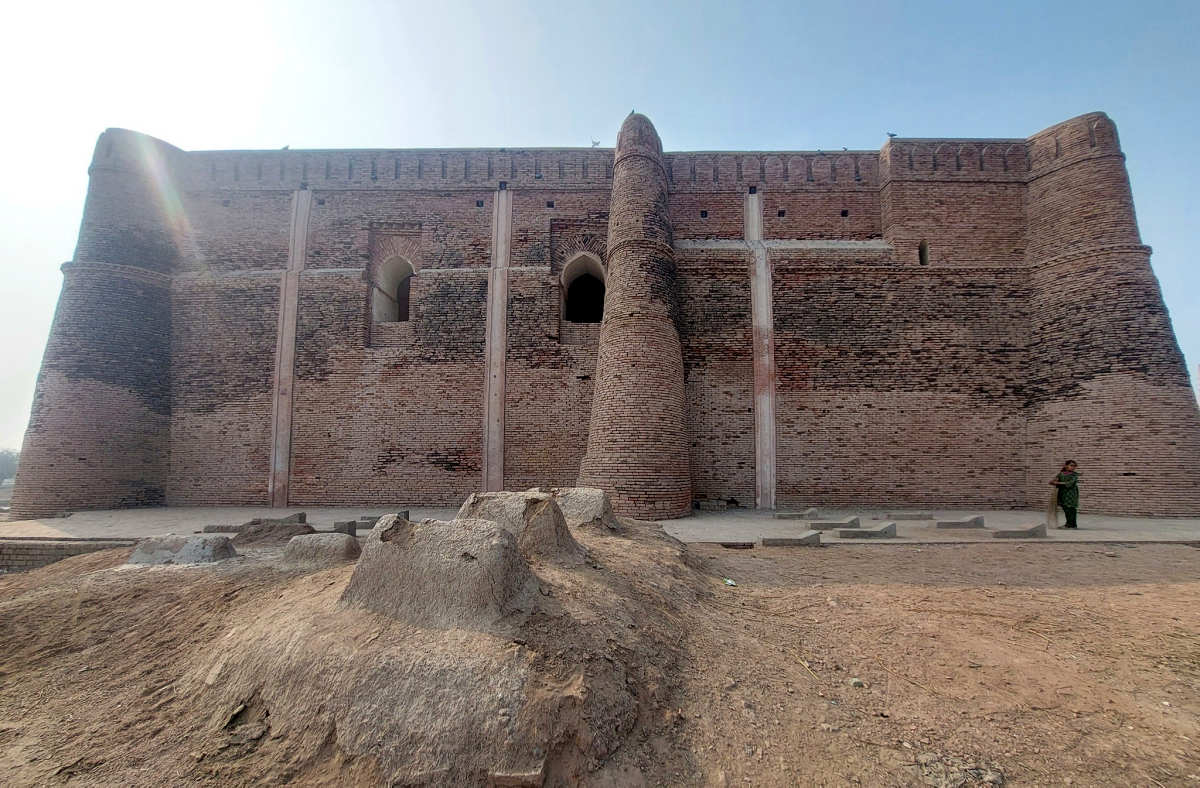
Located near Kabirwala in District Khanewal, Punjab, this remarkable ancient mausoleum stands as one of the earliest examples of Islamic architecture in the Indian subcontinent. The monument is popularly known as the Mausoleum of Hazrat Khaliq Wali and locally referred to as the Tomb of Khalid Waleed. However, it is important to clarify that this site is not the shrine of the famous Companion of the Prophet, Khalid ibn al-Walid (RA). Instead, it is attributed to a revered spiritual figure, Hazrat Khaliq Wali (RA).
The mausoleum is situated in the village of Khattee Chore near Kabirwala. According to archaeological experts, the structure dates back to the 12th century CE. Historical records and documentation from the Punjab Department of Archaeology indicate that the construction took place between 1175 and 1186 CE during the governorship of Ali bin Karmakh in Multan, under the influence of the Ghurid Sultanate.
Architectural Significance
This mausoleum is considered one of the earliest surviving Islamic brick structures in South Asia.
- Rectangular layout.
- Circular bastion-like towers at all four corners, giving it a fortress-like appearance.
- A mihrab (prayer niche) built into the western wall.
- Quranic inscriptions in Kufic script once adorned the mihrab.
- Simple yet dignified baked brick decoration reflecting early Islamic aesthetics.
The design recalls the early Islamic shrines of Multan and Uch Sharif, demonstrating how quickly Islamic architectural identity established itself in this region. The structure represents a transitional style between the Ghaznavid and Ghurid periods.
Historical Background
According to local traditions, Hazrat Khaliq Wali (RA) was a spiritual personality who came to this region to spread Islamic teachings. Although detailed biographical records are limited, the structure clearly belongs to the early era of Muslim rule in the subcontinent.
During British rule, the mausoleum was mentioned in archaeological survey reports. Later, it was declared a protected heritage site by the Government of Punjab. Over time, restoration and conservation efforts have been carried out to preserve this valuable historical monument for future generations.
Cultural and Religious Importance
Today, the mausoleum holds both religious reverence and historical importance. The silent bricks, the ancient mihrab, and centuries of stillness connect visitors to a distant past. It stands as a reminder that Kabirwala and its surrounding areas are not only fertile agricultural lands but also custodians of rich history.
Preserving such monuments is essential so that future generations may understand and appreciate the deep historical roots of this region.

Advertisement
Advertise on this site click for advertising rates