
The Day Queen Victoria Welcomed Imam Sultan Muhammad Shah Aga Khan
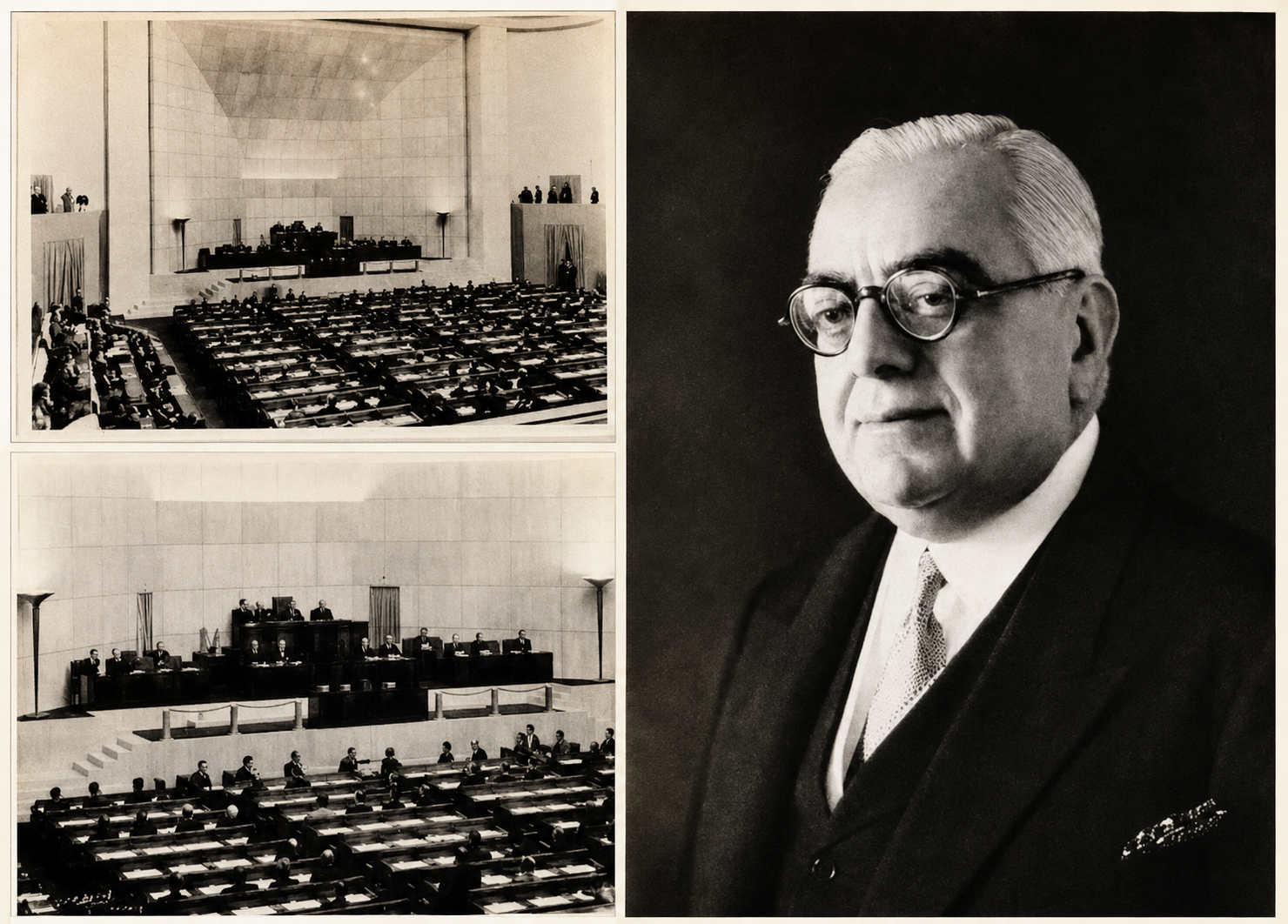
At the end of the nineteenth century, the world was undergoing major political and social transformations. The British Empire stood at the height of its power, and India was one of its most important territories. During this era, it was extremely rare for an Indian personality to receive extraordinary respect in the royal courts of Europe. Among the few who achieved such distinction was the 48th Ismaili Imam, Imam Sir Sultan Muhammad Shah Aga Khan III.
In 1898, Imam Sultan Muhammad Shah Aga Khan embarked on his first official tour of Europe. During this historic journey, he visited both France and the United Kingdom. In Britain, he received a warm and distinguished welcome and was invited to Windsor Castle for an audience with Queen Victoria.
According to historical accounts, a royal banquet was organized at Windsor Castle attended by ambassadors and important dignitaries from various nations. Imam Sultan Muhammad Shah was given exceptional honor during the event, and Queen Victoria herself reportedly came to the entrance to welcome him personally. Such treatment was considered extraordinary even for Indian princes and rulers of that era.
The British government recognized Imam Sultan Muhammad Shah’s influence and contributions by awarding him the honorary title of “Knight Commander of the Indian Empire” (K.C.I.E.). During the same visit, he also had the opportunity to meet the future King Edward VII.
A London newspaper, “The Saint,” published a report on July 22, 1898, describing the event in remarkable detail. According to the report, Queen Victoria gave Aga Khan exceptional respect during the royal banquet, surprising many foreign diplomats present at the gathering. Tradition holds that when questioned about this honor, the Queen explained that Aga Khan was a spiritual leader deserving of such distinction.
Following this European visit, rulers and dignitaries from France, Germany, Italy, Belgium, and several other countries reportedly invited Imam Sultan Muhammad Shah Aga Khan to visit their nations. This demonstrated that his influence extended far beyond the Indian subcontinent and that he was recognized internationally as both a spiritual and political leader.
Imam Sultan Muhammad Shah was not only a religious figure but also an accomplished statesman and reformer. He played a major role in promoting education, social development, and modern thinking among Muslims. His contributions to the political awakening and advancement of Muslims in the Indian subcontinent remain historically significant.
It is also noteworthy that Imam Sultan Muhammad Shah served as President of the League of Nations from 1936 to 1937. The League of Nations later became the foundation upon which the United Nations was established. For a Muslim leader from India to preside over such an important international organization during that period was considered a remarkable achievement.
The life of Imam Sultan Muhammad Shah Aga Khan remains an example of how wisdom, diplomacy, spiritual leadership, and global vision can earn admiration and respect across nations and cultures. His historic visit to Europe and meeting with Queen Victoria continue to be remembered as one of the most fascinating episodes of that era.


Advertisement
Advertise on this site click for advertising rates