Adapted and expanded from an article by José Luis Perelló.
In recent years, modern travelers have increasingly searched for experiences that go beyond traditional sightseeing. Many no longer wish to simply visit famous monuments, stay in hotels, take photographs and return home. Instead, they seek meaningful encounters with local people, opportunities to learn about different cultures, and ways to contribute positively to the places they visit. This desire has contributed to the rise of a travel trend known as voluntourism.
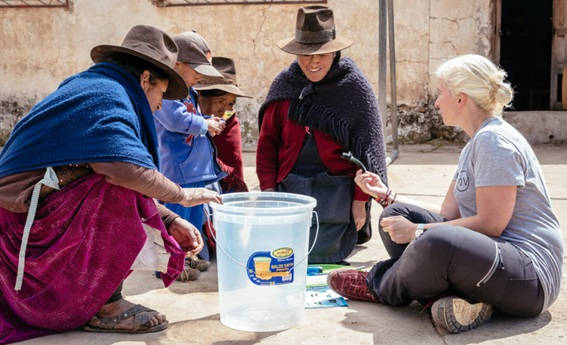
Voluntourism, a combination of the words "volunteering" and "tourism," refers to travel experiences that combine leisure activities with participation in projects intended to benefit local communities. These projects may involve education, environmental conservation, heritage preservation, healthcare support, community development, wildlife protection or other social initiatives.
The concept emerged during the 1990s as an extension of both international volunteering and ecotourism. Since then, it has grown into a global industry involving thousands of travelers each year who seek purpose-driven journeys that combine adventure with social responsibility.

Voluntourism programs vary considerably from one destination to another. Some travelers spend a few days helping local schools, while others participate in environmental conservation projects, assist with archaeological documentation, contribute to community development initiatives, or support local organizations engaged in social work.
The key distinction between voluntourism and traditional tourism is active participation. Rather than being passive observers, visitors become temporary contributors to projects designed to improve local conditions or protect cultural and natural resources.
Many participants report that these experiences provide deeper cultural immersion than conventional tours. Living and working alongside local residents often creates stronger personal connections and a more nuanced understanding of local challenges and achievements.

The popularity of voluntourism reflects broader changes in global travel behavior. Younger generations in particular increasingly prioritize authentic experiences, sustainability and social impact over luxury alone. Travel has become not merely a leisure activity but also a means of education, personal development and cross-cultural understanding.
This shift has encouraged tourism companies, non-governmental organizations and local communities to develop programs that combine travel experiences with opportunities for meaningful engagement.
Many destinations now actively promote community-based tourism, village stays, conservation projects and cultural exchange programs as alternatives to mass tourism. These initiatives often seek to distribute tourism income more equitably while preserving local traditions and natural environments.
Supporters of voluntourism point to numerous potential benefits. Travelers gain firsthand exposure to different cultures and social realities while developing a deeper appreciation of global diversity. Communities may receive financial support, international exposure, specialized skills or additional manpower for ongoing projects.
Environmental initiatives can benefit from volunteer assistance in activities such as reforestation, wildlife monitoring, waste management and conservation awareness campaigns. Cultural heritage projects may receive support for documentation, preservation and educational outreach.
Many participants describe voluntourism as a transformative experience that broadens perspectives and encourages long-term involvement in social and environmental causes.
When designed responsibly, voluntourism can also strengthen local economies by directing tourism spending toward community-owned accommodations, local guides, traditional crafts and locally managed tourism enterprises.
Despite its positive intentions, voluntourism has attracted substantial criticism from academics, development specialists and humanitarian organizations.
Critics argue that some programs prioritize the visitor's experience rather than the needs of local communities. In certain cases, projects may be created primarily to satisfy tourists seeking meaningful experiences rather than addressing genuine development priorities.
Questions have also been raised about the effectiveness of short-term volunteer projects. Critics ask whether visitors staying for only a few days or weeks can truly contribute to long-term development goals.
Some experts warn that untrained volunteers may unintentionally perform tasks that could be better handled by local professionals, potentially reducing local employment opportunities rather than supporting them.
Another criticism concerns the way host communities are sometimes portrayed. Images shared on social media often focus heavily on poverty, hardship and underdevelopment. While these realities may exist, critics argue that such portrayals can create simplistic narratives that fail to recognize the complexity, dignity and resilience of local societies.
Some researchers suggest that these representations may reinforce stereotypes that divide the world into wealthy helpers and impoverished recipients. Such narratives can unintentionally undermine genuine cultural understanding and mutual respect.
Several scholars have examined voluntourism through the lens of colonial history. They argue that some programs reproduce historical patterns in which visitors from wealthier countries are positioned as saviors while local populations are portrayed primarily as recipients of assistance.
This criticism is particularly relevant in parts of Africa, Latin America and Asia where colonial histories continue to influence international perceptions and development relationships.
While many voluntourism organizations actively seek to avoid these pitfalls, the debate highlights the importance of local leadership, community participation and long-term planning.
Most experts agree that voluntourism can be beneficial when implemented ethically and responsibly. Successful programs typically begin with community needs rather than tourist expectations. Local residents should participate in planning and decision-making, and projects should contribute to long-term objectives that continue after visitors depart.
Transparency, accountability and sustainability are essential principles. Travelers should carefully research organizations, understand project goals and ensure that their participation supports rather than disrupts local initiatives.
Responsible voluntourism should emphasize partnership rather than charity, cultural exchange rather than paternalism, and sustainability rather than short-term impact.
Pakistan is increasingly emerging as a destination for travelers seeking authentic cultural experiences and meaningful engagement with local communities. Although the country is not yet widely recognized as a voluntourism destination, it possesses enormous potential for responsible and community-based tourism.
Pakistan's diverse landscapes, ancient civilizations, mountain cultures and living traditions provide unique opportunities for cultural exchange. Visitors can explore communities that have preserved distinctive ways of life for centuries while contributing to local economies through responsible tourism practices.
The mountain communities of Hunza, Nagar, Skardu and other parts of Gilgit-Baltistan have become international examples of community-based tourism. Local guesthouses, family-run hotels and village organizations increasingly play central roles in tourism development.
Visitors often participate in cultural activities, local festivals, agricultural traditions and environmental initiatives. These interactions create economic opportunities for remote communities while allowing travelers to experience genuine hospitality and cultural exchange.
Conservation projects related to glaciers, water management and mountain ecosystems also provide opportunities for educational and volunteer-oriented travel experiences.
The Kalash Valleys of Chitral offer another example of tourism contributing to cultural preservation. Travelers interested in anthropology, heritage and indigenous cultures can learn about the traditions, festivals and beliefs of the Kalash people.
Responsible tourism helps support local livelihoods while encouraging the preservation of cultural practices that might otherwise face increasing pressure from modernization and migration.
Pakistan possesses one of the world's richest archaeological landscapes, including the civilizations of the Indus Valley, Gandhara and numerous Islamic dynasties. Sites such as Mohenjo-daro, Taxila, Makli, Rohtas Fort and Lahore Fort represent thousands of years of human history.
Educational tourism programs focused on archaeology, heritage interpretation and historical research can help increase awareness of these remarkable sites while generating resources for preservation and conservation efforts.
In rural Sindh, visitors can experience traditional crafts, Sufi heritage, agricultural communities and historic settlements that remain largely untouched by mass tourism. Community tourism initiatives can provide alternative income sources while helping preserve local traditions and handicrafts.
Such experiences often create meaningful connections between travelers and local families, fostering mutual understanding and respect.
Pakistan's national parks, wetlands, forests and mountain ecosystems face many environmental challenges. Educational tourism programs focusing on biodiversity, conservation and environmental awareness can contribute to greater understanding of these issues.
Responsible visitors can support conservation efforts by participating in educational activities, supporting eco-friendly accommodations and promoting sustainable travel practices.
Travel & Culture Services Pakistan, operating through www.travel-culture.com, has long promoted cultural exchange and responsible tourism throughout Pakistan. The company works closely with international partners, including Spanish tour operators and travel specialists, to introduce visitors to Pakistan's cultural heritage, mountain communities, archaeological treasures and living traditions.
Rather than focusing solely on sightseeing, many modern itineraries encourage interaction with local communities, artisans, historians, educators and conservationists. Such experiences help visitors gain a deeper understanding of Pakistan while ensuring that tourism benefits local populations.
As interest in responsible tourism continues to grow worldwide, Pakistan is increasingly well positioned to attract travelers seeking authentic experiences, cultural immersion and meaningful engagement with local communities.
Voluntourism remains one of the most debated trends in modern travel. Its supporters see it as a powerful tool for cultural understanding, sustainable development and global citizenship. Its critics warn against unintended consequences, ineffective projects and the commercialization of social issues.
The future of voluntourism will likely depend on ethical practices, community leadership and a commitment to sustainability. Programs that prioritize local needs, respect cultural diversity and encourage genuine partnerships are most likely to create lasting positive outcomes.
For destinations such as Pakistan, responsible tourism offers a unique opportunity to showcase cultural richness, support local communities and build meaningful connections between people from different parts of the world.
Source: Adapted and expanded from the Spanish article "Especial TTC – Tendencias de viajes: una mirada crítica al volunturismo" by José Luis Perelló, with additional analysis relating to Pakistan, community-based tourism and sustainable travel.
[an error occurred while processing this directive]