
Masoom Shah Minaret – The Silent Yet Magnificent Mughal Landmark of Sukkur
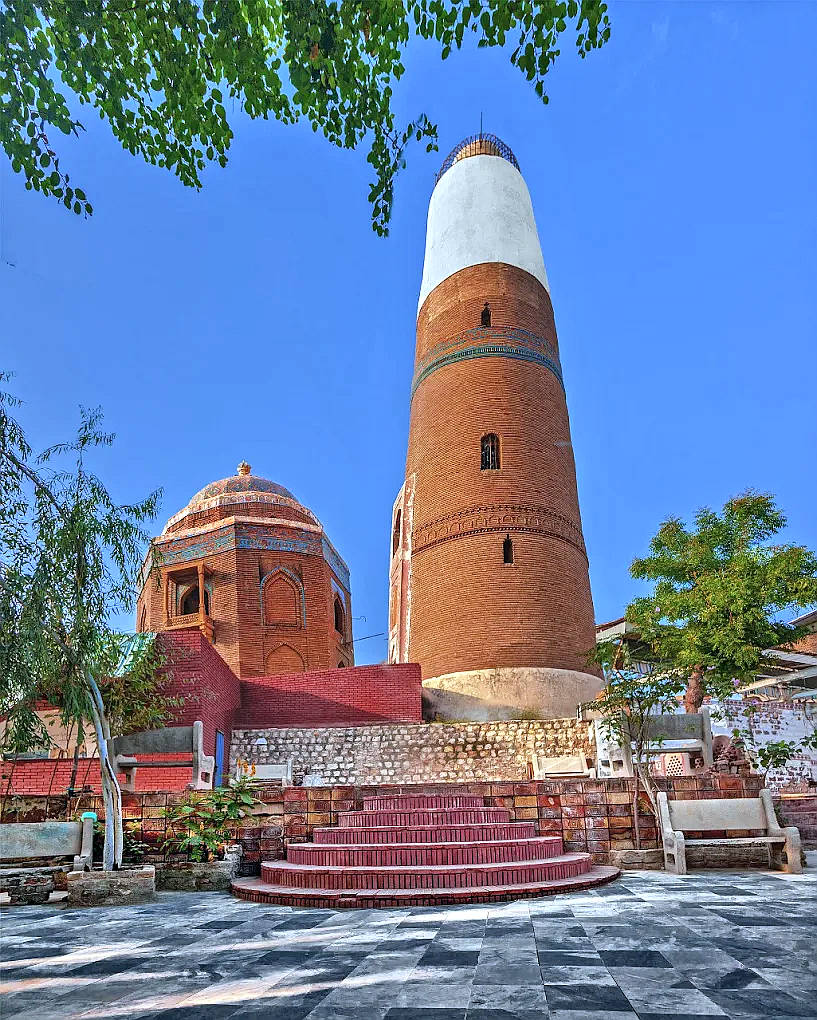
Standing gracefully near the banks of the mighty Indus River in the historic city of Sukkur, the Masoom Shah Minaret is one of the most remarkable Mughal-era monuments in Sindh. This towering structure is not merely a tall brick monument; it is a symbol of history, scholarship, architecture, and cultural heritage.
For centuries, the minaret has remained one of the most recognizable landmarks of Sukkur, attracting historians, photographers, travelers, and heritage lovers from across Pakistan and beyond.
Who Was Mir Muhammad Masoom Bakhri?
Mir Muhammad Masoom Bakhri was one of the great scholars and personalities of the 16th century. He was known as a historian, poet, physician, calligrapher, and Mughal military commander.
He served in the court of Emperor Akbar and was also appointed governor of Sindh and Sibi. His famous historical work, Tarikh-e-Masoomi, is considered one of the earliest authentic historical books about Sindh and remains an important source for researchers studying the region’s past.
Construction of the Minaret
According to historical traditions, the construction of the Masoom Shah Minaret began between 1594 and 1595 during the Mughal era. Different historical references suggest that the monument was completed sometime between 1605 and 1618.
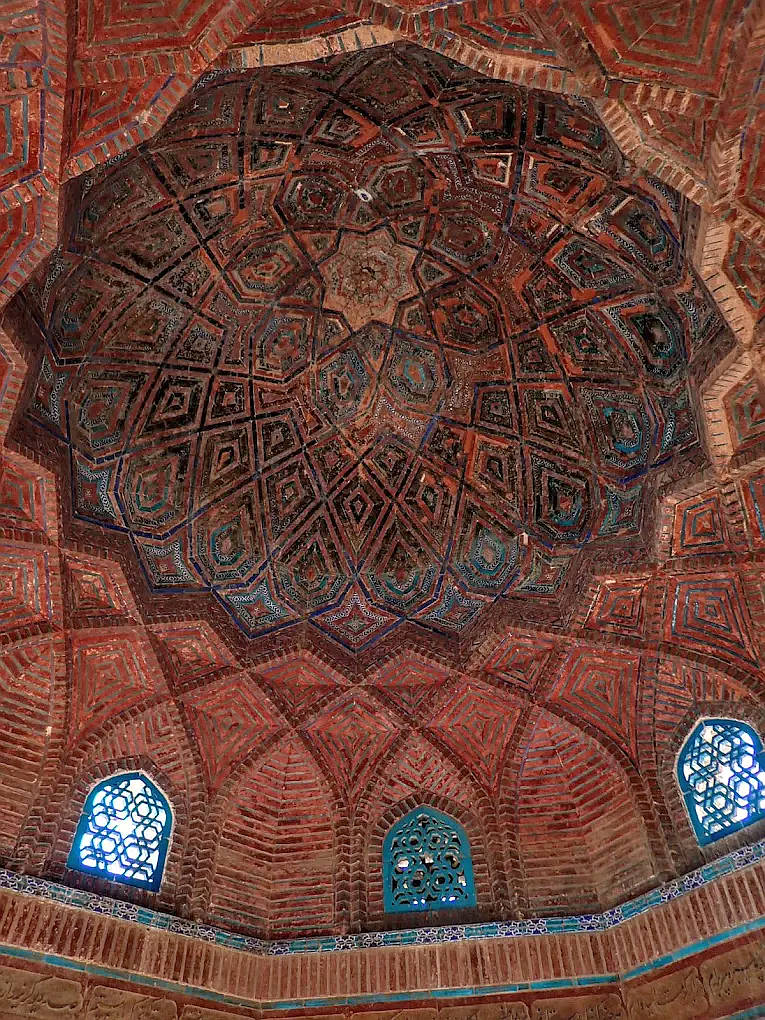
It is believed that Mir Masoom Shah personally supervised the construction of the monument, while his sons completed the work after his death.
Architectural Features
The Masoom Shah Minaret is built in a conical style using beautiful red bricks and rises approximately 84 feet high.
An interesting feature of the monument is the repeated association with the number 84:
- The height of the minaret is approximately 84 feet.
- The circumference of the base is also connected to the number 84.
- The internal staircase contains 84 steps.
Inside the tower, a spiral staircase leads visitors to the top, where breathtaking views of Sukkur city and the Indus River can be seen.
The Leaning Structure
The Masoom Shah Minaret is also famous for its slight tilt. Some historians consider this leaning shape to be the result of a construction flaw, while others believe it developed after the powerful earthquake of 1828.
Despite this slight inclination, the monument has survived for centuries and continues to stand proudly over Sukkur.
The Historic Complex and Tombs
The large surrounding complex serves as the final resting place of Mir Masoom Shah and members of his family. Beautiful stone platforms, Persian inscriptions, and Quranic calligraphy within the complex reflect the artistic excellence and Islamic architectural traditions of the Mughal period.
The site provides visitors with a peaceful atmosphere filled with history and spirituality.
Current Condition and Preservation
Although the Masoom Shah Minaret remains one of the defining symbols of Sukkur, many parts of the monument have suffered due to weather, age, and insufficient maintenance.
Archaeologists and heritage experts believe that the monument urgently requires conservation and restoration work to ensure that future generations can continue to admire this extraordinary piece of Sindh’s history.
Visit Sukkur with Travel & Culture Services
Travel & Culture Services offers guided tours to Sukkur and surrounding heritage sites of Sindh. Our tours include visits to the famous Masoom Shah Minaret as well as other important landmarks of Sukkur and the Indus River region.
During our Sukkur tours, travelers can explore:
- Masoom Shah Minaret
- Lansdowne Bridge
- Sadhu Bela Temple
- Sukkur Barrage
- Historic old Sukkur
- River Indus viewpoints
- Traditional Sindhi culture and local markets
Our tours are suitable for cultural travelers, students, photographers, researchers, and visitors interested in the rich heritage of Sindh.
Location
Masoom Shah Minaret
Sukkur, Sindh, Pakistan
The Masoom Shah Minaret is one of the great historical treasures of Sindh and a lasting reminder of the Mughal presence in the region. Rising quietly above Sukkur, this remarkable structure continues to tell stories of scholarship, architecture, history, and the cultural richness of Pakistan.
For anyone visiting Sukkur, the minaret remains an essential stop and an unforgettable experience along the banks of the Indus River.
Important Note: This article is intended to promote awareness about Pakistan’s historical heritage. The information presented is for educational and cultural purposes only and does not represent any specific belief or ideology.

Advertisement
Advertise on this site click for advertising rates