
Lal Mahra Tombs – The Forgotten Mysteries Standing Silently Near the Indus River
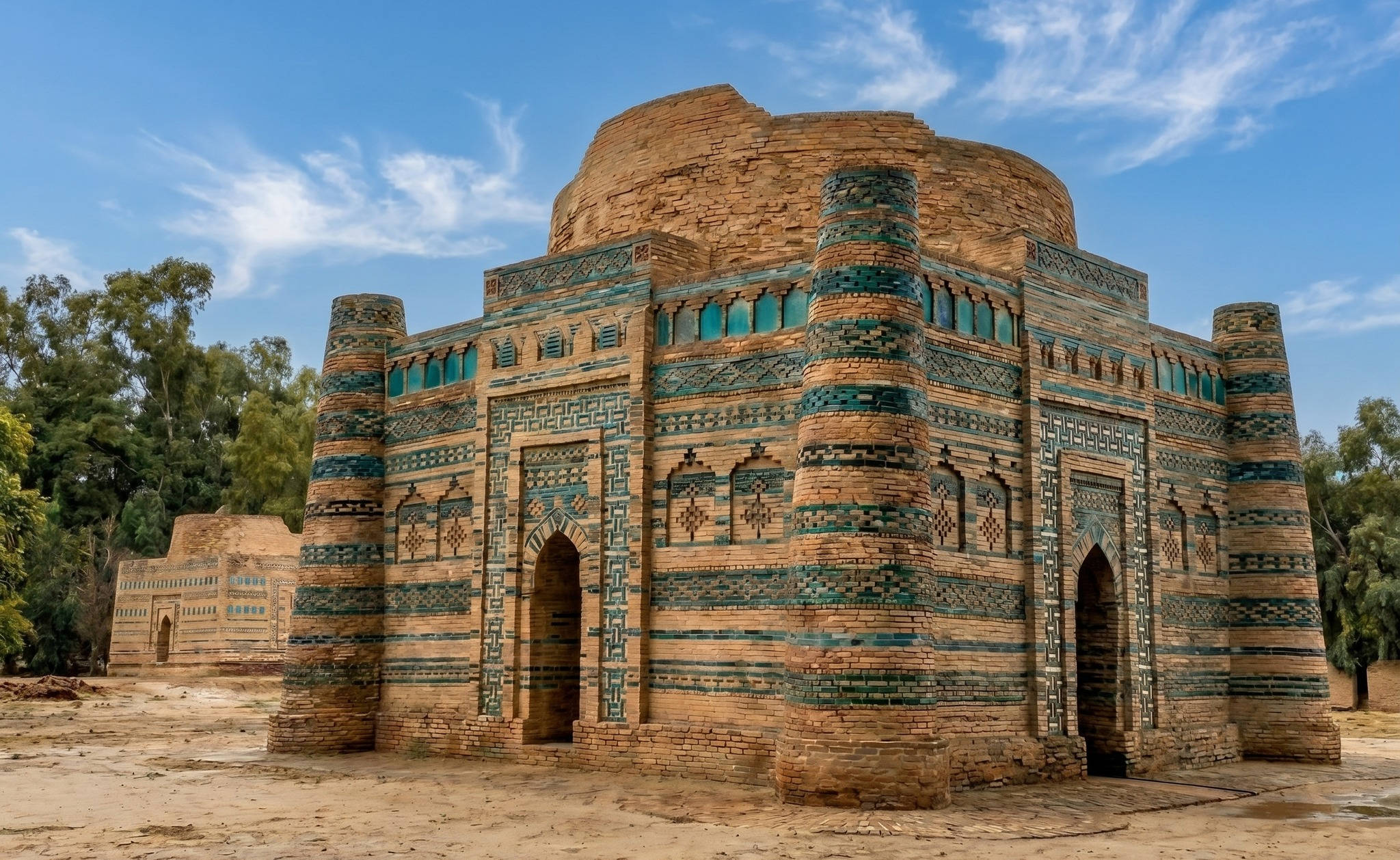
Hidden in the peaceful agricultural landscape of Dera Ismail Khan in Khyber Pakhtunkhwa, the mysterious Lal Mahra Tombs continue to guard secrets buried for centuries. These remarkable structures stand silently near the mighty Indus River, wrapped in mystery, history, and forgotten legends.
No clear inscriptions, no complete historical records, and no definite answers exist about who built these tombs or for whom they were constructed. Only weathered bricks, faded blue tiles, and centuries of silence remain to tell their story.
Location of Lal Mahra Tombs
The Lal Mahra Tombs are located near the Indus River on Bakkhar Road in District Dera Ismail Khan, Khyber Pakhtunkhwa, Pakistan. The site lies approximately one hour from Dera Ismail Khan city and can be reached through rural agricultural areas that still preserve the atmosphere of old frontier lands.
A Historical Mystery
Archaeologists and historians have long debated the origin of these tombs. Even today, there is no complete agreement regarding the exact period in which they were built.
- Some experts believe the tombs belong to the Ghaznavid period of the 11th and 12th centuries.
- Renowned historian Dr. Ahmad Hasan Dani compared their architecture to the Tughlaq era.
- Another local tradition suggests that these tombs may contain the graves of generals and princes killed during great battles against the Mongols.
The area once stood close to the ancient route connecting “Hashtnagar to Multan,” a historic passage used by armies, traders, and caravans for centuries. This strategic location may explain why such monumental tombs were constructed here.
Architectural Beauty
The Lal Mahra Tombs represent a fascinating blend of Islamic and Central Asian architectural styles. Despite the damage caused by time and neglect, the surviving structures still display remarkable craftsmanship.
- Originally, there were 11 tombs at the site.
- Only 4 tombs survive today.
- The tombs were built using baked bricks.
- Blue glazed tiles and geometric patterns decorate the walls.
- Each structure features a dome and corner towers resembling small minarets.
- Locally, these tombs are known as “Adheere,” meaning graveyard.
The remaining blue tile work is especially beautiful and reflects artistic influences seen across Central Asia and medieval Islamic architecture.
A Heritage Slowly Disappearing
Unfortunately, this extraordinary heritage site has suffered greatly from weather, erosion, and decades of neglect. Several tombs have already collapsed completely, while the remaining monuments continue to deteriorate silently.
In 1978, the Department of Archaeology declared the site a protected national heritage monument. However, despite official recognition, the site still awaits proper research, conservation, and restoration efforts.
Why Lal Mahra Matters
The Lal Mahra Tombs are more than just old brick structures. They are the final traces of a lost history, forgotten battles, and vanished civilizations. They remind us that Pakistan still holds countless hidden historical treasures waiting to be studied and introduced to the world.
For travelers interested in archaeology, Islamic architecture, forgotten heritage, and unexplored destinations, Lal Mahra offers a rare and mysterious experience far from the usual tourist routes.
Tourism Potential
If properly preserved and promoted, Lal Mahra could become one of the important heritage tourism sites of southern Khyber Pakhtunkhwa. The peaceful countryside, historical atmosphere, and unique architecture make it an attractive destination for historians, photographers, researchers, and cultural travelers.
The site also has educational value for students studying archaeology, history, Islamic art, and medieval trade routes of the Indian subcontinent.
Conclusion
Standing quietly near the Indus River, the Lal Mahra Tombs continue to challenge historians and inspire visitors with their mystery. They are silent witnesses to centuries of forgotten history and deserve greater attention, preservation, and respect.
Pakistan’s land is filled with hidden wonders like Lal Mahra — places where history still whispers through ancient bricks and fading blue tiles.
Important Note: This article is intended to highlight the historical heritage of Pakistan for educational and awareness purposes only. The information presented reflects historical opinions and local traditions associated with the site and does not represent any specific belief or ideology.


Advertisement
Advertise on this site click for advertising rates