Eid in Baltistan – Traditions and Cultural Practices
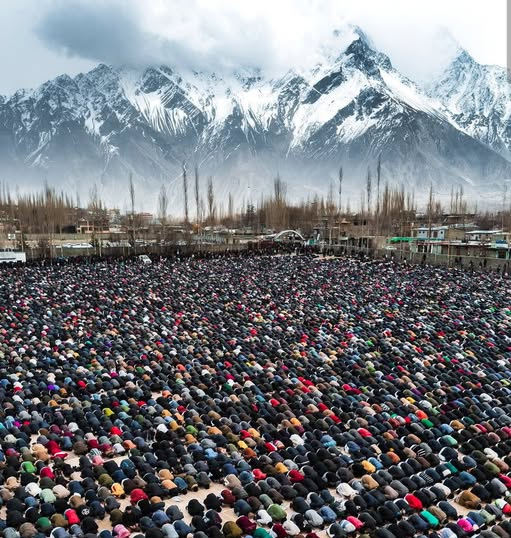
Most festivals in Gilgit-Baltistan are connected with the seasons and agriculture. Since this region is colder than other parts of Pakistan, it has distinct and separate festivals for autumn, spring, winter, and summer.
Unlike the Gregorian calendar, the New Year in Gilgit-Baltistan begins on December 20. By this date, the duration of sunlight shortens to its minimum, and after December 20, the days start getting longer. The shortening of sunlight is called Sori Helol Bouji in Shina and Rgon Kheim Kheim in Balti. These expressions describe the sun “going into its nest,” which gradually reduces its warmth. After December 20, the increasing sunlight is called by specific names in Shina and Balti, and the sun’s warmth grows day by day.
New Year Festival and Bonfire Tradition
The local New Year festival is well-known for its traditional dishes. On December 21, villagers light bonfires in a festival known as Talini or Lome in Shina and Me Phang in Balti. From December 20 to February 20, during the cold snowy days, two main types of traditional activities continue in the villages.
Nowruz Celebration – March 21
March 21 is celebrated as Nowruz, marking the first day of the solar year. It is observed with great enthusiasm. Special dishes are prepared, and visitors coming to exchange greetings are offered these delicacies. Making new clothes, applying henna on hands, and visiting each other’s homes are essential parts of the festival. A popular game during Nowruz is egg fighting, where boiled and colored eggs are used by elders, young people, and children to compete. In the evenings, thrilling polo matches start and continue for three days.
Historical Changes After Islam
After the spread of Islam in the 14th century AD, religious changes were accompanied by shifts in architecture, lifestyle, and celebrations. While seasonal and agricultural festivals continued, pre-Islamic beliefs and rituals gradually declined. Today, Eid al-Fitr and Eid al-Adha are celebrated with grandeur alongside seasonal festivals.
Moon Sighting and Hilalabad Tradition
Traditionally, special arrangements were made to sight the crescent moon for Eid al-Fitr. Television and internet announcements have simplified this task today. In mountainous Baltistan, moon sighting is difficult at sunset. Kharmang district is especially famous, bordering Kargil, with the Indus River originating here.
In the village of Hilalabad (historically Zhindo), elders built stone mounds aligned with the westward movement of the moon. After the fourteenth day of the moon, tall stone piles with holes were used to precisely identify the moon’s position in the following days. Although traditional methods exist, today the official Moon Sighting Committee announcement is considered final.
Eid Preparations and Festivities
Upon the announcement of moon sighting, devotional songs and praises are recited throughout the night at mosques and spiritual centers. Women prepare traditional dishes like Azooq, Shirq, Zerchung, and sweets. Traditional green tea mixed with butter from Zomo is served in beautifully designed samovars. Homes are purified with fragrant local herbs called Spandar. Alongside traditional confections, chickpea chaat, vermicelli, kheer, and cakes/biscuits are also common.
After Eid prayers, visiting elders and relatives is customary. Parents visit their married daughters’ homes to pray for their longevity and health. Young people wear colorful clothes, apply henna, and greet friends and peers. Meat is cooked in every household on Eid night.
This Year’s Eid and Springtime
This year, Nowruz and Ramadan Eid coincide, marking the start of spring. Mountain peaks are covered with snow, while apricot and cherry trees bloom in villages, a spectacle known as apricot blossoms. Given current domestic and international conditions, Eid has been suggested to be celebrated with simplicity.
[an error occurred while processing this directive]