
Dharmarajika Stupa & Monastery
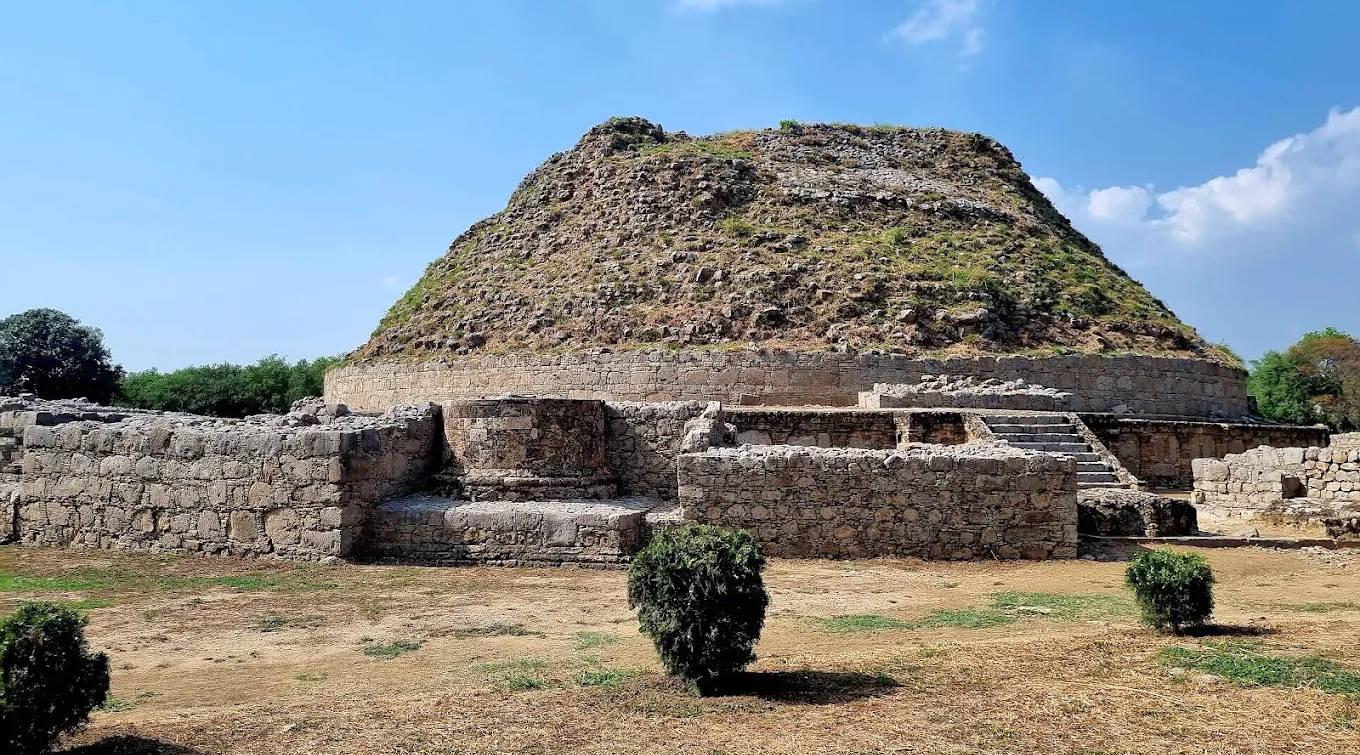
This is the largest Buddhist establishment in the Taxila region and dates from the time of Ashoka, the great Mauryan emperor who united India in 272 BC and is known in some Buddhist sources as Dharmaraj, the name which the site itself is associated with. It is firmly believed by most scholars that Dharmarajika is one of the locations where the remains of the Buddha were buried and this makes it a relic depository stupa.
The Dharmarajika Stupa is one of the most important Buddhist archaeological sites in Pakistan and forms part of the famous ancient city of Taxila, a UNESCO World Heritage Site. Located in Punjab province near Islamabad, the site attracts historians, archaeologists, Buddhist pilgrims, and travelers interested in the Gandhara civilization.
The complex originally consisted of a large central stupa surrounded by smaller votive stupas, monasteries, chapels, meditation areas, and residential quarters for monks. Over the centuries, the site expanded as rulers, pilgrims, and wealthy patrons added new religious structures around the main stupa.
Connection with Emperor Ashoka
The stupa is traditionally associated with Emperor Ashoka, one of the greatest rulers in South Asian history and an important promoter of Buddhism. After embracing Buddhism following the Kalinga war, Ashoka ordered the construction of numerous stupas and monasteries across his empire to spread Buddhist teachings.
Dharmarajika is believed to have been among the earliest Buddhist monuments established in the Taxila valley during Ashoka’s reign. Many scholars believe relics of the Buddha were placed here, making the site spiritually important for Buddhist pilgrims.
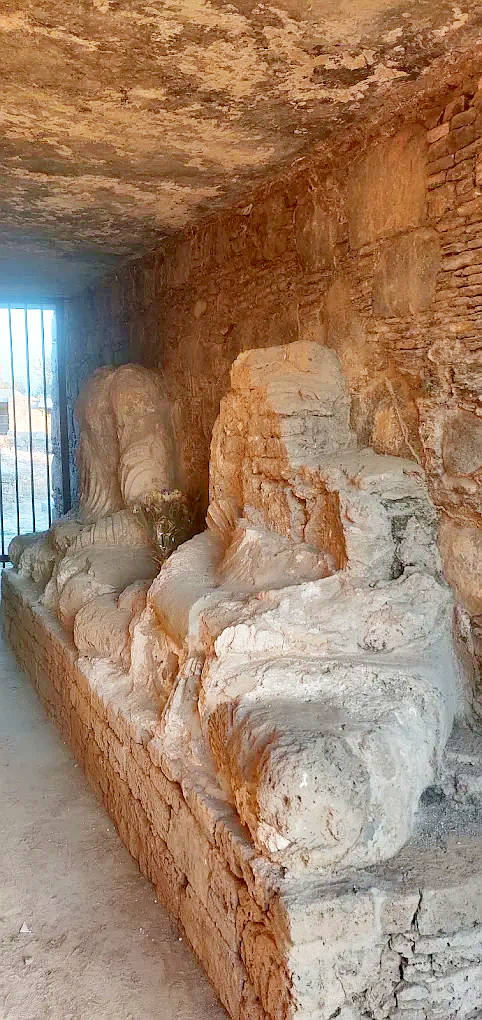
The Gandhara Civilization
The Taxila region was one of the major centers of the Gandhara civilization, famous for its unique blend of Greek, Persian, Central Asian, and Indian artistic influences. Buddhist art from Gandhara is considered among the finest in the ancient world.
Stone sculptures, stucco decorations, monasteries, and educational centers once flourished throughout Taxila. Monks and students from different regions traveled here to study Buddhism, philosophy, medicine, and ancient sciences.
Travel & Culture Services offers tours to all Gandhara sites in Pakistan in its Buddhist Heritage tour Cultom tours can also be organised, while we run a daily tour to Taxila from Islamabad please visit our Islamabad Taxila Tour page for detials or For detials
Architecture and Layout
The central stupa at Dharmarajika was originally a massive circular structure that dominated the surrounding monastery complex. Around it were numerous smaller stupas built by devotees over many centuries.
The monastery complex included prayer halls, monk cells, courtyards, and ritual spaces. Even today, visitors can clearly observe the foundations and stone remains of these structures spread across the peaceful archaeological site.
Part of the Taxila Archaeological Circuit
Dharmarajika is one of several important Buddhist sites located around Taxila including Sirkap, Jaulian Monastery, Mohra Moradu, and Bhir Mound. Because the site is part of the Taxila archaeological region in Punjab province, visitors can usually explore it using the same entry ticket issued for the Taxila museum and nearby archaeological sites such as Sirkap.
This makes Taxila one of the most rewarding destinations in Pakistan for travelers interested in Buddhism, archaeology, Silk Route history, and ancient civilizations.
Modern Tourism and Preservation
Today the Dharmarajika Stupa remains a peaceful and historically rich destination surrounded by low hills and greenery. Tourists visiting Islamabad often combine a visit to Taxila with nearby heritage sites and museums.
The site is protected by the Department of Archaeology and Museums and continues to be studied by researchers from around the world. Preservation efforts are important to protect the fragile stone structures and ancient remains from environmental damage.
The Dharmarajika Stupa and Monastery stand as a reminder of the spiritual, educational, and artistic greatness of ancient Taxila. From the time of Emperor Ashoka to the flourishing Gandhara civilization, this site played an important role in the spread of Buddhism across Asia.
Today, the quiet ruins continue to attract visitors from around the world who come to experience the atmosphere of one of Pakistan’s most important Buddhist heritage sites.


Advertisement
Advertise on this site click for advertising rates