
Bhir Mound Taxila – The Earliest City of Ancient Taxila
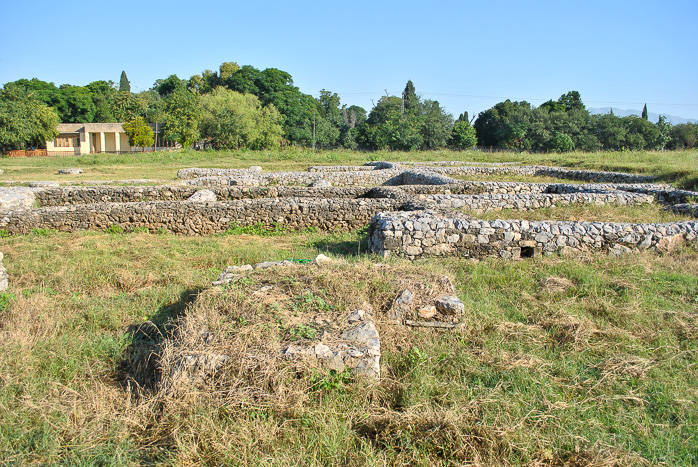
Bhir Mound is one of the most important archaeological sites in Pakistan and is widely regarded as the oldest settlement of ancient Taxila. Located just a short walk from the famous Taxila Museum in Punjab province, the site immediately comes into view as visitors approach the museum area, offering a powerful first impression of the region’s ancient urban history.
This ancient city forms part of the UNESCO World Heritage Site of Taxila and represents the earliest phase of urban development in the Gandhara civilisation, with its origins dating back to around 800–525 BC, based on archaeological layers discovered at the site.
Historical Importance of Bhir Mound
Bhir Mound is believed to be the first major city of Taxila before later urban centres such as Sirkap and Sirsukh were built. Unlike later Greek-influenced cities, Bhir Mound developed organically, without a strict geometric layout. Excavations have revealed narrow streets, residential houses, wells, grain storage areas, and simple drainage systems, reflecting a highly functional but naturally grown urban settlement.
The site shows continuous occupation through several historical periods including the Achaemenid, early Mauryan, Indo-Greek, and early Kushan eras, making it one of the most layered archaeological sites in South Asia.
Recent Archaeological Discoveries (2025–2026)
In recent excavations, archaeologists from the Punjab Department of Archaeology have uncovered remarkable new evidence that is reshaping our understanding of early Taxila.
- 2nd century BC pottery and ceramics showing advanced craftsmanship
- Ancient coins linked to early Indo-Greek and Mauryan trade networks
- Glass beads (2nd century BC – 1st century AD) discovered near shallow layers close to the museum area
- Stone and metal tools indicating skilled artisan activity
- Lapis lazuli and decorative stones showing long-distance trade connections with Central Asia
One of the most significant recent finds includes a set of 18 glass beads discovered during excavation, suggesting the presence of high-value ornament production and trade activity in early Taxila society.
Experts have also identified multiple cultural layers beneath Bhir Mound, indicating that even older settlements may still be buried deeper underground, waiting to be uncovered by future excavations.
Urban Life in Ancient Bhir Mound
Archaeological evidence suggests that Bhir Mound was a thriving urban centre located along important trade routes connecting Central Asia, Afghanistan, and the Indian subcontinent. The presence of storage facilities, household items, and structured residential zones indicates a well-organised economy supported by agriculture and trade.
The city’s irregular street layout reflects early indigenous urban planning rather than later Greek-style grid systems, providing valuable insight into the development of early South Asian cities.
Connection with Taxila Museum
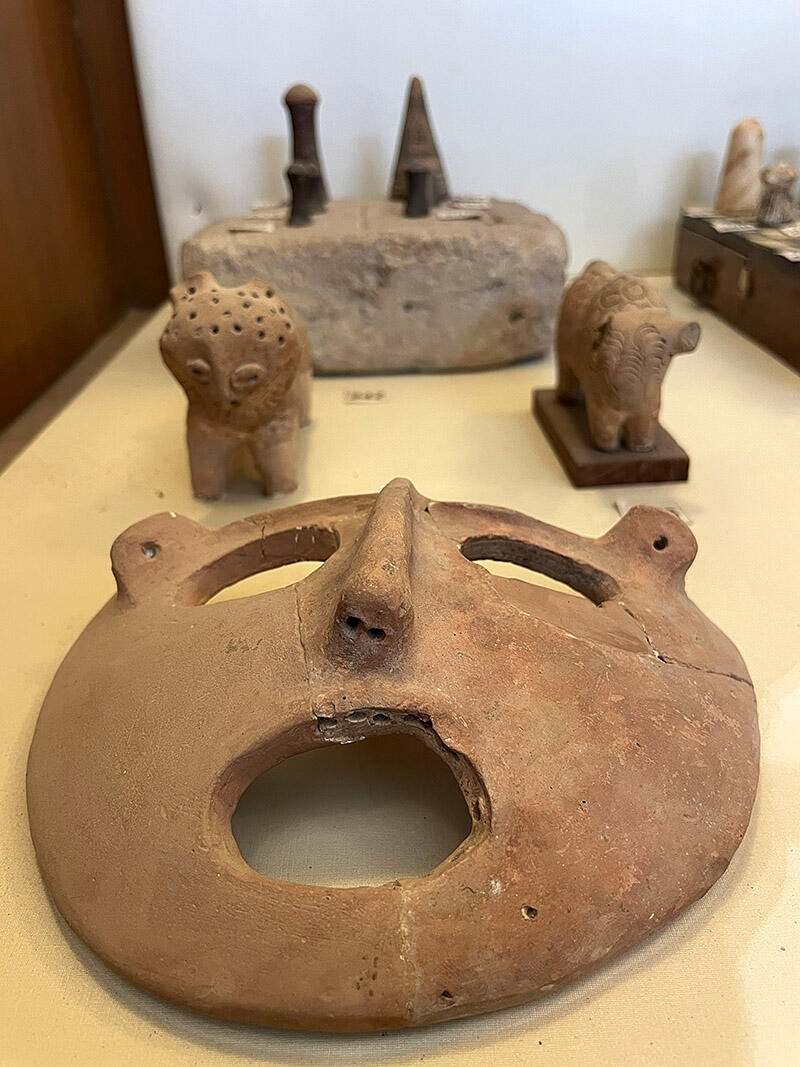
Visitors to the Taxila Museum can easily view Bhir Mound as it lies directly adjacent to the museum complex. Many of the artifacts discovered at the site, including pottery, coins, weapons, and ornaments, are displayed inside the museum, helping visitors connect the ruins with their historical context.
Conclusion
Bhir Mound is not just an archaeological site—it is the foundation of Taxila’s ancient civilisation. The latest discoveries continue to prove that this early city played a vital role in shaping urban development, trade, and cultural exchange in South Asia. As ongoing excavations continue, Bhir Mound may still reveal even older layers of human history hidden beneath its soil.


Advertisement
Advertise on this site click for advertising rates