
Aurangzeb Alamgir: His Religious Beliefs and Practices During Ramadan
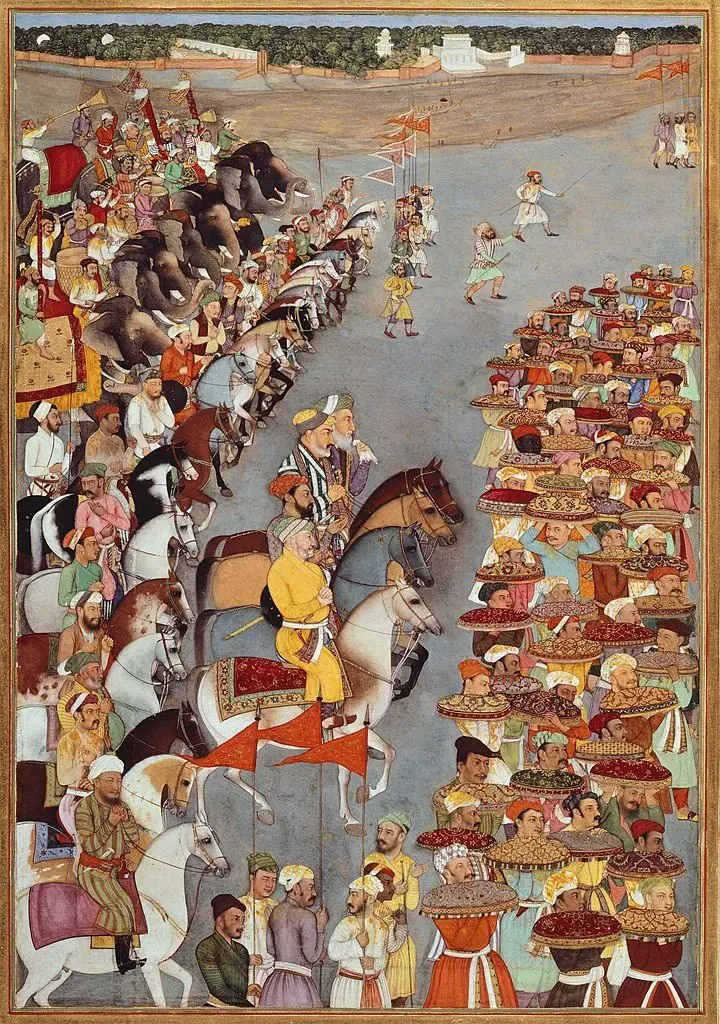
Aurangzeb Alamgir (1618–1707), the sixth Mughal Emperor, is remembered as one of the most religiously devoted rulers of the Mughal dynasty. Unlike some of his predecessors who encouraged Persian cultural festivals and courtly luxuries, Aurangzeb was personally committed to Islamic teachings and strict religious observance. His private life and royal court reflected his deep attachment to prayer, fasting, and religious discipline.
Preference for Islamic Festivals Over Nowruz
Soon after his accession to the throne, Aurangzeb discontinued the celebration of the Persian festival of Nowruz. Instead, he gave greater importance and grandeur to the Islamic festivals of Eid al-Fitr and Eid al-Adha. Ramadan and its associated rituals were given special prominence at the Mughal court.
His coronation took place close to the month of Ramadan, which increased the importance of Eid al-Fitr during his reign. He extended the celebrations of his accession until Eid, symbolically merging his political authority with religious significance.
Personal Devotion and Worship
Aurangzeb was strict in observing daily prayers and fasting. He regularly performed congregational prayers and made special arrangements for Taraweeh prayers during Ramadan. In the last ten days of Ramadan, he would observe I'tikaf (spiritual retreat in the mosque).
He was known to fast not only in Ramadan but also three days a week — Monday, Thursday, and Friday. Historical accounts describe that he slept only about three hours a day, dedicating most of his time to state affairs and worship.
The French traveler François Bernier recorded that when Aurangzeb arrived in Delhi during the intense heat of June, he observed the full fasts of Ramadan despite the extreme weather. Even while fasting, he continued managing state matters. At sunset, he would break his fast simply with bread made of barley or maize, then offer Taraweeh prayers and spend much of the night in worship.
Ramadan in the Mughal Court
After Aurangzeb’s time, the Mughal Empire gradually declined. The later Mughal emperors were politically weak and even dependent on British stipends, yet the observance of Ramadan continued with grandeur in the royal court.
According to Munshi Faizuddin Dehlvi in his book “Bazm-e-Aakhir”, the sighting of the moon was celebrated with great excitement in the palace. Royal ladies, attendants, princes, and princesses would gather to offer congratulations. Musicians played traditional instruments, and drums were beaten in the Naqqar Khana to announce the arrival of Ramadan.
The emperor distributed sweets such as cheese portions and sugar confections among the people as gifts of celebration.
Taraweeh and Night Routine
After the call for Isha prayer, preparations were made in the Diwan-e-Khas for congregational prayer. The emperor would lead or join the congregation and listen to approximately one and a half sections (Sipara) of the Qur’an during Taraweeh. After prayers, he would sit for a while in discussion, smoke a hookah, and then rest.
Fasting and Society
In simple terms, fasting in Ramadan requires abstaining from food and drink from the call of Fajr until Maghrib. According to the Cambridge Economic History, many poor people in the Mughal period could only afford one meal a day even outside Ramadan. Wheat was often not part of a poor person’s diet; instead, they consumed rice, millet, barley, lentils, and vegetables.
Sehri (Pre-Dawn Meal) in the Mughal Palace
Munshi Faizuddin describes the Sehri arrangements in detail. Drums would be beaten in the palace, Naqqar Khana, and Jama Masjid to signal the time for Sehri. With each drumbeat, preparations intensified. On the third signal, the emperor would partake in his specially prepared Sehri meal.
The variety of dishes prepared in the Mughal kitchen was extraordinary. Numerous types of bread were made, including chapati, paratha, roghani roti, naan, sheermal, kulcha, baqar khani, almond bread, pistachio bread, and many others.
Rice dishes included yakhni pulao, moti pulao, zafran pulao, nargisi pulao, murgh pulao, kofta pulao, biryani pulao, qabuli, tahiri, mutanjan, and khichri.
Desserts were equally rich: zarda, vermicelli, firni, kheer in multiple varieties (almond, carrot, pumpkin), halwas (carrot, almond, pistachio), samosas (sweet and savory), and numerous sweets such as laddus, barfi, jalebi, balushahi, qalaqand, moti pak, and many others.
Curries included qorma, qaliya, do piaza, venison qorma, chicken qorma, fish, raita, yogurt-based dishes, stuffed vegetables, and royal specialties like “Badshah Pasand” karela and lentils.
Various kebabs such as seekh kebab, shami kebab, partridge kebab, and Husaini kebab were also prepared. Preserves (murabba) of mango, apple, quince, citron, lemon, pineapple, almond, and even bamboo were served, along with pickles of all varieties.
After Sehri, the emperor would smoke the hookah, rinse his mouth when the morning cannon was fired, drink water, and formally make the intention for fasting. From that moment, eating and drinking ceased until sunset.
Conclusion
Aurangzeb Alamgir’s reign is often debated in history, but his personal religious discipline is well documented. His strict observance of prayer, fasting, Taraweeh, and I'tikaf, along with his preference for Islamic festivals over Persian court traditions, reflects a ruler who saw himself not only as a political sovereign but also as a servant of faith.
The Ramadan traditions of the Mughal court illustrate both personal piety and royal grandeur, offering a fascinating glimpse into the religious and cultural life of the Mughal Empire.
Travel & Culture Services is a licensed tour operator in Pakistan, offering cultural and historical tours exploring the Mughal heritage of Delhi, Lahore, and beyond.


Advertisement
Advertise on this site click for advertising rates