
Shatial Rock Drawings/Carvings
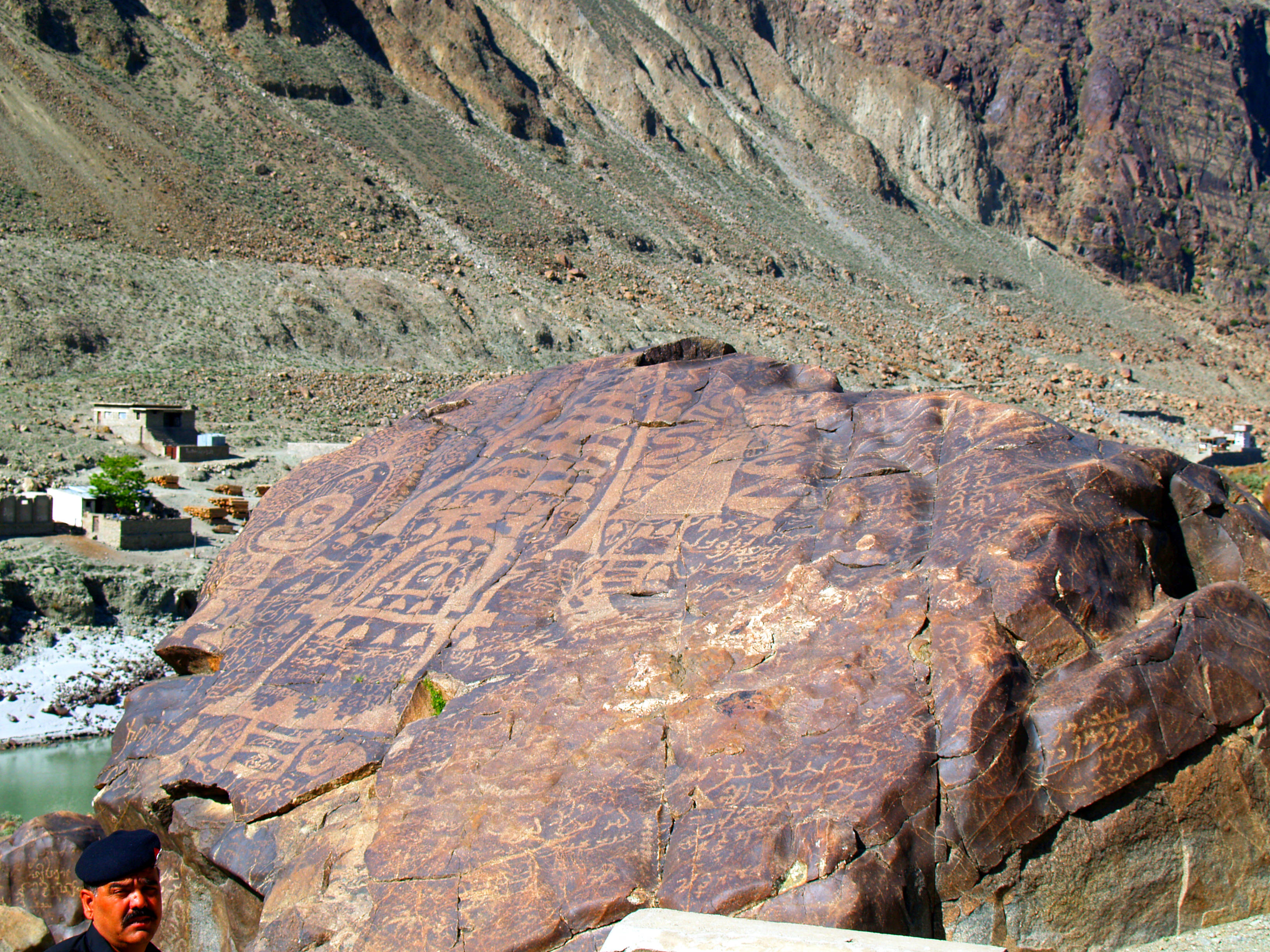
The Shatial Rock Carvings are among the most fascinating archaeological treasures found along the famous Karakoram Highway in northern Pakistan. Located near the small settlement of Shatial in Upper Kohistan district of Khyber Pakhtunkhwa, these ancient carvings and inscriptions provide valuable evidence of the cultural and religious exchanges that once took place along the Silk Route.
For centuries, traders, monks, pilgrims, and travelers passed through this mountain corridor connecting South Asia, Central Asia, and China. Many of them left inscriptions, symbols, prayers, and carvings on the rocks of Shatial, turning the area into an open-air historical archive.
Ancient Buddhist and Zoroastrian Heritage
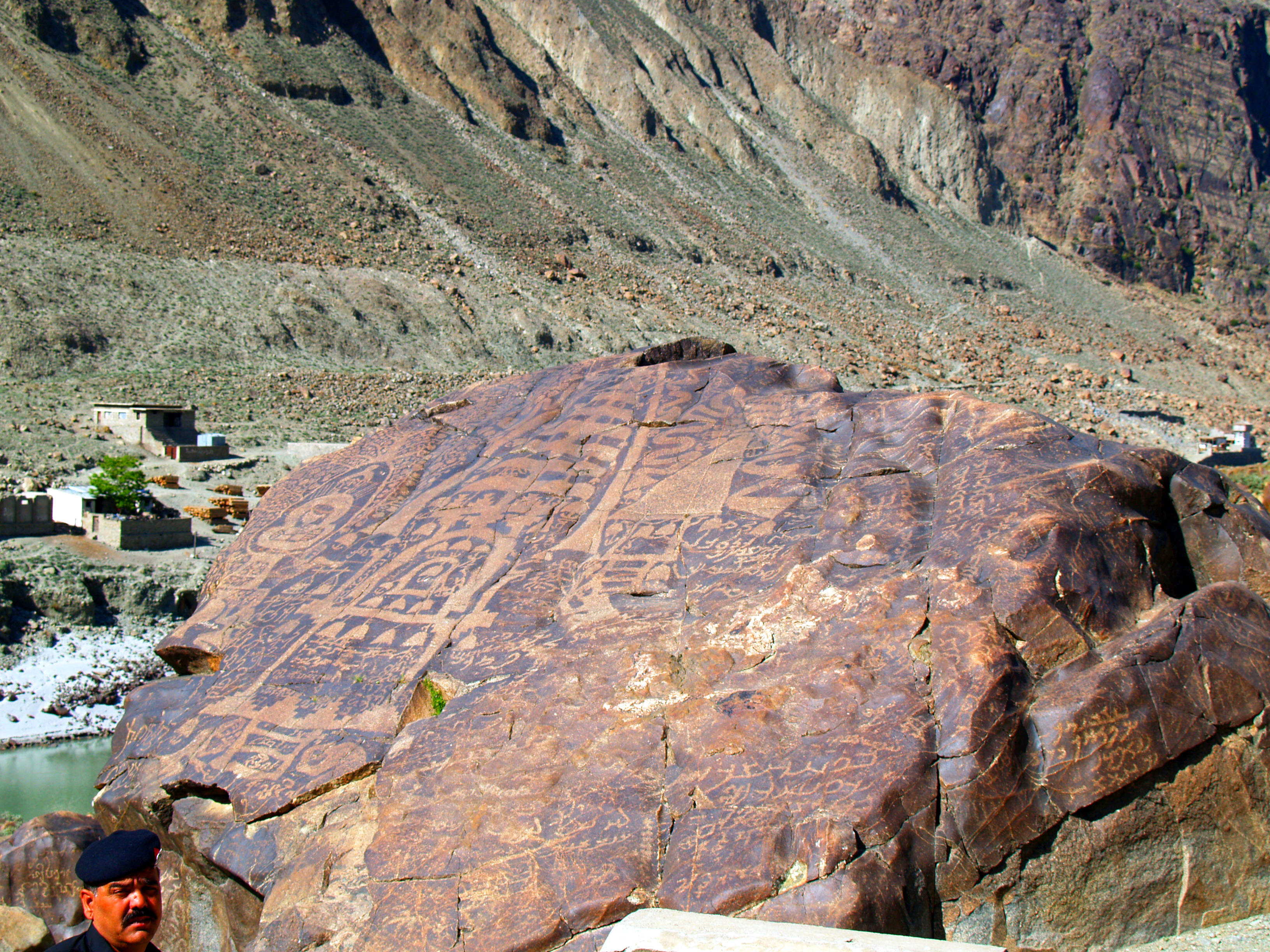
Shatial is especially known for its Buddhist and Zoroastrian symbolism and hundreds of ancient scripts especially Kharosthi, Sogdian, Brahmi etc. Even some Chinese inscriptions were recorded from this site. A huge stupa engraving covers the face of the boulder, flanked by a few votive stupas. Near the huge stupa is a Kharosthi inscription from the 5th century AD. The inscription records the name of the artist of the stupa as “religiously devout daughter of Jikhodarkha”.
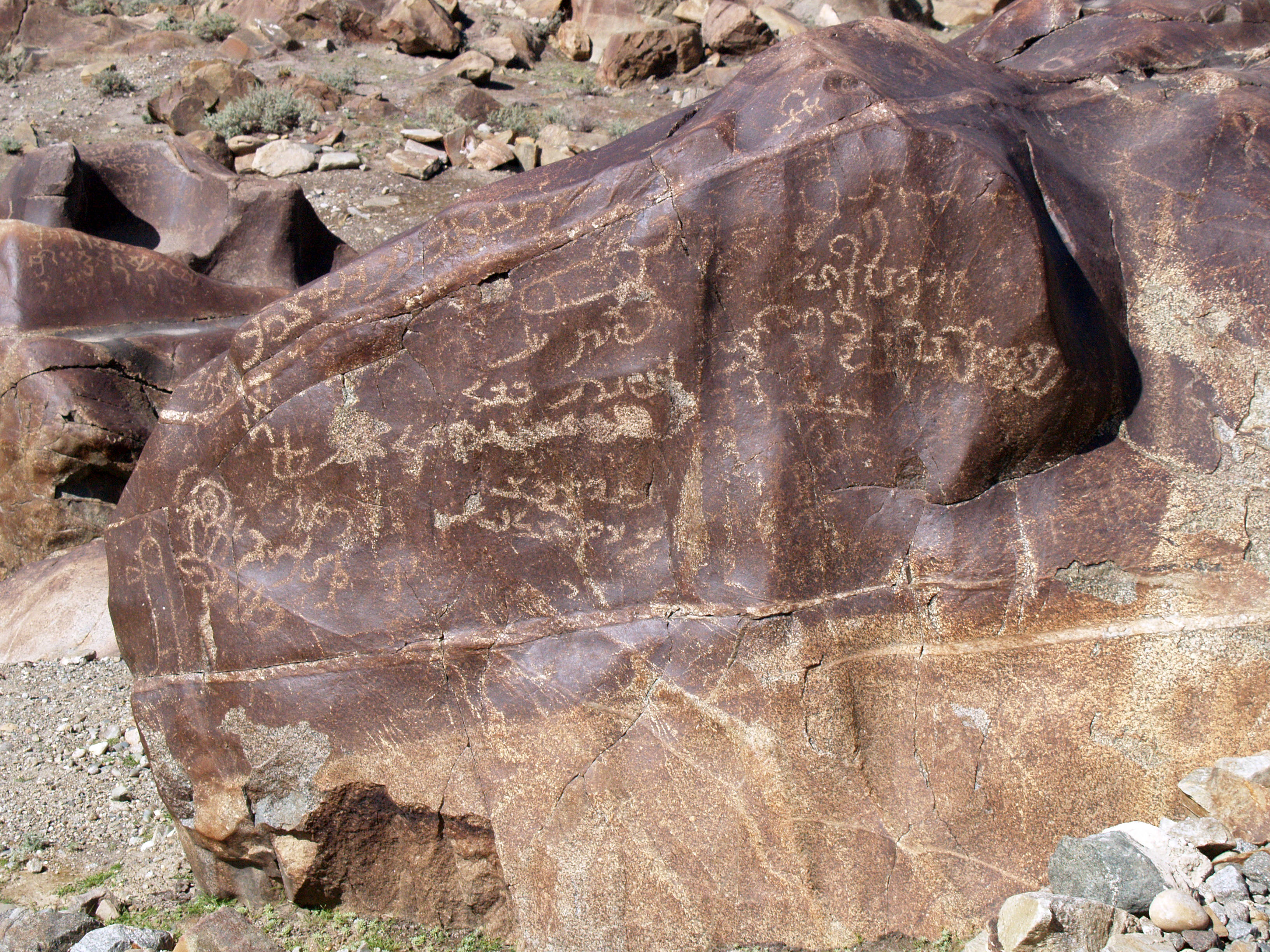
The presence of Buddhist stupas and inscriptions indicates that Buddhism flourished in this region many centuries before Islam arrived in the area. During the Gandhara period, Buddhist monks and pilgrims frequently traveled through these valleys on their journeys toward Central Asia and China.
The Importance of Kharosthi Inscriptions
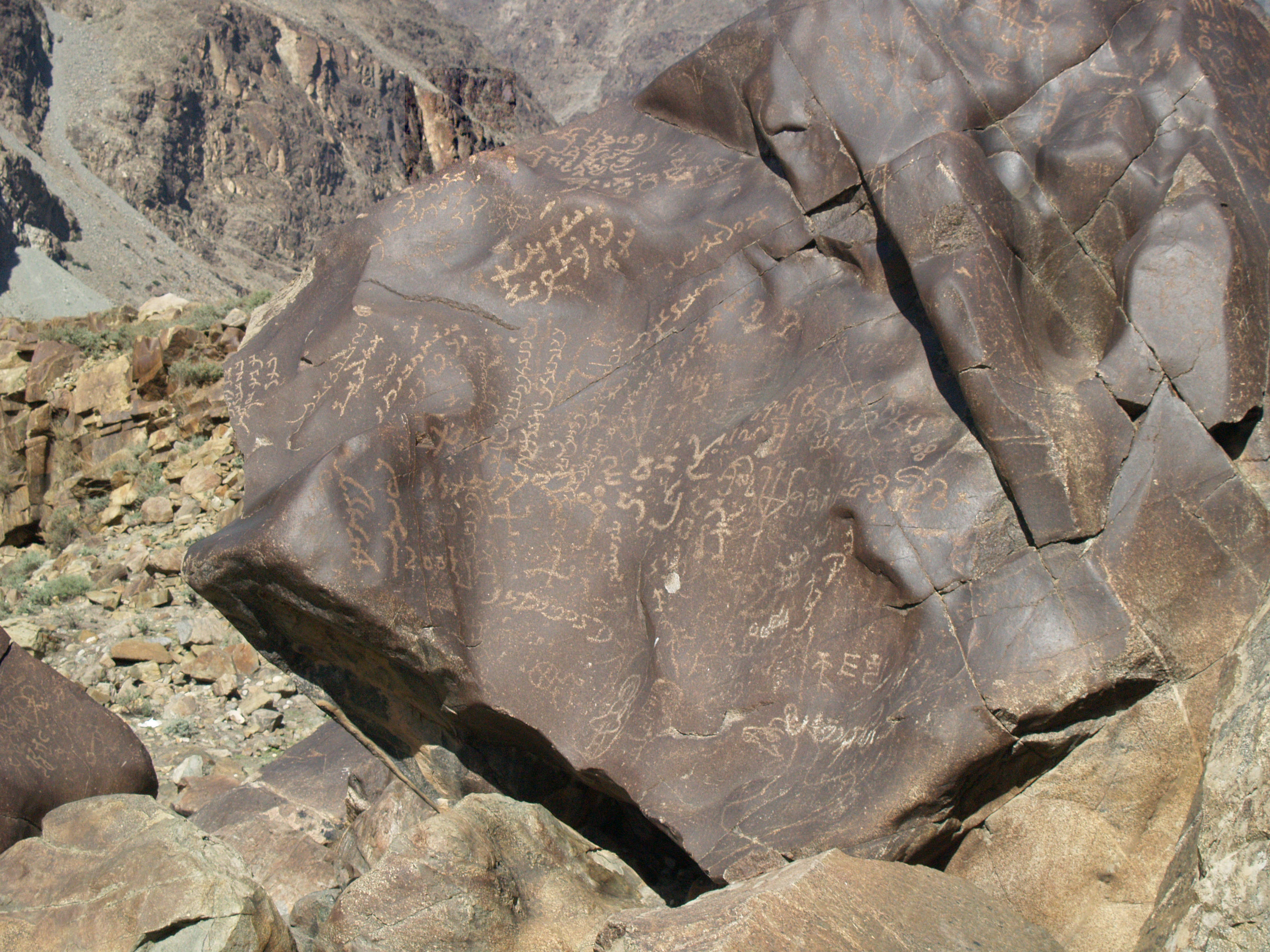
The Kharosthi script found at Shatial is of great historical importance. Kharosthi was widely used in the Gandhara civilization and is believed to have originated around the 3rd century BCE. Archaeologists consider these inscriptions highly valuable because they help historians understand the movement of traders, pilgrims, and artists along the Silk Route.
The discovery of Sogdian and Chinese inscriptions also shows that Shatial was not an isolated mountain settlement but part of an international network of trade and cultural exchange extending from China to the Indian subcontinent.
Location on the Karakoram Highway
The Shatial Rock Carvings are located directly on the Karakoram Highway (KKH), one of the world’s most spectacular mountain roads. Travelers driving between Islamabad, Gilgit, and Hunza often pass close to this historic site.
The surrounding landscape is dramatic, with steep mountains, the Indus River flowing nearby, and ancient caravan routes crossing through the region. These same valleys were once used by Silk Route traders carrying silk, spices, gemstones, manuscripts, and religious ideas between civilizations.
Archaeological and Cultural Importance
The rock carvings of Shatial are considered an important part of Pakistan’s Buddhist heritage and ancient Silk Route history. Archaeologists and historians continue to study the site to better understand the cultural interactions that shaped northern Pakistan over thousands of years.
The carvings also demonstrate the religious diversity that once existed in the region. Buddhism, Zoroastrianism, local mountain beliefs, and later Islam all left their mark on the valleys surrounding the Karakoram Highway.
Tourism and Preservation
Although many travelers pass through the Karakoram Highway every year, the Shatial Rock Carvings remain relatively unknown compared to famous destinations such as Hunza or Skardu. However, for travelers interested in archaeology, Buddhism, Silk Route history, and ancient civilizations, Shatial offers a unique and rewarding stop.
Preservation of these carvings is extremely important as natural weathering and increasing traffic along the highway can damage the ancient inscriptions. Greater awareness and responsible tourism can help protect this remarkable heritage site for future generations.
The Shatial Rock Carvings are not merely ancient drawings on stone; they are silent witnesses to centuries of travel, faith, trade, and cultural interaction along one of the world's great mountain routes. From Buddhist monks and Silk Route traders to Chinese travelers and local artists, countless people left traces of their presence at Shatial.
Today, these carvings continue to tell the story of northern Pakistan as a meeting place of civilizations, religions, and cultures deep within the mountains of the Karakoram.

Advertisement
Advertise on this site click for advertising rates