

Wah Pakistan Travel Guide – Wah Gardens, History, Attractions and Tours
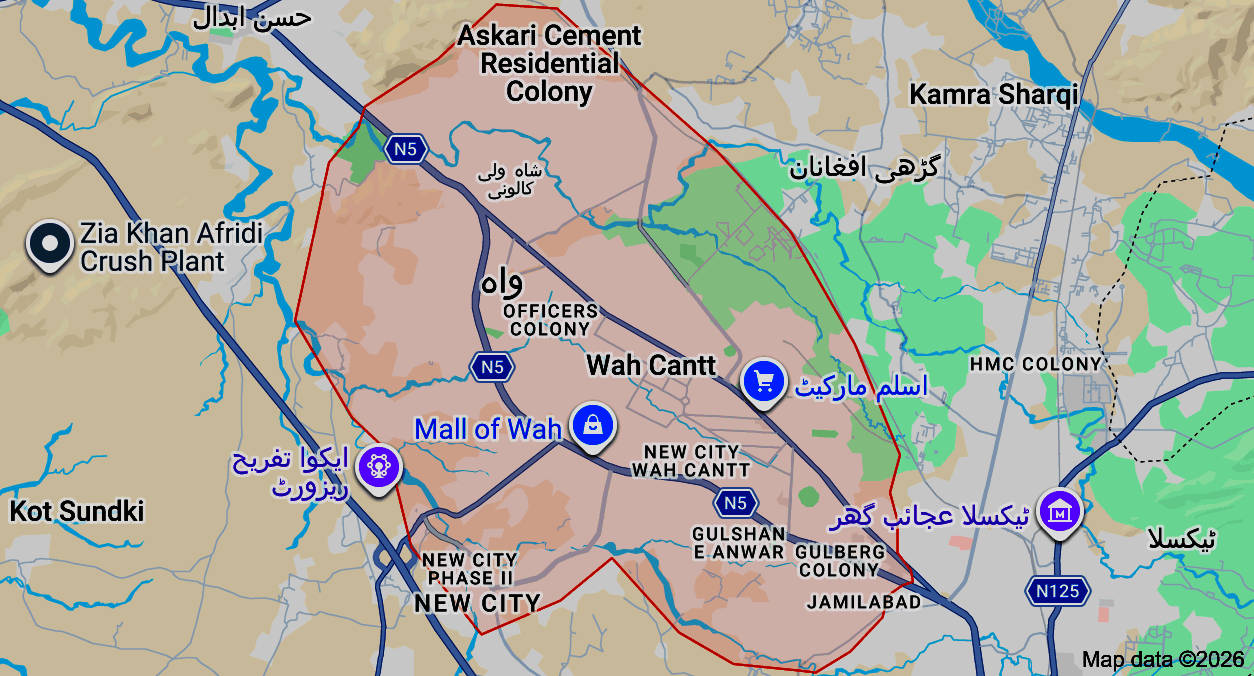
Wah is a historic town in Punjab, Pakistan, located approximately 30 kilometres northwest of Islamabad and close to the important archaeological region of Taxila. Although modern Wah is strongly associated with Wah Cantt and Pakistan's industrial and defense development, the area has a much older history and is particularly famous for the beautiful Wah Gardens.
The historic gardens are traditionally associated with the Mughal emperor Akbar and were later developed and beautified during the reign of Emperor Jahangir. Their location along the old route between the Mughal capitals and Kashmir made Wah an attractive resting place for rulers, nobles and travelers.
Today Wah is an interesting destination for travelers combining the history of Islamabad, Taxila, Gandhara civilization and northern Punjab. The town can easily be included in a day tour from Islamabad or Rawalpindi.
Where is Wah?
Wah is located in the northern part of Punjab, close to the border with Khyber Pakhtunkhwa. It lies along the historic transportation corridor connecting Rawalpindi and Islamabad with Taxila, Hassan Abdal and further north toward Peshawar.
The town is situated near the Grand Trunk Road, one of the oldest and most historically important transportation routes of South Asia. Its location has contributed to the importance of the region throughout different periods of history.
Wah is closely connected with Wah Cantt, a planned cantonment and industrial area that developed significantly during the twentieth century.
A Brief History of Wah
The history of Wah is closely connected with the ancient and medieval routes running through northern Punjab. The area lies close to Taxila, one of the most important archaeological regions of South Asia, where settlements and civilizations flourished for thousands of years.
The modern name Wah is associated particularly with the Mughal period. According to the traditional account, Mughal Emperor Akbar visited the area and was impressed by its landscape, exclaiming "Wah!", a word meaning admiration or appreciation. The settlement subsequently became known as Wah.
The historic gardens were developed along the route used by Mughal rulers traveling between the imperial centers of northern India and Kashmir. Emperor Jahangir is particularly associated with the development and enjoyment of the gardens.
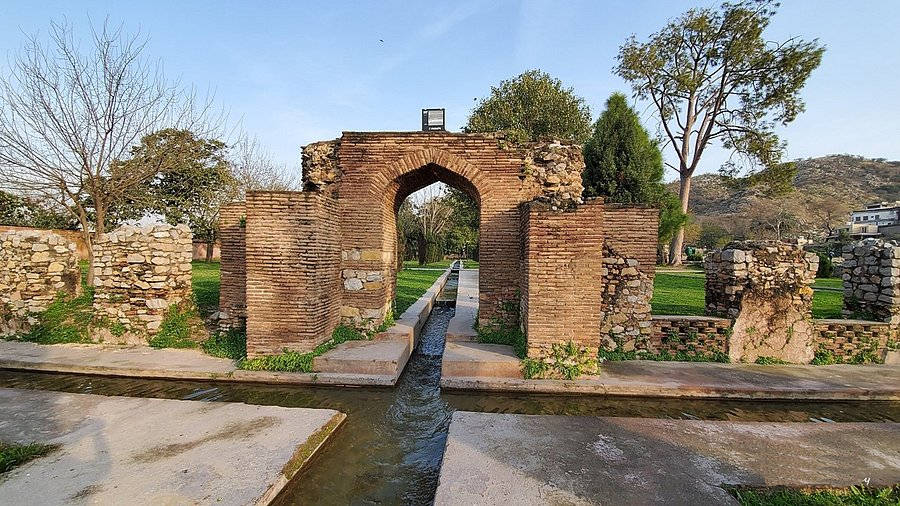
The Mughal association gave Wah an important place in the cultural landscape of northern Punjab. The gardens combined water channels, pools, terraces, trees and landscaped areas in the traditional Mughal style.
During the British period, the region continued to develop as part of the transportation and administrative network of Punjab. The twentieth century brought another major transformation with the development of Wah Cantonment and industrial facilities.
Wah Gardens
The principal historical attraction of Wah is the Wah Gardens, also known as Mughal Gardens Wah. The gardens represent an important example of Mughal landscape architecture in Pakistan.
The gardens were designed around water and greenery, following the Mughal tradition of creating formal gardens with geometric layouts, channels and pools. Their location beside the historic route made Wah a convenient resting place for travelers and members of the Mughal court.
The gardens are especially attractive to photographers and travelers interested in Mughal architecture and landscape design. The combination of historic structures, water features and mature vegetation creates a very different atmosphere from the surrounding modern urban areas.
The Mughal Water System
Water was fundamental to the design of Wah Gardens. Channels and pools were used not only for practical purposes but also to create a sense of movement, reflection and coolness within the garden.
The use of flowing water, shade and carefully arranged vegetation reflects the broader Mughal garden tradition seen at Lahore, Shalimar and other historic sites of the Mughal Empire.
Wah and Taxila
One of the greatest advantages of visiting Wah is its proximity to Taxila. Taxila is a UNESCO World Heritage Site and one of the world's most important archaeological regions associated with the ancient Gandhara civilization.
The archaeological remains around Taxila include ancient cities, Buddhist monasteries, stupas and settlements dating from several different periods. The Taxila Museum contains an important collection of Gandharan sculpture and archaeological material.
A traveler staying in Islamabad can therefore combine Wah Gardens and Taxila in a single cultural excursion.

Taxila Museum
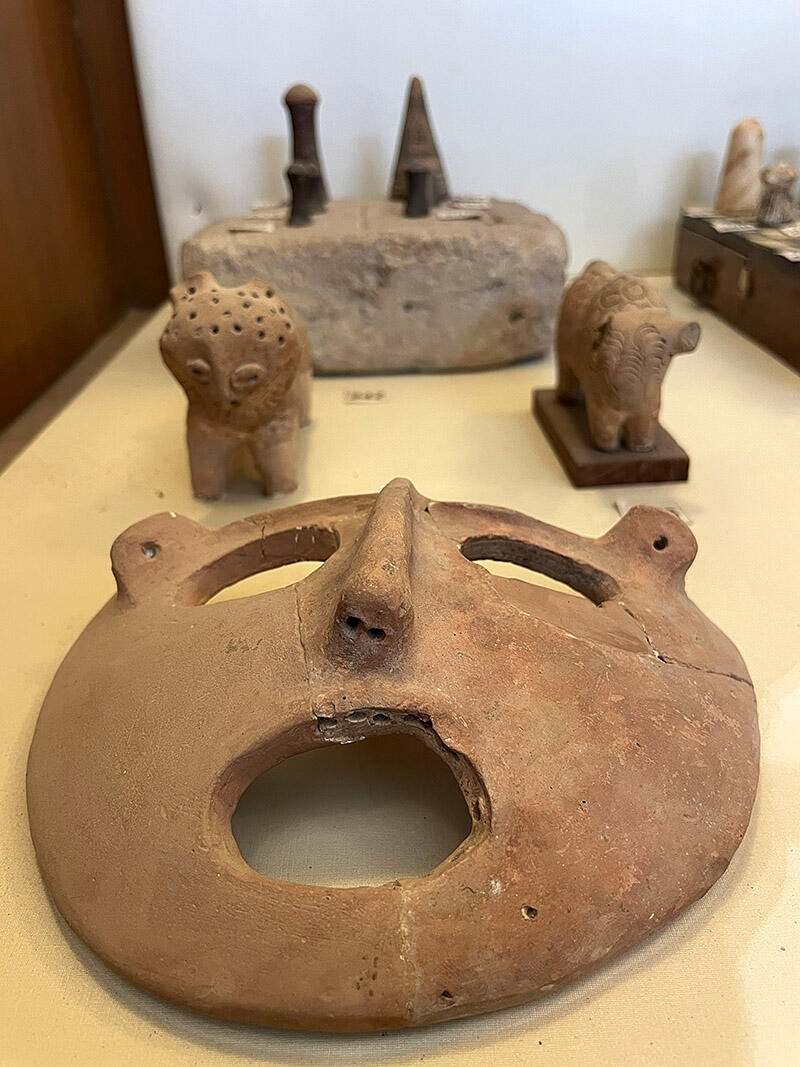
The Taxila Museum is one of the most important archaeological museums in Pakistan. It contains an extensive collection of Gandharan art, Buddhist sculpture, coins, pottery and other archaeological discoveries from the Taxila region.
For travelers visiting Wah, the museum is an excellent companion to the archaeological sites because it provides historical context for the ruins scattered across the Taxila valley.
Nearby Gandhara Heritage
Wah's location also makes it convenient for exploring the wider Gandhara heritage region. Travelers can combine Wah and Taxila with sites such as Jaulian, Mohra Moradu, Dharmarajika, Sirkap and Bhir Mound.
These archaeological sites represent different stages in the development of Taxila and demonstrate the interaction of Indian, Persian, Greek, Central Asian and Buddhist traditions.
Hassan Abdal and Nearby Heritage
A short distance north of Wah lies Hassan Abdal, an important historical town best known for Gurdwara Panja Sahib, one of the most important Sikh pilgrimage sites in Pakistan.
Hassan Abdal can therefore be incorporated into a wider itinerary combining Wah Gardens, Taxila and Sikh heritage.

Khanpur and the Margalla Hills
Wah is also relatively close to Khanpur and the Margalla Hills. Khanpur Dam is popular for its scenic surroundings and water-based recreational activities.
For travelers interested in combining cultural sightseeing with nature, a Wah–Taxila–Khanpur itinerary can provide a varied day of archaeological sites, historic gardens, mountain scenery and the reservoir.
Wah Cantonment
Wah Cantonment is one of the best-known planned cantonments in Pakistan. Its development is closely connected with the industrial and defense history of the country.
The modern cantonment is considerably different from the historic Wah Gardens. Travelers should distinguish between the historic garden area and the modern cantonment and industrial areas when planning sightseeing.
How to Travel to Wah from Islamabad
Wah is approximately 30–35 kilometres from Islamabad by road. The journey normally takes around 45 minutes to 1 hour, depending on traffic and the exact departure point.
The route passes toward Rawalpindi and Taxila and is straightforward by private car or hired vehicle.
For tourists staying in Islamabad, Wah is best visited as part of a day excursion combining the gardens with Taxila and other nearby attractions.
How to Travel to Wah from Lahore
Wah is approximately 380–400 kilometres from Lahore by road. The journey generally takes around 4.5 to 5.5 hours, depending on traffic and the selected motorway route.
Travelers can reach Wah through the motorway network connecting Lahore with Islamabad and Rawalpindi and then continue toward Taxila and Wah.
For a cultural itinerary, Wah can be visited between Lahore and Islamabad or included as part of a northern Punjab tour.
Distances to Wah
| Starting City | Approximate Road Distance | Approximate Travel Time |
|---|---|---|
| Islamabad | 30–35 km | 45 minutes–1 hour |
| Rawalpindi | 35–40 km | 45 minutes–1 hour |
| Lahore | 380–400 km | 4.5–5.5 hours |
| Karachi | Approximately 1,400–1,450 km | 20–23 hours |
| Taxila | Approximately 10–15 km | 20–30 minutes |
| Hassan Abdal | Approximately 20–25 km | 30–40 minutes |
| Khanpur Dam | Approximately 35–45 km | 45–60 minutes |
Distances and journey times are approximate and depend on the exact starting point, route, traffic and road conditions.
Major Hotels Near Wah
Wah and Wah Cantt have accommodation options for business travelers and domestic visitors. However, international tourists visiting the region often find it more convenient to stay in Islamabad, Rawalpindi or Taxila, where there is a wider choice of hotels.
For visitors making Wah a short excursion, Islamabad is particularly convenient because the city offers a much larger selection of accommodation ranging from international-standard hotels to smaller guesthouses.
Travel & Culture Services can arrange accommodation in Islamabad, Rawalpindi, Taxila or other locations according to the traveler's itinerary and budget.
How to Explore Wah in One Day
Wah is best experienced as part of a full-day cultural excursion from Islamabad. A suggested itinerary is:
Morning – Wah Gardens
Leave Islamabad in the morning and drive toward Wah. Begin with the historic Wah Gardens, exploring the Mughal garden layout, water channels and historic structures.
Late Morning – Taxila
Continue to Taxila and visit the Taxila Museum. The museum provides an excellent introduction to Gandharan history before visiting the archaeological ruins.
Afternoon – Taxila Archaeological Sites
Depending on available time, visit sites such as Sirkap, Jaulian or Dharmarajika. The exact selection should depend on opening times, weather and the interests of the travelers.
Late Afternoon – Hassan Abdal or Khanpur
If time permits, continue toward Hassan Abdal to see the area around Gurdwara Panja Sahib, or travel toward Khanpur for the scenery around Khanpur Dam.
Evening – Return to Islamabad
Return to Islamabad in the evening.
Suggested Wah and Taxila Day Tour
| Time | Suggested Activity |
|---|---|
| 08:00 | Departure from Islamabad |
| 09:00 | Visit historic Wah Gardens |
| 10:30 | Drive to Taxila |
| 11:00 | Taxila Museum |
| 12:30 | Lunch |
| 13:30 | Taxila archaeological sites |
| 16:00 | Optional Hassan Abdal or Khanpur visit |
| 18:00 | Return toward Islamabad |
Best Time to Visit Wah
The cooler months from October to March are generally the most comfortable for exploring Wah Gardens and the archaeological sites of Taxila.
Spring can also be pleasant, particularly when the gardens are green and the weather is suitable for outdoor sightseeing.
During the hottest summer months, travelers should plan archaeological sightseeing during the morning and late afternoon and carry sufficient drinking water.
Travel Tips for Visiting Wah
- Combine Wah Gardens with Taxila for a more rewarding cultural excursion.
- Wear comfortable shoes when visiting archaeological sites.
- Carry water during outdoor sightseeing.
- Respect photography restrictions at military and sensitive locations.
- Check access arrangements for Wah Gardens before traveling.
- Allow sufficient time for Taxila's archaeological sites.
- Dress respectfully when visiting religious places such as Gurdwara Panja Sahib.
Wah as Part of a Pakistan Heritage Tour
Wah fits naturally into several Pakistan travel routes. A traveler arriving in Islamabad can visit Taxila, Wah Gardens and Hassan Abdal before continuing north toward Abbottabad, Nathiagali and the Karakoram Highway.
It can also be incorporated into a Gandhara heritage itinerary covering Islamabad, Taxila, Wah, Peshawar and Swat.
For travelers interested in Mughal history, Wah provides a useful connection between the imperial architecture of Lahore and the ancient Buddhist heritage of Taxila.
Tour and Travel Arrangements in Wah
Travel & Culture Services can arrange private tours, transportation, hotels, guides and customized cultural journeys to Wah and the surrounding region.
We can arrange a Wah Gardens and Taxila day tour from Islamabad, or incorporate Wah into longer itineraries covering Taxila, Hassan Abdal, Khanpur, Peshawar and northern Pakistan.
For travelers interested in Mughal gardens, Gandhara archaeology, Buddhist heritage, Sikh heritage or the history of northern Punjab, we can design a private itinerary according to your interests.
For any help or arrangement for tours in Wah, Taxila, Islamabad or anywhere in Pakistan, please contact Travel & Culture Services.
Frequently Asked Questions About Wah
What is Wah Pakistan famous for?
Wah is best known for its historic Wah Gardens, Mughal heritage and its proximity to Taxila, one of Pakistan's most important archaeological and Gandhara heritage regions.
Is Wah worth visiting?
Yes. Wah is particularly worthwhile for travelers interested in Mughal architecture, historic gardens and Gandhara heritage. Its location makes it easy to combine with Taxila on a day tour from Islamabad.
What are Wah Gardens?
Wah Gardens are historic Mughal-era gardens associated with the Mughal emperors Akbar and Jahangir. The gardens feature traditional Mughal landscaping, water channels and historic structures.
How far is Wah from Islamabad?
Wah is approximately 30 to 35 kilometres from Islamabad by road. The journey generally takes around 45 minutes to one hour depending on traffic.
How far is Wah from Lahore?
Wah is approximately 380 to 400 kilometres from Lahore by road. The journey normally takes around 4.5 to 5.5 hours.
How far is Wah from Taxila?
Wah is approximately 10 to 15 kilometres from Taxila, making it easy to combine Wah Gardens and Taxila in one excursion.
Can Wah Gardens and Taxila be visited in one day?
Yes. Wah Gardens and Taxila can comfortably be combined in a full-day private tour from Islamabad or Rawalpindi.
What other places can I visit near Wah?
Nearby attractions include Taxila, Taxila Museum, Hassan Abdal and Gurdwara Panja Sahib, Khanpur Dam and the Margalla Hills.
Can Travel & Culture arrange a Wah and Taxila tour?
Yes. Travel & Culture Services can arrange private transportation, guides, hotels and customized Wah and Taxila tours from Islamabad or as part of a larger Pakistan itinerary.


Advertisement
Advertise on this site click for advertising rates