Lahore is not just a city; it is an emotion. It is a place where history still breathes through ancient walls, where evening markets come alive with color and energy, and where every street carries the fragrance of culture, hospitality, and life itself. Located in the heart of Punjab, Lahore has always been regarded as Pakistan’s center of learning, literature, art, and warm hospitality.
Lahore is considered one of the oldest cities in South Asia. Historians believe that the city has existed for thousands of years. According to some traditional accounts, the name Lahore is linked to “Loh” or “Lava,” who is believed in Hindu tradition to have been the son of Lord Rama. While historians debate the exact origins of the city, there is no doubt that Lahore has long been a major center of civilization, trade, and political power.
Over the centuries, Lahore came under the influence of various dynasties including Hindu rulers, the Ghaznavids, the Ghurids, and the Delhi Sultanate. In the 11th century, after the invasions of Mahmud of Ghazni, Lahore became an important center of the Islamic world in the region. Later, it flourished as one of the most important cities of the Mughal Empire.
Lahore reached its peak glory during the Mughal period. Emperor Akbar made Lahore one of the capitals of his empire, and the city became a center of art, architecture, and culture. During this era, magnificent forts, mosques, gardens, and bazaars were constructed, transforming Lahore into one of the grandest cities in Asia.
The Badshahi Mosque is among the most famous mosques in the world because of its beauty and grandeur. Built with red sandstone and white marble, it remains one of the finest examples of Mughal architecture. Its vast courtyard and towering minarets continue to impress visitors from around the world.
The Lahore Fort, also known as Shahi Qila, contains centuries of history within its walls. The Sheesh Mahal, Alamgiri Gate, royal halls, and beautiful courtyards reflect the magnificence of Mughal craftsmanship and royal life.
After the decline of the Mughal Empire, Lahore became the capital of the Sikh Empire under Maharaja Ranjit Singh. During this time, several historic buildings were restored while new structures were also added to the city.
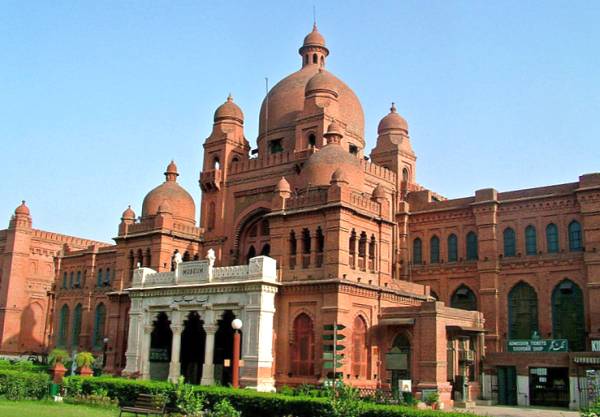
In 1849, the British annexed Punjab, and Lahore became an important administrative and educational center of British India. Railways, colleges, museums, and government buildings were developed during this period. Institutions such as Government College University, Punjab University, and the Lahore Museum remain reminders of the colonial era.
After the independence of Pakistan in 1947, Lahore emerged as one of the country’s most important cities. It became the capital of Punjab Province and continued to grow as a center of education, media, business, and culture.
Today, Lahore is a modern and rapidly developing metropolis. Modern shopping malls, wide roads, metro bus services, the Orange Line Train, luxury restaurants, universities, and residential communities have added a new dimension to the city. During the day Lahore appears busy and energetic, while at night the city glows beautifully with lights.
The narrow streets of Old Lahore, its wooden balconies, ancient gates, and crowded bazaars transport visitors back in time. Historic gates such as Delhi Gate, Bhati Gate, and Kashmiri Gate still preserve the atmosphere of the old walled city.
Traditional markets like Anarkali Bazaar and Shah Alam Market continue to play an important role in Lahore’s commercial and cultural life. Walking through these old streets feels like stepping into a living museum of history and tradition.
Lahore is often called the food capital of Pakistan, and for good reason. The city’s food streets remain lively until late at night. Traditional dishes such as nihari, biryani, barbecue, paya, halwa puri, and creamy lassi are all deeply associated with Lahore’s identity.
Places like Gawalmandi Food Street and Fort Road Food Street are popular among both local and international visitors. Travelers who visit Lahore rarely forget its unforgettable flavors. This is why people famously say:
“One who has not seen Lahore has not truly lived.”
Lahore has always been the center of literature, poetry, music, and fine arts in Pakistan. Great poets and writers such as Allama Iqbal, Faiz Ahmed Faiz, and Saadat Hasan Manto all had strong connections with the city. Lahore’s literary gatherings, theaters, Sufi music, and cultural festivals continue to shape the artistic spirit of Pakistan.
The Basant kite festival was once one of Lahore’s most colorful traditions, filling the skies with vibrant kites. Although restrictions now exist, the memories of Basant still remain an important part of Lahore’s cultural identity.
Lahore is considered an essential destination for anyone visiting Pakistan. Its historic monuments, shrines, gardens, museums, bazaars, and famous cuisine attract travelers from around the world.
Tourist attractions such as Shalimar Gardens, Minar-e-Pakistan, Wagah Border, Lahore Museum, and the modern districts of the city present different aspects of Lahore’s character.
Lahore is a city where visitors take home not only photographs but also unforgettable memories. Its culture, hospitality, historical atmosphere, and delicious food leave a lasting impression on everyone. This is why Lahore is proudly known as the most lively and vibrant city of Pakistan.
For Lahore tours and travel information visit:
Lahore City Tour