
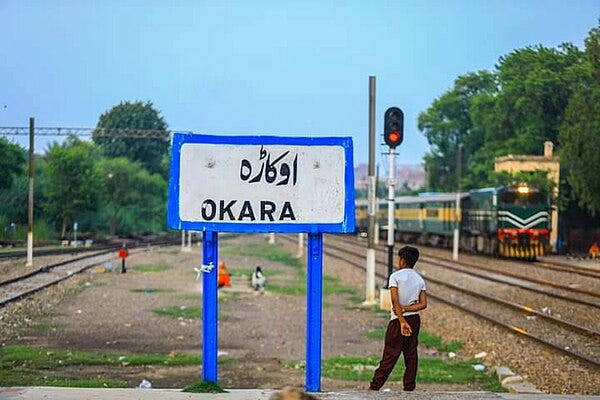
Okara Pakistan Travel Guide – History, Attractions, Heritage and Tours
Okara is an important city in central Punjab, Pakistan, located on the historic Lahore–Multan route. The city and surrounding district are known for fertile agricultural land, dairy farming, canals, orchards and a fascinating mixture of colonial-era development, Sufi heritage and older historical sites.
Although Okara is not usually included on the standard international tourist circuit, the district has several attractions that make it worthwhile for travelers interested in the lesser-known history and culture of Punjab. These include Satghara, the tomb of Mir Chakar-i-Azam Rind, Renala Khurd, Gurdwara Bhuman Shah, Hujra Shah Muqeem and Sulemanki Headworks. The Punjab Urban Unit lists several of these among the district's potential tourism sites. :contentReference[oaicite:1]{index=1}
Where is Okara?
Okara is situated approximately 120 kilometres southwest of Lahore on the Lahore–Multan road. The official district history describes Okara as lying on the Lahore–Multan Grand Trunk Road and records its development alongside the canal irrigation network. :contentReference[oaicite:2]{index=2}
The district is bordered by Kasur to the east, Sahiwal and Pakpattan to the west, Bahawalnagar to the south and the Indian border toward the southeast. The Ravi forms an important natural boundary in the western part of the district. :contentReference[oaicite:3]{index=3}
A Brief History of Okara
The name Okara is traditionally associated with the Okaan, a wild tree or plant that grew in the area. The modern city developed significantly during the British period when canal irrigation transformed the surrounding landscape.
Okara became a tehsil headquarters in 1918 following the completion of a network of canal irrigation. The modern city was laid out by the British in six blocks, with carefully planned residential areas. :contentReference[oaicite:4]{index=4}
The canal system changed the region dramatically. Previously less productive land was transformed into fertile agricultural territory, helping establish the area's importance in farming and livestock production.
Okara became an independent district on 1 July 1982. The district was formed from areas that had previously been administered as part of the larger Sahiwal, formerly Montgomery, district. :contentReference[oaicite:5]{index=5}
Okara – The Agricultural Heartland of Punjab
Agriculture is central to Okara's identity. The surrounding countryside contains extensive cultivated areas, and the district has long been associated with livestock, dairy production, cotton, rice, sugarcane and other agricultural products.
The canal-colony landscape is particularly interesting for visitors because it demonstrates how irrigation engineering changed large parts of Punjab during the British period.
Travelers crossing the district by road can see fields, canals, orchards, dairy farms and rural settlements stretching across the fertile plains.
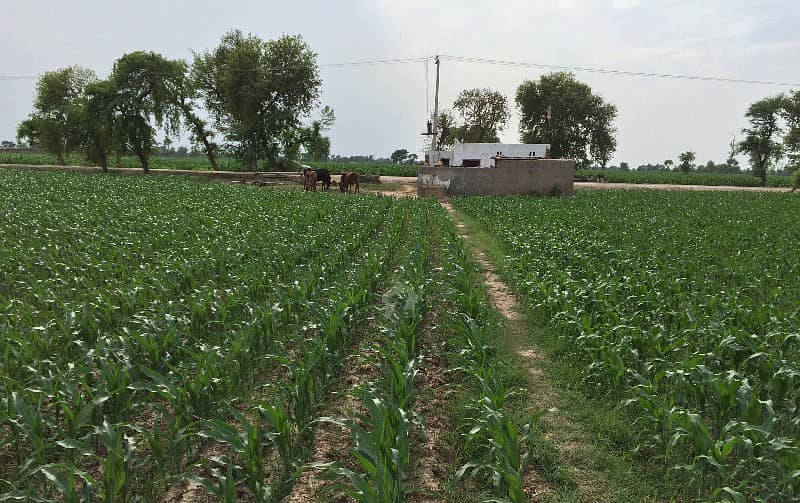
Mir Chakar-i-Azam Rind at Satghara
One of the most important historical attractions in Okara District is the tomb of Mir Chakar-i-Azam Rind at Satghara.
Mir Chakar Khan Rind was a prominent Baloch chieftain of the sixteenth century. According to historical accounts, he migrated to the Punjab region and spent the later part of his life at Satghara.
His approximately 400-year-old tomb is an important monument associated with Baloch history and the wider historical connections between Balochistan and Punjab. The Punjab Urban Unit identifies the tomb as one of the significant heritage sites of Okara District. :contentReference[oaicite:6]{index=6}
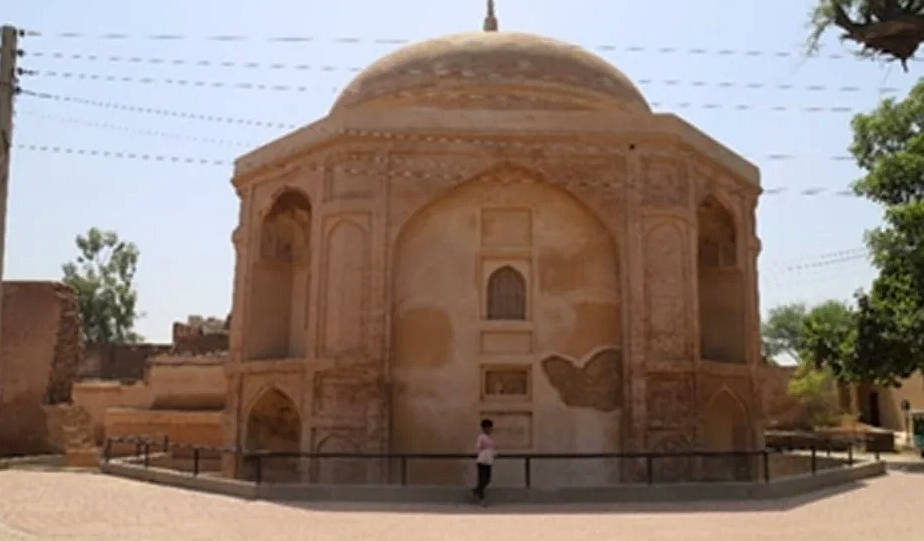
Satghara
Satghara is a historic settlement in Okara District and is best known for the tomb of Mir Chakar-i-Azam Rind. The village also contains other historic and religious structures, including an old temple and a Sufi shrine.
For visitors interested in the lesser-known heritage of Punjab, Satghara offers a glimpse into the multicultural history of the region.
Renala Khurd
Renala Khurd, located north of Okara city, is one of the district's most interesting places for travelers interested in colonial engineering and agricultural history.
Its development was closely connected with railway and canal-colony development during British rule. The town is also associated with Sir Ganga Ram and the development of irrigation and agricultural estates in the area.
Renala Khurd is known for its orchards and agricultural landscape and can be included in a wider Okara heritage tour.
Renala Khurd Hydropower Station
The historic hydropower installation at Renala Khurd is associated with the irrigation and agricultural development of the region. It forms part of the fascinating story of how canal water was used to transform the agricultural landscape around Okara.
For visitors interested in engineering history, the Renala Khurd area provides an unusual complement to the archaeological and religious heritage sites elsewhere in the district.
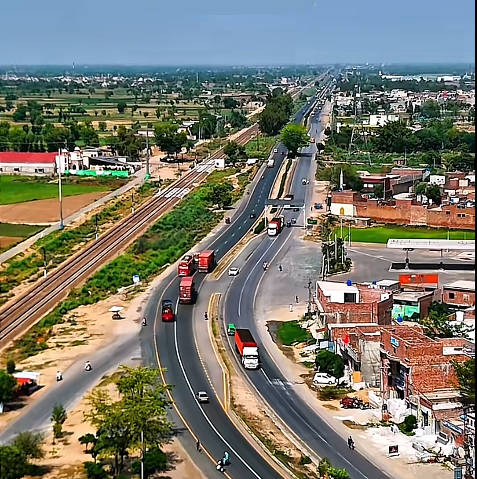
Gurdwara Bhuman Shah
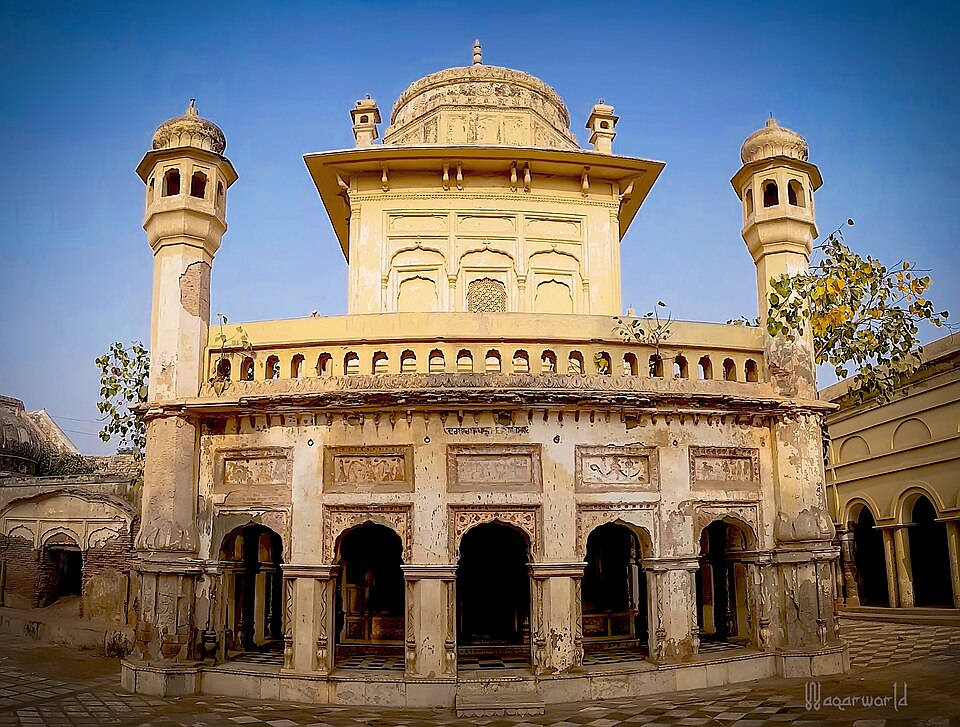
Gurdwara Bhuman Shah, also known as Dera Bhuman Shah, is an important Sikh heritage site in Okara District. It is located near Depalpur and is associated with Baba Bhuman Shah, a saint of the Udasi tradition.
The historic complex includes religious and residential structures and represents the multicultural religious heritage of the region before and after the Partition of 1947. The Punjab Food Authority's district tourism material identifies Gurdwara Bhuman Shah as one of Okara's major attractions. :contentReference[oaicite:7]{index=7}
Hujra Shah Muqeem
Hujra Shah Muqeem is another important cultural and religious center in Okara District. The town is associated with Sufi traditions and historic shrines.
The area is particularly interesting for travelers who want to explore the network of Sufi centers that shaped the cultural identity of Punjab.
Sulemanki Headworks
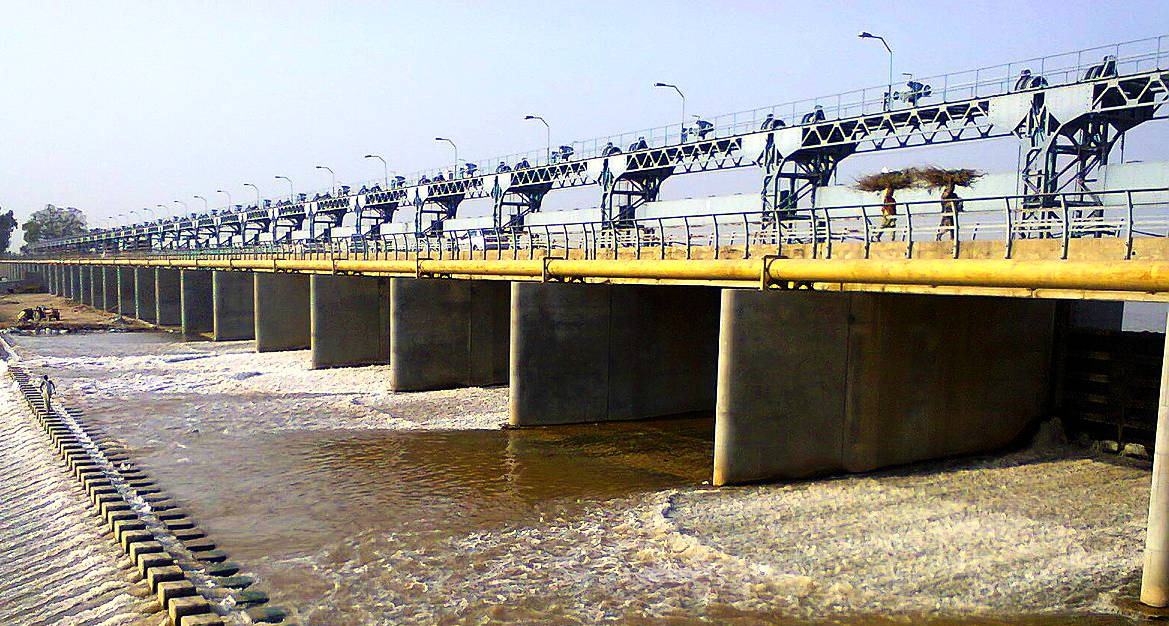
Sulemanki Headworks is located in the wider Okara region and represents the importance of irrigation engineering to the agricultural development of Punjab.
The headworks dates from the British colonial period, when large-scale irrigation projects were developed to control and distribute river water for agriculture. The site is also of interest to visitors who enjoy landscapes, rivers, canals and engineering heritage.
Okara City and Its Planned Layout
One interesting feature of Okara is the planned layout of the modern city. According to the official district history, the British developed the main city in six blocks with standardized houses and a carefully organized urban plan. :contentReference[oaicite:8]{index=8}
This makes Okara interesting for travelers studying the history of British canal-colony towns in Punjab.
Jinnah Park and Local City Life
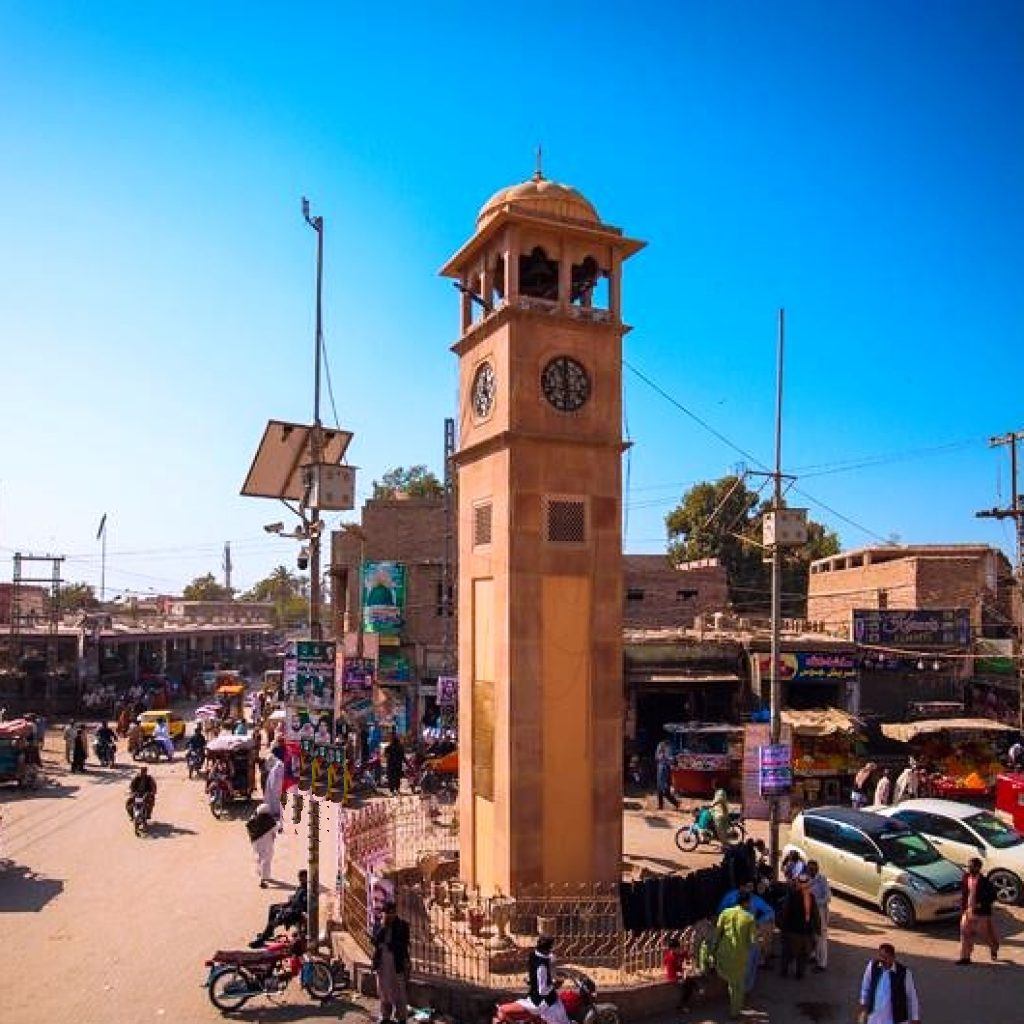
For a visitor spending time in Okara city, local parks and markets provide opportunities to observe contemporary Punjabi life. Jinnah Park is one of the city's recreational spaces.
The city's bazaars and food businesses are also worth exploring for travelers who want to experience everyday life away from the major tourist centers of Lahore and Islamabad.
Okara's Food and Dairy Tradition
Okara's agricultural environment has contributed to a strong tradition of dairy and farm products. The district is particularly associated with livestock and dairy farming.
Travelers should try traditional Punjabi dishes, fresh lassi, local sweets and seasonal agricultural products when visiting the region.
How to Travel to Okara from Lahore
Okara is approximately 120 kilometres from Lahore. The journey normally takes around 2 to 2.5 hours by road, depending on traffic and the exact starting point.
The Lahore–Multan road provides the principal connection between the two cities. The official Okara district website gives a distance of approximately 120 kilometres from Lahore. :contentReference[oaicite:9]{index=9}
How to Travel to Okara from Islamabad
Okara is approximately 400 kilometres from Islamabad by road. The journey generally takes around 5 to 6 hours, depending on the route and traffic.
Travelers can use the motorway network toward Lahore and then continue southwest toward Okara.
Distances to Okara
| Starting City | Approximate Road Distance | Approximate Travel Time |
|---|---|---|
| Lahore | 120 km | 2–2.5 hours |
| Islamabad | Approximately 400 km | 5–6 hours |
| Karachi | Approximately 1,100–1,200 km | 16–19 hours |
| Faisalabad | Approximately 130–150 km | 2.5–3 hours |
| Sahiwal | Approximately 40–45 km | 45–60 minutes |
| Renala Khurd | Approximately 15–20 km | 20–30 minutes |
| Kasur | Approximately 100–120 km | 2–2.5 hours |
Distances and journey times are approximate and depend on the route, traffic and road conditions.
Major Hotels in Okara
Okara has a selection of local hotels and guesthouses suitable for short stays. The accommodation choice is more limited than in Lahore or Islamabad, particularly for international travelers seeking higher-end facilities.
For travelers undertaking a longer Punjab heritage tour, Lahore or Sahiwal can sometimes provide more convenient accommodation depending on the itinerary.
Travel & Culture Services can arrange suitable hotels in Okara, Lahore, Sahiwal or other cities according to the itinerary and budget.
How to Explore Okara in One Day
A day in Okara can concentrate on the city's history and nearby heritage. A suggested itinerary is:
Morning – Okara City
Start with a short tour of central Okara, observing the planned layout of the old British-era city and visiting local markets.
Late Morning – Renala Khurd
Drive toward Renala Khurd and explore the area's agricultural landscape and historical association with canal irrigation and early hydroelectric development.
Afternoon – Satghara
Continue to Satghara to visit the historic tomb of Mir Chakar-i-Azam Rind.
Late Afternoon – Local Heritage
Depending on available time and road conditions, visit another nearby cultural or religious site, such as a shrine or historic structure.
Evening – Return to Okara
Return to Okara city for dinner or continue toward Lahore or Sahiwal depending on your itinerary.
Suggested Okara Heritage Day Tour
| Time | Suggested Activity |
|---|---|
| 08:00 | Departure from Lahore |
| 10:00 | Arrival in Okara |
| 10:15 | Okara city and planned colonial-era layout |
| 11:30 | Drive toward Renala Khurd |
| 12:00 | Renala Khurd and agricultural landscape |
| 13:00 | Lunch |
| 14:00 | Drive to Satghara |
| 15:00 | Visit Mir Chakar-i-Azam Rind's tomb |
| 16:30 | Optional local heritage visit |
| 17:30 | Return toward Lahore |
| 20:00 | Arrival in Lahore |
Okara as Part of a Punjab Heritage Tour
Okara becomes particularly interesting when included in a longer Punjab itinerary rather than visited in isolation.
One possible route is:
Lahore – Okara – Sahiwal – Harappa – Pakpattan – Multan
This route combines British canal-colony history, agricultural Punjab, the ancient Indus Valley civilization at Harappa and the important Sufi heritage of Pakpattan and Multan.
Another itinerary can combine Okara with Kasur and Lahore for travelers interested in Punjabi culture, food and history.
Best Time to Visit Okara
The cooler months from October to March are generally the most comfortable for sightseeing around Okara and its surrounding villages.
Spring is also attractive because of the green agricultural landscape and pleasant temperatures.
Summer can be very hot, so travelers should schedule outdoor sightseeing during the morning and late afternoon.
Travel Tips for Okara
- Okara is primarily an agricultural and commercial city rather than a conventional tourist destination.
- Combine Okara with Satghara, Renala Khurd and other district heritage sites.
- Private transportation is recommended for exploring the wider district.
- Carry water during summer sightseeing.
- Dress respectfully when visiting shrines and religious sites.
- Ask permission before photographing people or sensitive locations.
- Check access arrangements before visiting religious or security-sensitive sites.
Tour and Travel Arrangements in Okara
Travel & Culture Services can arrange private transportation, hotels, guides and customized tours to Okara and other destinations throughout Punjab.
We can arrange an Okara heritage tour from Lahore covering the city's history, Renala Khurd, Satghara and the tomb of Mir Chakar-i-Azam Rind.
Okara can also be incorporated into longer cultural itineraries covering Lahore, Kasur, Harappa, Sahiwal, Pakpattan, Multan and Bahawalpur.
For any help or arrangement for tours in Okara, Punjab or anywhere in Pakistan, please contact Travel & Culture Services.
Frequently Asked Questions About Okara
What is Okara famous for?
Okara is known for its fertile agricultural region, dairy farming, canal-colony history and nearby historical and cultural sites including Satghara, the tomb of Mir Chakar-i-Azam Rind, Renala Khurd, Bhuman Shah, Hujra Shah Muqeem and Sulemanki Headworks.
How far is Okara from Lahore?
Okara is approximately 120 kilometres from Lahore by road and normally takes around two to two and a half hours, depending on traffic and the route.
How far is Okara from Islamabad?
Okara is approximately 400 kilometres from Islamabad by road and normally takes around five to six hours.
What are the main attractions near Okara?
Important attractions include the tomb of Mir Chakar-i-Azam Rind at Satghara, Renala Khurd, Gurdwara Bhuman Shah, Hujra Shah Muqeem and Sulemanki Headworks.
Who was Mir Chakar-i-Azam Rind?
Mir Chakar-i-Azam Rind was a prominent Baloch chieftain of the sixteenth century who spent his later years at Satghara. His historic tomb is one of the important heritage monuments of Okara District.
Can Okara be visited as a day trip from Lahore?
Yes. Okara can be visited as a long day trip from Lahore. Travelers interested in several district heritage sites may prefer to spend one night in the area.
What is Okara's connection with agriculture?
Okara's modern development was strongly influenced by British-era canal irrigation, which transformed the surrounding area into productive agricultural land. Agriculture and livestock remain central to the district's economy.
Can Travel & Culture arrange an Okara tour?
Yes. Travel & Culture Services can arrange private transportation, guides, hotels and customized cultural tours to Okara and other destinations throughout Punjab and Pakistan.

Advertisement
Advertise on this site click for advertising rates