

Pakpattan Pakistan Travel Guide – Baba Farid, Ajodhan and the City of Saints
Pakpattan, in Punjab province of Pakistan, is one of the country's most important historic and Sufi pilgrimage cities. Known especially for the shrine of the great Chishti Sufi saint Baba Farid-ud-Din Masud Ganj Shakar, Pakpattan attracts pilgrims and visitors from across Pakistan and from other parts of South Asia.
The city has a history going back many centuries. Its ancient name was Ajodhan, and its location near the River Sutlej made it an important settlement and crossing point on the historic routes between Delhi and Multan.
For travelers, Pakpattan offers something different from the grand Mughal monuments of Lahore or the archaeological ruins of southern Punjab. Its attraction lies in its Sufi heritage, old streets, shrines, traditional bazaars, religious traditions and living culture.
Where is Pakpattan?
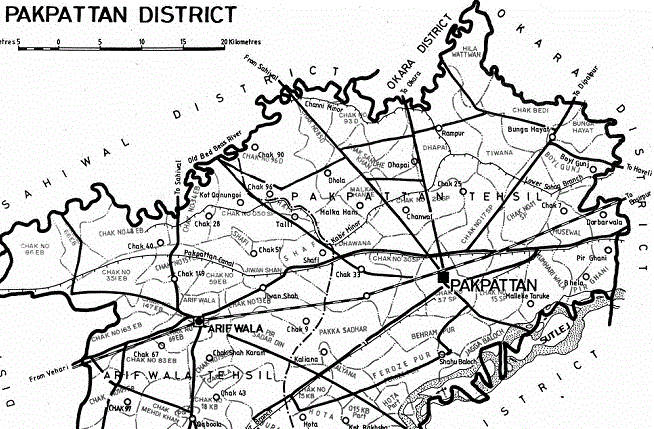
Pakpattan is the headquarters of Pakpattan District in Punjab. It is situated near the northern bank of the River Sutlej, in the Neeli Bar region of Punjab. The district is bordered by Okara, Sahiwal and Vehari, while the Sutlej forms its southern boundary. :contentReference[oaicite:0]{index=0}
The city is also relatively close to the India-Pakistan border, with the district administration describing it as roughly 40 kilometres from the border. :contentReference[oaicite:1]{index=1}
A Brief History of Pakpattan
Pakpattan has a remarkably long history. The ancient city was known as Ajodhan and occupied an important position on routes linking the great cities and political centres of northern and southern Punjab.
The official history of Pakpattan describes the old settlement as having developed on a large mound known as Dhaki. The old city retained much of its historic urban character, including narrow streets, traditional houses, woodwork, old gates and remnants of its defensive walls. :contentReference[oaicite:2]{index=2}
The city was an important crossing point of the Sutlej River and a stopping place on the historic road between Delhi and Multan. The famous Delhi-Multan road associated with Sher Shah Suri passed through this region. :contentReference[oaicite:3]{index=3}
Pakpattan was also visited by the famous Moroccan traveler Ibn Battuta in the 14th century. The city's strategic location meant that it played a role in the military and political history of Punjab. :contentReference[oaicite:4]{index=4}
Ajodhan – The Ancient Name of Pakpattan
Before it became known as Pakpattan, the city was called Ajodhan. The old name is important when researching the history of the city because medieval historical sources frequently refer to Ajodhan rather than Pakpattan.
The official district history also records other ancient names associated with the settlement and notes its appearance in classical historical accounts. :contentReference[oaicite:5]{index=5}
The transformation from Ajodhan into Pakpattan is closely connected with the arrival and influence of Baba Farid, whose spiritual legacy eventually made the city one of the most important Sufi centres of the Indian subcontinent.

Baba Farid-ud-Din Ganj Shakar
The history and identity of modern Pakpattan cannot be separated from Hazrat Baba Farid-ud-Din Masud Ganj Shakar, one of the great figures of the Chishti Sufi tradition.
Baba Farid lived in the 12th and 13th centuries and eventually settled in Ajodhan, where he spent much of his life teaching and preaching. The Punjab Auqaf Department identifies him as one of the founding figures of the Chishti Sufi order. :contentReference[oaicite:6]{index=6}
Baba Farid died in 1265 CE and was buried at Pakpattan. His shrine subsequently became an important centre of pilgrimage and spiritual activity. :contentReference[oaicite:7]{index=7}
The influence of Baba Farid extended far beyond Pakpattan. His spiritual lineage became one of the most influential branches of the Chishti tradition in South Asia, and later Sufi masters maintained strong connections with his teachings.
Shrine of Baba Farid
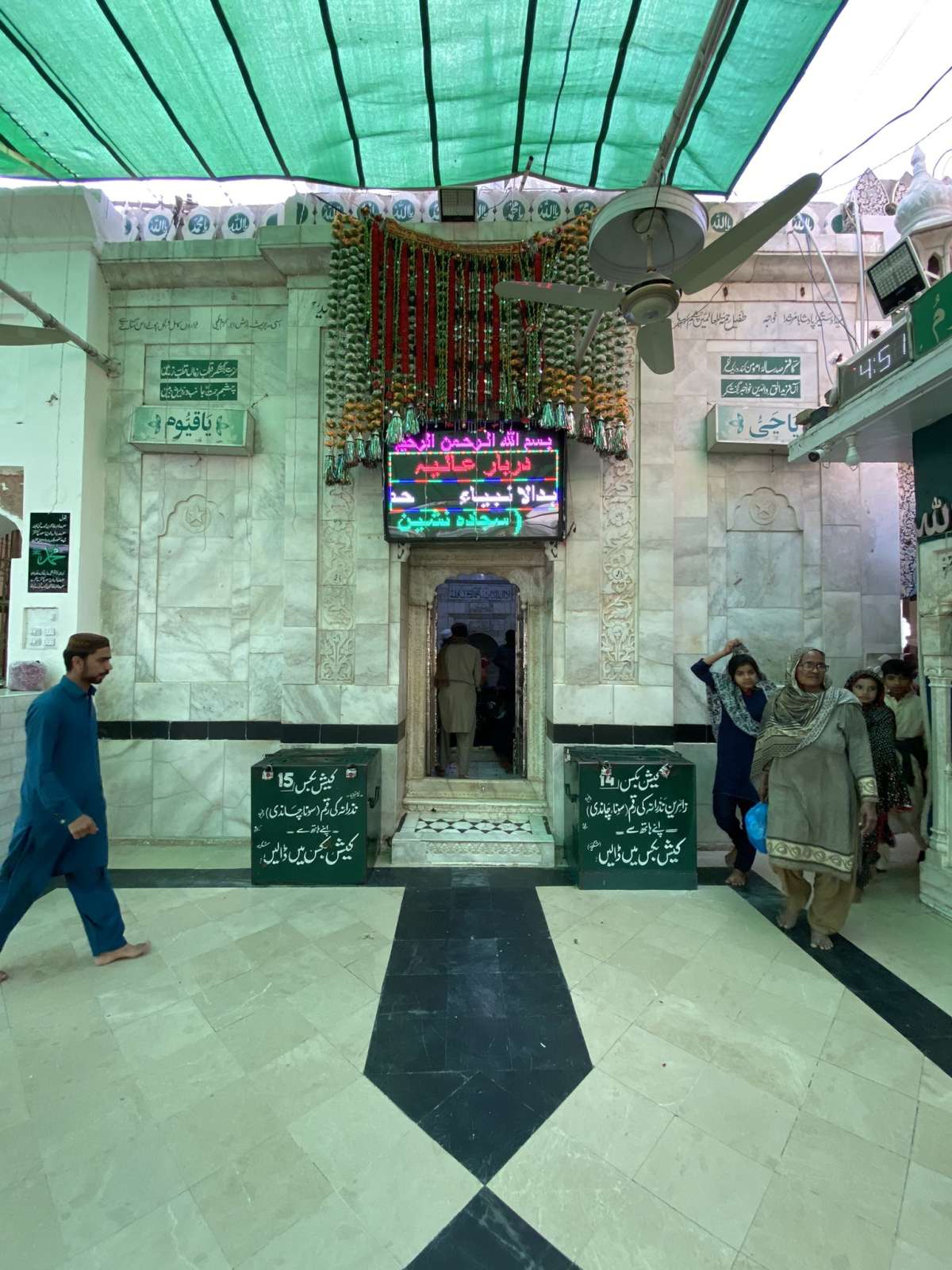
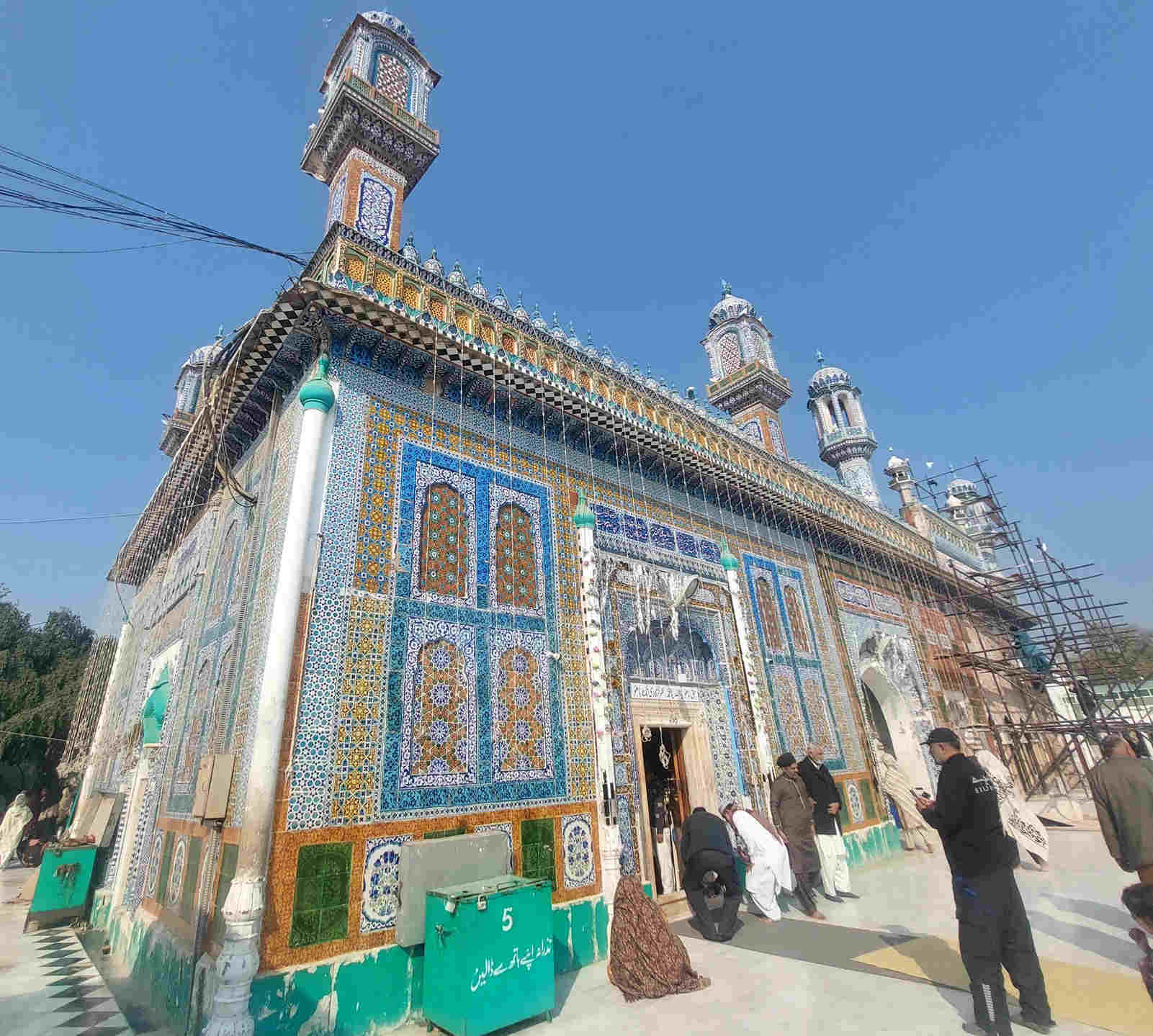
The shrine of Baba Farid is the principal attraction of Pakpattan and the spiritual heart of the city.
The shrine complex contains the tomb of Baba Farid and is visited throughout the year by devotees. The Punjab government's religious monuments information describes the shrine as one of the important Sufi pilgrimage sites of Punjab. :contentReference[oaicite:8]{index=8}
The shrine has two famous doors, including the Nuri Darwaza and the celebrated Bahishti Darwaza, or Gate of Paradise.
Visitors should remember that this is an active religious site rather than simply a historical monument. Appropriate dress and respectful behaviour are essential.
Bahishti Darwaza – The Gate of Paradise
One of the most famous traditions of Pakpattan is associated with the Bahishti Darwaza, meaning the Gate of Paradise.
The gate is opened during the annual Urs of Baba Farid, attracting huge numbers of pilgrims. The Punjab government notes that the Urs is a major event and that the gate is a central part of the pilgrimage tradition. :contentReference[oaicite:9]{index=9}
During the Urs period, Pakpattan changes dramatically. Streets around the shrine become crowded with pilgrims, food stalls, religious gatherings, devotional music and temporary markets.
For travelers interested in religious and cultural tourism, witnessing Pakpattan during the Urs provides an extraordinary insight into the living Sufi traditions of Punjab. However, the city can become extremely crowded during this period and accommodation and transport should be arranged well in advance.

Pakpattan Old City
The old city is one of Pakpattan's most interesting features for travelers who enjoy historic urban environments.
The original settlement developed on a raised mound and retained sections of its old defensive character. According to the district's official history, several of the historic gates have survived, although they are in deteriorating condition. :contentReference[oaicite:10]{index=10}
The narrow streets, traditional houses, wooden balconies, old facades and remnants of the city wall create an atmosphere very different from modern Pakistani cities.
The old city is best explored on foot, especially in the early morning or late afternoon when the streets are less crowded.
Historic Gates
Four historic gates are reported to survive from the original group of six gates. These include Shahedi Gate, Rehimun Gate, Abu Gate and Mori Gate. :contentReference[oaicite:11]{index=11}

Kacha Burj
Kacha Burj is a surviving defensive feature associated with the old city. The official history of Pakpattan associates the defensive tower with Haibat Khan during the period of Sher Shah Suri. :contentReference[oaicite:12]{index=12}
Although it is not comparable in scale with the great forts of Lahore or Derawar, such remains help explain why Pakpattan was once strategically important.
Malka Hans and Waris Shah
One of the most interesting excursions from Pakpattan is to nearby Malka Hans, traditionally associated with the great Punjabi poet Waris Shah.
Waris Shah is best known for his masterpiece Heer, one of the great works of Punjabi literature.
The official history of Pakpattan notes the traditional association of Malka Hans with Waris Shah and his writing of Heer. :contentReference[oaicite:13]{index=13}
For visitors interested in Punjabi literature, Malka Hans provides an opportunity to connect the landscapes of Punjab with one of the region's greatest literary traditions.

Pakpattan and the Sutlej River
The River Sutlej has played a major role in the history and geography of Pakpattan.
The ancient settlement grew partly because of its position near an important river crossing. Travelers and armies moving between Delhi and Multan used routes through this area for centuries.
The relationship between the river and the city is also reflected in the traditional explanation of the name Pakpattan, which is associated with the words Pak and Pattan.
Pakpattan and Sikh Heritage
Pakpattan also has significance for Sikh visitors. The official district history records the association of Guru Nanak with the shrine and notes the reverence shown toward Baba Farid by Sikh tradition. :contentReference[oaicite:14]{index=14}
This connection is particularly interesting because Baba Farid's verses were later included in the Guru Granth Sahib, giving his spiritual and poetic legacy an importance extending across religious communities.
For this reason, Pakpattan can be included in wider itineraries focusing on the Sufi, Sikh and shared cultural heritage of Punjab.
Pakpattan as a Sufi Tourism Destination
For international visitors interested in Sufism, Pakpattan is one of the most important destinations in Pakistan.
The city is not simply the location of an old tomb. It is a living centre of devotional culture where pilgrims continue traditions that have developed over many centuries.
Visitors can observe devotional gatherings, qawwali, the distribution of food, traditional markets around the shrine and the everyday interaction between pilgrims and local residents.

How to Get to Pakpattan from Lahore
Pakpattan is approximately 200 kilometres from Lahore by road, depending on the route.
The journey normally takes around 3½ to 4½ hours, depending on traffic and road conditions.
A convenient route passes through the central Punjab road network toward Okara and Sahiwal before continuing south toward Pakpattan.
Pakpattan makes a very good excursion from Lahore for travelers interested in Sufi heritage, Punjabi culture and historical towns.
How to Get to Pakpattan from Islamabad
Pakpattan is approximately 450 kilometres from Islamabad by road, depending on the route.
The journey can take approximately 6 to 7 hours.
Travelers from Islamabad can combine Pakpattan with Lahore, Taxila, Sahiwal or Multan depending on their overall itinerary.
How to Get to Pakpattan from Karachi
Pakpattan is approximately 850 to 900 kilometres from Karachi by road, depending on the selected route.
For visitors arriving in Karachi, it is generally more practical to include Pakpattan as part of a longer Pakistan itinerary rather than making it a separate journey.
A southern route can include Sukkur, Multan, Pakpattan, Lahore and other Punjab heritage destinations.
Distance to Pakpattan from Major Cities
| Starting City | Approximate Road Distance | Approximate Travel Time |
|---|---|---|
| Lahore | About 200 km | 3½–4½ hours |
| Islamabad | About 450 km | 6–7 hours |
| Karachi | About 850–900 km | 11–13 hours |
| Multan | About 180 km | 3 hours |
| Sahiwal | About 50 km | 1 hour |
| Okara | About 80 km | 1½ hours |
| Arifwala | About 25 km | 30–40 minutes |
Distances and travel times are approximate and should be treated as itinerary-planning figures rather than exact navigation measurements.
Hotels in Pakpattan
Pakpattan has local hotels and guesthouses, but the accommodation choice is considerably more limited than in Lahore, Multan or Sahiwal.
For travelers making a short pilgrimage or cultural visit, a local hotel can be sufficient. For international visitors looking for a higher standard of accommodation, it may be more convenient to stay in Sahiwal or Lahore and visit Pakpattan as part of a day excursion.
Accommodation should be booked in advance during the annual Urs of Baba Farid, when large numbers of pilgrims visit the city.

Where to Stay Near Pakpattan
Depending on the itinerary, travelers may consider accommodation in the following cities:
- Pakpattan – best for experiencing the shrine and old city.
- Sahiwal – greater choice of hotels and restaurants.
- Okara – useful for travelers approaching from Lahore.
- Multan – excellent option for a wider Sufi heritage tour.
- Lahore – best choice for international travelers seeking a large selection of hotels.
How to Explore Pakpattan in One Day
Pakpattan can be explored comfortably in one full day, although travelers interested in Sufi culture may want to spend the night to experience the city after sunset.
08:00 – Arrival and Breakfast
Begin the day with breakfast and then proceed toward the old city.
09:00 – Old City of Pakpattan
Walk through the historic part of the city and observe the old streets, traditional houses and surviving sections of the historic gates.
10:30 – Baba Farid Shrine
Visit the shrine complex of Baba Farid and learn about the saint's role in the development of the Chishti Sufi tradition.
12:00 – Bahishti Darwaza
See the famous Bahishti Darwaza and other important features of the shrine complex.
13:00 – Lunch
Enjoy a traditional Punjabi meal near the old city.
14:30 – Local Bazaar
Explore the traditional market streets around the shrine, where visitors can see religious items, sweets, bangles, flowers and other local products.
16:00 – Malka Hans
If time permits, drive toward nearby Malka Hans and explore the area associated with Waris Shah and Punjabi literary heritage.
18:00 – Return to Pakpattan
Return to Pakpattan and, if desired, spend the evening around the shrine before departing for Sahiwal or Lahore.
Suggested One-Day Pakpattan Itinerary
| Time | Activity |
|---|---|
| 08:00 | Breakfast and begin sightseeing |
| 09:00 | Old city and historic gates |
| 10:30 | Baba Farid Shrine |
| 12:00 | Bahishti Darwaza and shrine complex |
| 13:00 | Lunch |
| 14:30 | Traditional bazaar |
| 16:00 | Excursion to Malka Hans |
| 18:00 | Return to Pakpattan |
Best Time to Visit Pakpattan
The cooler months from October to March are generally the most comfortable for sightseeing in Pakpattan.
Winter is particularly pleasant for walking through the old city and visiting nearby historical sites.
The annual Urs of Baba Farid is the most important religious event in the city. Visitors interested in experiencing the pilgrimage atmosphere should plan carefully because accommodation, roads and the shrine area can become extremely crowded.
Pakpattan During the Urs of Baba Farid
The annual Urs transforms Pakpattan into a major pilgrimage centre.
Large numbers of devotees arrive from different parts of Pakistan and abroad. Religious ceremonies, devotional music, food distribution and temporary markets surround the shrine.
The official Punjab government information states that the Urs attracts very large numbers of visitors, while the shrine's Bahishti Darwaza becomes a central focus of the pilgrimage. :contentReference[oaicite:15]{index=15}
If you plan to visit during the Urs, arrangements should be made well in advance and visitors should be prepared for very crowded conditions.
Pakpattan Food and Local Culture
The food of Pakpattan reflects the wider culinary traditions of central and southern Punjab.
Visitors can try traditional Punjabi breads, curries, grilled meats, rice dishes, sweets and local snacks.
The streets surrounding the Baba Farid shrine are particularly lively, with shops selling sweets, flowers, bangles, religious items and food for devotees.
The official district history describes the area around the shrine as a thriving commercial environment with food, sweets and other goods sold to pilgrims. :contentReference[oaicite:16]{index=16}
Agriculture Around Pakpattan
Pakpattan District has fertile agricultural land and agriculture remains an important part of the local economy.
Major crops include wheat, rice, cotton, maize and sugarcane, while mangoes, guavas, carrots, potatoes, oranges and other fruits and vegetables are also produced in the district. :contentReference[oaicite:17]{index=17}
Visitors traveling outside the city can therefore see a very different landscape from the historic urban centre, with irrigated farmland and villages stretching across the countryside.
Nearby Places to Visit from Pakpattan
- Malka Hans – associated with Punjabi poet Waris Shah.
- Sahiwal – an important city and transport centre.
- Harappa – famous archaeological site of the Indus Valley Civilization.
- Okara – historic and agricultural city east of Pakpattan.
- Arifwala – another important town in Pakpattan District.
- Multan – major centre of Sufi heritage and historic shrines.
- Lahore – major Mughal and Sikh heritage city.
Pakpattan and Harappa
Pakpattan can be combined particularly well with a visit to Harappa.
Harappa is one of the most important archaeological sites of the Indus Valley Civilization and is located in the wider Sahiwal region.
A cultural itinerary can therefore combine two very different periods of Punjab's history: the Bronze Age civilization of Harappa and the medieval Sufi heritage of Pakpattan.
Suggested Pakpattan and Harappa Tour
Day 1: Lahore → Harappa → Pakpattan → Baba Farid Shrine → Overnight in Pakpattan or Sahiwal.
Day 2: Old Pakpattan → Malka Hans → Sahiwal → Lahore.
This combination is particularly suitable for travelers interested in archaeology, Sufi heritage and Punjabi culture.
Pakpattan for International Visitors
For foreign visitors, Pakpattan offers an opportunity to experience a side of Pakistan that is rarely encountered on conventional sightseeing tours.
The city is a living pilgrimage centre rather than a museum. The sounds, markets, devotional traditions and daily activities around the shrine provide an authentic cultural experience.
Visitors should be particularly respectful when entering the shrine complex and should follow local instructions regarding photography, dress and access to religious areas.
Photography in Pakpattan
Pakpattan offers excellent opportunities for cultural photography, particularly around the old city, traditional houses, historic gates, markets and the wider countryside.
The shrine area is also visually interesting, but photographers should always respect religious practices and ask permission before photographing individual devotees.
Travel Tips for Pakpattan
- Dress modestly when visiting the Baba Farid shrine.
- Remove shoes where required.
- Ask permission before photographing devotees.
- Expect very large crowds during the annual Urs.
- Keep valuables secure in crowded shrine areas.
- Start your old-city walk early in the day.
- Arrange accommodation in advance during major religious events.
- Combine Pakpattan with Harappa, Sahiwal or Lahore for a richer cultural itinerary.
- Hire a local guide if you want detailed information about the Sufi history of the city.
Why Visit Pakpattan?
Pakpattan is one of the most rewarding destinations in Punjab for travelers interested in history, Sufism, literature and living culture.
Its ancient identity as Ajodhan, its strategic location on the old Delhi-Multan route, the legacy of Baba Farid, the historic old city and its association with Waris Shah make it far more than a pilgrimage destination.
For anyone wanting to understand the spiritual and cultural history of Punjab, Pakpattan deserves a place on the itinerary.
Suggested Pakistan Tours Including Pakpattan
3-Day Punjab Heritage Tour:
Lahore → Harappa → Pakpattan → Sahiwal → Lahore
5-Day Sufi Heritage Tour:
Lahore → Pakpattan → Multan → Uch Sharif → Bahawalpur
7-Day Punjab Cultural Tour:
Lahore → Harappa → Pakpattan → Multan → Uch Sharif → Bahawalpur → Cholistan
Tour and Travel Arrangements in Pakpattan
Travel & Culture Services can arrange private transportation, hotels, guides and customized cultural and religious tours to Pakpattan.
We can arrange visits to the Baba Farid shrine, old city, Malka Hans, Harappa and other cultural destinations of Punjab, as well as longer Sufi heritage tours covering Multan, Uch Sharif and Bahawalpur.
Tours can be arranged from Lahore, Islamabad, Karachi or other cities of Pakistan.
For any help or arrangement for tours in Pakpattan, Punjab or anywhere in Pakistan, please contact Travel & Culture Services.
Frequently Asked Questions About Pakpattan
Where is Pakpattan?
Pakpattan is a historic city and district headquarters in Punjab, Pakistan, situated near the River Sutlej.
What was Pakpattan's old name?
The ancient name of Pakpattan was Ajodhan. The city became closely associated with Baba Farid and subsequently became known as Pakpattan.
Who was Baba Farid?
Baba Farid-ud-Din Masud Ganj Shakar was a major 12th-13th century Sufi saint and one of the foundational figures of the Chishti tradition in South Asia. His shrine is in Pakpattan. :contentReference[oaicite:18]{index=18}
What is Pakpattan famous for?
Pakpattan is famous primarily for the shrine of Baba Farid, its Sufi heritage, ancient history and old city.
What is Bahishti Darwaza?
Bahishti Darwaza, or Gate of Paradise, is the famous gate of the Baba Farid shrine that becomes a major focus of pilgrimage during the annual Urs.
Can tourists visit the Baba Farid shrine?
Yes. Visitors can visit the shrine, but it is an active religious site and travelers should dress modestly and behave respectfully.
What is Malka Hans famous for?
Malka Hans is traditionally associated with Waris Shah, the celebrated Punjabi poet who wrote the famous epic Heer. :contentReference[oaicite:19]{index=19}
How far is Pakpattan from Lahore?
Pakpattan is approximately 200 kilometres from Lahore by road, depending on the route.
How far is Pakpattan from Islamabad?
Pakpattan is approximately 450 kilometres from Islamabad by road, depending on the route.
How far is Pakpattan from Karachi?
Pakpattan is approximately 850–900 kilometres from Karachi by road, depending on the route.
Can Pakpattan be visited with Harappa?
Yes. Pakpattan and Harappa make an excellent combination for travelers interested in the archaeology, history and spiritual heritage of Punjab.
Can Travel & Culture arrange a Pakpattan tour?
Yes. Travel & Culture Services can arrange transportation, hotels, guides and customized tours to Pakpattan, Baba Farid shrine, Malka Hans, Harappa and other destinations in Pakistan.

Advertisement
Advertise on this site click for advertising rates